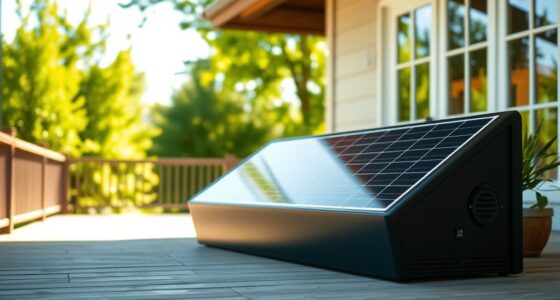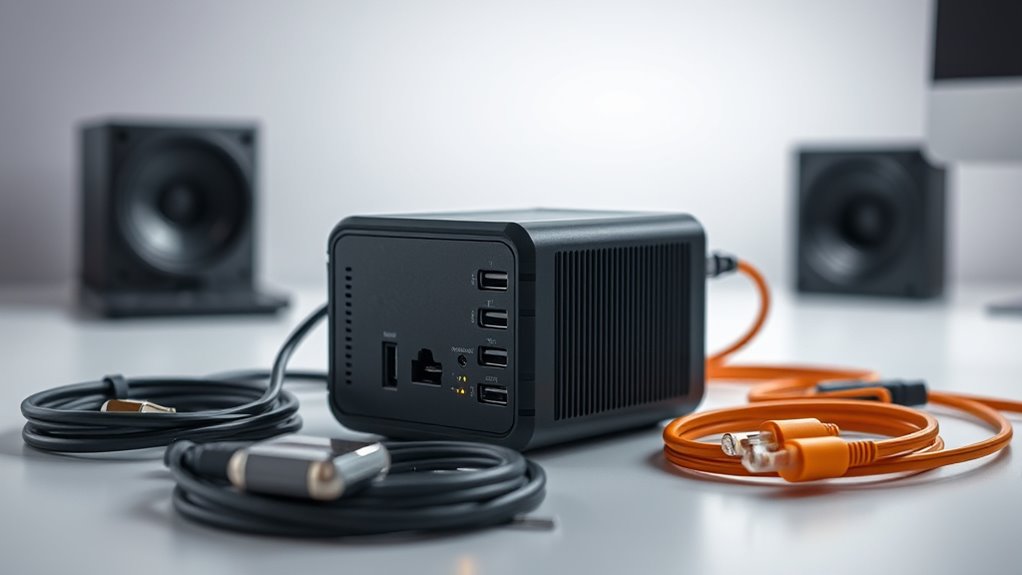

A battery backup kit can protect a computer for a short outage, keep a sump pump running, or supply much larger home loads, but those jobs call for very different equipment. My best overall pick is the CyberPower CP1500AVRLCD3 for practical, clearly monitored backup for computers and electronics. For longer household outages, the ECO-WORTHY 48V 10KW system with a 10,240Wh battery stands out, while the 2500W sump pump system targets basement flood protection specifically. The main tradeoffs are runtime, output capacity, portability, and installation complexity; a small UPS is not a substitute for a home power system. Read on for how all 14 options compare and which kind of backup fits your needs.

Get backup power and energy gear delivered free with Prime
- Fast, free delivery on millions of items
- Prime Video, Amazon Music and more included
- Member-only deals all year
Key Takeaways
- Backup scale changes the choice: the lineup ranges from compact UPS units for individual electronics to ECO-WORTHY systems built for substantially larger household loads.
- The CP1500AVRLCD3 is the strongest everyday computer pick: its LCD status display and AVR suit planned shutdowns and short interruptions better than a basic standby UPS.
- Longer outage coverage favors capacity, not just inverter wattage: ECO-WORTHY‘s 10,240Wh and 30,720Wh systems offer very different stored-energy reserves, but the larger system brings more installation and planning demands.
- Specialized needs can outweigh broad versatility: the 2500W sump pump system is aimed at flood protection, while the Von Duprin PS914-BBK is for compatible access-control power applications, not general home backup.
- Solar-ready portability is its own category: the BLUETTI Elite 300 and Marbero unit include solar panels, while the Jackery Explorer 300 is a smaller portable option and is listed as renewed.




| battery backup kit | Output voltage | Weight |
|---|---|---|
| ECO-WORTHY 48V Home Backup Pow | 120V | — |
| APC BE425M UPS Battery Backup | 120V | 5.7 pounds |
| CyberPower CP1500AVRLCD3 Intel | 120V | 23.8 pounds |
| ECO-WORTHY 48V Home Backup Pow | 120V | 130 pounds |
| CyberPower ST425 Standby UPS B | 120V | — |
| 2500W Sump Pump Battery Backup | 120V | 10.9 pounds |
| Jackery Portable Power Station | — | 7.1 pounds |
| CyberPower EC850LCD Ecologic U | — | — |
| BLUETTI Solar Generator Elite | — | 58 pounds |
| Marbero 237Wh Solar Generator | — | Not specified |
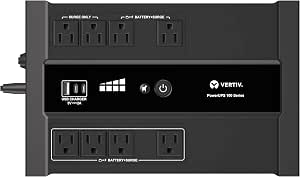
| Vertiv Liebert PowerUPS 100 PS | 120V | 9.5 pounds |
| Von Duprin PS914-BBK Power Sup | 12/24VDC, field selectable | — |
| APC BX1500M UPS Battery Backup | — | — |
| ECO-WORTHY 48V Home Backup Pow | 120V | — |
More Details on Our Top Picks
ECO-WORTHY 48V Home Backup Power Station with 10240Wh Battery and 10KW Inverter
For buyers who need a large home battery backup kit, this ECO-WORTHY pairs two 51.2V 100Ah LiFePO4 batteries with a 10,000W pure sine wave inverter. Its 10,240Wh capacity and stated support for parallel expansion up to 60kW put it in a different class from compact UPS units such as the CyberPower CP1500AVRLCD3, which is meant to bridge short interruptions for electronics, not run household loads. Bluetooth and WiFi monitoring add visibility into system status, while the listed UL1973 and UL1741 certifications offer useful safety context. The tradeoff is installation complexity: this is a substantial system, not a plug-in desktop backup, and its components may arrive in separate shipments. I would skip it if I needed an easy setup or backup only for a router and computer.
Pros:- 10,240Wh battery capacity supports longer backup needs than small-electronics UPS units.
- 10,000W pure sine wave inverter provides substantial output for home backup applications.
- Supports parallel expansion up to 60kW, allowing a larger system to be built.
- Bluetooth and WiFi monitoring plus listed UL1973 and UL1741 certifications.
Cons:- Complex setup may call for experienced installation rather than a simple outlet connection.
- Battery and inverter components may ship separately, complicating delivery and setup.
- Its scale is excessive for buyers seeking backup for only a modem, router, or computer.
Best for: Homeowners planning a high-capacity backup system for multiple household loads who can manage a complex installation.
Not ideal for: Apartment residents, beginners seeking a plug-and-play UPS, or anyone who only needs short-term power for low-wattage electronics.
- Battery capacity:10,240Wh
- Battery configuration:Two 51.2V 100Ah LiFePO4 batteries
- Inverter output:10,000W pure sine wave
- Output voltage:120V
- Power source:Solar and battery powered
- Expansion:Parallel expansion up to 60kW
- Monitoring:Bluetooth and WiFi
- Dimensions:20.55 x 17.13 x 5.63 inches
Our verdict“Choose this system for substantial, expandable home backup if you are prepared for a multi-component installation.”
APC BE425M UPS Battery Backup and Surge Protector for Small Electronics
The APC BE425M is a small, focused battery backup kit for keeping a router, modem, or VoIP phone running through a brief outage. Its six outlets combine backup and surge protection, and the compact, wall-mountable form suits a crowded desk or utility area. The key limitation is its 255W maximum power: unlike the CyberPower CP1500AVRLCD3, it is not aimed at supporting a computer-and-monitor setup or several higher-draw devices. APC lists about 15 minutes of runtime at a 100W load, enough for a short interruption or orderly response, not extended outage coverage. I’d choose this over a larger UPS when space and low-power networking are the priority, but skip it if you need meaningful runtime for a desktop computer or household equipment.
Pros:- Compact, wall-mountable design fits small work areas.
- Six outlets provide both battery backup and surge protection.
- About 15 minutes of runtime at a 100W load can cover short interruptions.
- Wiring fault indicator helps flag a potential outlet issue.
Cons:- 255W maximum power limits it to low-power electronics.
- Listed runtime is short and varies with the connected load.
- Battery average life is listed at three years, so replacement may eventually be needed.
Best for: People who want brief battery coverage for a modem, router, or VoIP phone in a small home office.
Not ideal for: Desktop computer users, buyers with high-power equipment, or households needing backup through a prolonged outage.
- Maximum power:255W
- Runtime:15 minutes at 100W
- Outlets:6
- Output voltage:120V
- Amperage:6A
- Battery charge time:8 hours
- Form factor:Compact
- Weight:5.7 pounds
Our verdict“Pick the BE425M for space-saving, short-duration backup of networking gear, not for a computer or large load.”
CyberPower CP1500AVRLCD3 Intelligent LCD UPS Battery Backup
Among the smaller electronics-focused options here, the CyberPower CP1500AVRLCD3 offers the most headroom, with 900W output across 12 outlets. That makes it a better fit than the APC BE425M for a computer workstation or entertainment setup with several connected devices. Automatic voltage regulation can correct some power fluctuations without switching to battery, while the color LCD makes operating status easier to check. This remains a short-duration UPS, not a household battery bank: the listed runtime is three minutes, and the product data does not specify the load for that figure, so I would not plan around extended backup. At 23.8 pounds, it is also much less convenient to move than the compact APC. Choose it for equipment protection and a brief window to save work or shut down.
Pros:- 900W maximum output gives it more capacity than the APC BE425M and CyberPower ST425.
- 12 outlets accommodate a broader computer or entertainment setup.
- Automatic voltage regulation addresses some voltage fluctuations without using battery backup.
- Color LCD provides at-a-glance system status; product data lists a three-year warranty.
Cons:- Listed runtime is only three minutes, with no load specified in the provided data.
- At 23.8 pounds, it is considerably heavier than compact UPS alternatives.
- Its capacity is for electronics, not whole-home or appliance backup.
Best for: Computer and home-office users who need several protected outlets, voltage regulation, and time for a safe shutdown.
Not ideal for: Buyers seeking long outage runtime, lightweight portability, or backup for high-demand household appliances.
- Capacity:1500VA / 900W
- Outlets:12
- Output voltage:120V
- Output current:7.5A
- Runtime:3 minutes (load not specified)
- Features:Automatic voltage regulation and color LCD
- Weight:23.8 pounds
- Warranty:3 years
Our verdict“Choose the CP1500AVRLCD3 for a multi-device computer setup that needs power conditioning and a short shutdown window.”
ECO-WORTHY 48V Home Backup Power Station with 5120Wh LiFePO4 Battery and 5000W Inverter
This ECO-WORTHY is the more measured choice for buyers who want a rack-style home backup kit but do not need the 10,240Wh and 10,000W configuration of its larger sibling. Its 5,120Wh LiFePO4 battery and 5,000W pure sine wave inverter offer substantial capacity for a home system, while the listed support for expansion leaves room to add components later. Compared with the APC BE425M, this is a fixed-installation system rather than a compact backup for networking gear; compared with the larger ECO-WORTHY, it starts with half the listed battery capacity and inverter output. The tradeoff is physical and practical: the unit weighs 130 pounds, and a complete system involves multiple components. The listed two-hour runtime lacks a stated load, so I would not treat it as a guaranteed duration.
Pros:- 5,120Wh LiFePO4 battery offers far more stored energy than compact UPS units.
- 5,000W pure sine wave inverter supports substantial home backup loads.
- Expandable system can accommodate additional inverters and batteries.
- Rack form and listed UL and CEC standards suit planned system installations.
Cons:- 130-pound weight makes handling and placement difficult.
- A complete setup requires multiple components and more planning than a plug-in UPS.
- The stated two-hour runtime does not specify the connected load.
Best for: Homeowners who want a rack-based, expandable backup system with substantial inverter output but less initial capacity than the 10kW ECO-WORTHY.
Not ideal for: Renters, buyers needing a lightweight portable unit, or anyone seeking a simple UPS for a router or desktop.
- Battery capacity:5,120Wh
- Battery:51.2V 100Ah LiFePO4
- Inverter output:5,000W pure sine wave
- Maximum power:5,000W
- Output voltage:120V
- Form factor:Rack
- Weight:130 pounds
- Dimensions:22.09 x 19.02 x 5.63 inches
Our verdict“Choose this model for expandable, rack-based home backup when the larger 10kW system is more capacity than you need.”
CyberPower ST425 Standby UPS Battery Backup and Surge Protector
The CyberPower ST425 keeps the job simple: it provides 260W of backup capacity and eight outlets for low-power home or office electronics. That outlet count is useful when several small devices share a workspace, though it does not increase the amount of power the unit can deliver. Compared with the APC BE425M, the ST425 offers two more outlets, while the APC lists 15 minutes at a 100W load; the ST425’s supplied runtime is only one minute, with no load stated. It is also far below the CyberPower CP1500AVRLCD3 in output, making it a better match for routers and basic electronics than a more demanding computer arrangement. Its compact design, UL certification, and three-year warranty support straightforward use, but the lead-acid battery and short listed runtime limit its appeal for longer outages.
Pros:- Eight outlets accommodate multiple small electronics.
- 260W output suits low-power backup needs.
- Compact enclosure fits home and office spaces.
- UL certification and a three-year warranty are listed.
Cons:- Listed runtime is one minute, with no load specified.
- 260W capacity is too limited for many higher-demand computer setups.
- Lead-acid battery will require eventual replacement.
Best for: Home or small-office users who want a basic, compact UPS for several low-power devices and surge protection.
Not ideal for: Buyers needing extended runtime, higher-wattage computer backup, or a battery chemistry other than lead acid.
- Capacity:425VA / 260W
- Outlets:8
- Output voltage:120V
- Output current:2.17A
- Runtime:1 minute (load not specified)
- Battery type:Lead acid
- Form factor:Compact
- Warranty:3 years
Our verdict“Pick the ST425 for basic, low-power backup across several devices, but choose a higher-capacity UPS for a computer workstation.”
2500W Sump Pump Battery Backup System for Basement Flood Protection
For buyers whose main outage concern is a basement sump pump, this system is more purpose-built than the portable power stations in this roundup. Its 2500W pure sine wave inverter and automatic switch to battery power are aimed at keeping that essential equipment running, while the LCD remote makes system status easier to check without standing beside the unit. Support for LiFePO4, AGM, GEL, and flooded deep-cycle batteries gives you more choice than a self-contained unit such as the Jackery Explorer 300.
The tradeoff is that the battery is not included, so the usable backup time depends on the battery you select and the pump’s draw. Setup may also call for electrical know-how, and the system needs more installation space than a compact UPS. I’d choose it for a dedicated pump setup, not as a simple grab-and-go source for assorted devices.
Pros:- Designed to switch to battery power automatically during an outage
- 2500W pure sine wave output supports a dedicated sump pump setup
- LCD remote provides status information from a more convenient location
- Supports several deep-cycle battery chemistries
Cons:- Battery is not included, so backup duration and total setup depend on a separate purchase
- Installation may require electrical knowledge
- Larger enclosure needs dedicated setup space
Best for: Homeowners with a basement sump pump who want an automatically switching backup system and are prepared to select and install a compatible deep-cycle battery.
Not ideal for: Buyers seeking an all-in-one portable power station, a ready-to-use setup without extra battery purchases, or a compact plug-in UPS for computer equipment.
- Power output:2500W
- Peak power:5000W
- Output voltage:120V
- Outlets:3
- Input voltage:12V DC
- Display:LCD
- Battery compatibility:LiFePO4, AGM, GEL, and flooded
- Dimensions:19.06 × 9.53 × 4.29 inches
- Weight:10.9 pounds
Our verdict“Choose this for dedicated sump-pump protection if you’re willing to supply a compatible battery and handle a more involved installation.”
Jackery Portable Power Station Explorer 300, 293Wh Backup Battery, Solar Generator (Renewed)
The Explorer 300 is the portable option for buyers who value easy carrying over long-duration home backup. At 7.1 pounds, it’s easier to move between a campsite, vehicle, and room during an outage than the BLUETTI Elite 300, which has far more capacity but weighs 58 pounds. Wall, car, and compatible solar charging also give you several ways to replenish it when power is available.
That portability comes with a firm capacity limit: 293Wh and 300W output suit smaller electronics, not sustained household loads or a sump pump. The listed runtime is about two hours, though actual duration depends on what you connect. This listing is renewed and carries a 90-day limited warranty, a shorter coverage period than the CyberPower EC850LCD’s three-year warranty. I’d treat it as a lightweight device charger, not a substitute for a home UPS.
Pros:- 7.1-pound weight makes it easy to carry between locations
- Can recharge from wall, car, or compatible solar power
- Provides AC, USB-C, USB-A, and DC car-port connections
- Portable format suits travel and short-term device charging
Cons:- 293Wh capacity and 300W output limit it to modest loads
- Solar panel is not included
- Renewed listing has a 90-day limited warranty
Best for: Campers, RV travelers, and people who want a light backup source for phones, small electronics, and other modest loads.
Not ideal for: Homeowners seeking extended outage coverage, sump-pump power, or a unit with a long warranty and larger energy reserve.
- Battery capacity:293Wh
- Running output:300W
- Peak output:500W
- Voltage:110V
- Weight:7.1 pounds
- Charging sources:Wall outlet, car outlet, and compatible solar panel
- Runtime:Approximately 2 hours, as listed
- Warranty:90-day limited warranty
Our verdict“Pick the Explorer 300 for portable, small-device backup; choose a larger-capacity station for longer outages or household equipment.”
CyberPower EC850LCD Ecologic UPS Battery Backup and Surge Protector
The EC850LCD is the more suitable choice here for protecting a computer or home entertainment setup from brief interruptions and surges. Unlike the Jackery Explorer 300, which is designed to travel, this is a plug-in UPS with a multifunction LCD, ECO mode, and 12 outlets for organizing connected equipment. Its three-year warranty includes the battery, giving it a longer stated coverage period than the renewed Jackery’s 90-day warranty.
Its limits matter: the listed runtime is only about two minutes at full load, so this is mainly a bridge for saving work and shutting equipment down, not extended outage power. The supplied specs also list conflicting output-voltage figures, so I would verify outlet compatibility with the manufacturer before buying. ECO features require a USB connection for some functions, and its case may be awkward in a cramped desk area. It is not a substitute for the 2500W sump-pump system.
Pros:- 12 outlets accommodate multiple pieces of connected equipment
- LCD panel shows UPS status
- ECO mode is designed to reduce energy use
- Three-year warranty includes the battery
Cons:- Listed runtime is approximately two minutes at full load
- Some ECO features require a USB connection
- Supplied output-voltage specifications are inconsistent and should be checked
Best for: Desktop computer and home-entertainment users who need surge protection, status monitoring, and a short window to save work or shut down safely.
Not ideal for: Buyers needing long runtime, high-wattage appliance backup, or protection for a sump pump during an extended outage.
- Maximum power:500W
- Output wattage:510W
- Input voltage:120V
- Outlets:12
- Battery type:Sealed lead acid
- Listed runtime:Approximately 2 minutes
- Battery average life:3 years
- Warranty:3 years
Our verdict“Choose the EC850LCD for short-duration desktop and entertainment-system backup, not for keeping essential appliances running through a long outage.”
BLUETTI Solar Generator Elite 300 with 350W Solar Panel Included, 3014.4Wh
Among the portable options in this batch, the BLUETTI Elite 300 is the strongest fit for buyers who need substantially more stored energy than a small travel power station can provide. Its 3014.4Wh LiFePO4 battery and 2400W output can support a wider range of devices than the 293Wh Jackery Explorer 300 or 237Wh Marbero, while the included 350W solar panel gives you a way to recharge away from the grid. RV-ready outlets add flexibility for travel as well as home backup.
The compromise is mobility: at 58 pounds, it is portable in the broad sense but not an easy one-person carry. Full recharge time is listed as 8–17 hours depending on the source, so it rewards planning rather than last-minute replenishment. I’d favor it over the small stations for longer backup needs, but buyers wanting a lighter device for occasional charging should look to the Jackery instead.
Pros:- 3014.4Wh capacity offers far more stored energy than the Jackery Explorer 300 or Marbero
- 2400W output and 4800W surge rating cover a broader range of loads
- 350W solar panel is included
- LiFePO4 battery is specified for 6000+ cycles
Cons:- 58-pound weight makes frequent carrying difficult
- Listed full recharge time ranges from 8 to 17 hours depending on source
- Portable power station format is not a dedicated automatic sump-pump backup system
Best for: RV owners and households seeking a higher-capacity portable station for multiple devices, with solar charging available and space to accommodate a heavy unit.
Not ideal for: Buyers who need a lightweight station for frequent carrying, or a dedicated sump-pump system with automatic transfer behavior.
- Battery capacity:3014.4Wh
- Battery chemistry:LiFePO4
- Running output:2400W
- Surge output:4800W
- Solar panel included:350W
- Weight:58 pounds
- Recharge time:Approximately 8–17 hours from 0% to 100%, depending on source
Our verdict“Choose the Elite 300 for higher-capacity portable backup and included solar charging if its 58-pound weight fits your setup.”
Marbero 237Wh Solar Generator with Solar Panel Included – Portable Power Station 300W Pure Sine Wave for Camping and Emergency
The Marbero makes the most sense as a modest, solar-ready kit for charging personal electronics, not as whole-home or appliance backup. Its 237Wh battery and 300W pure sine wave output are close to the Jackery Explorer 300’s 293Wh and 300W rating, but the Marbero includes a 60W foldable solar panel. That makes it a more self-contained starter option for sunny outdoor use, while the Jackery’s lighter specified weight—7.1 pounds—is an advantage for buyers who prioritize known portability.
Neither small station is suited to a sump pump or other high-demand load, and the Marbero’s listed runtime of one hour is only a rough guide because connected devices vary widely. Its weight and dimensions are not provided, which makes packing and carrying harder to judge. I’d choose it for occasional phone, tablet, or laptop support where the included panel matters more than a larger battery reserve.
Pros:- Includes a foldable 60W solar panel
- 300W pure sine wave output supports compatible small electronics
- Multiple AC, USB, USB-C, and DC output options
- Built-in LED flashlight includes emergency modes
Cons:- 237Wh capacity limits how long devices can run between charges
- 300W output rules out higher-power appliances
- Weight and dimensions are not specified
Best for: Campers and emergency-kit builders who want a small power station with a solar panel included for charging personal electronics.
Not ideal for: Buyers needing extended runtime, devices drawing over 300W, or a product with clearly specified weight and dimensions for travel planning.
- Battery capacity:237Wh
- Power output:300W pure sine wave
- Included solar panel:60W foldable
- AC outlets:2
- USB ports:2 USB-A QC3.0, 2 USB-A, and 1 USB-C
- DC output:1 port
- Voltage:110V
- Listed runtime:1 hour
- Weight:Not specified
Our verdict“Choose the Marbero as a small solar-charging kit for personal electronics, but not as a source for high-power or long-duration backup.”
Vertiv Liebert PowerUPS 100 PST6-900LVMT Battery Backup UPS 900VA USB-C+A
The Vertiv PowerUPS 100 is a compact, maintainable UPS for a desktop, router, or small retail system that needs short-term backup and surge protection rather than whole-room power. Its 900VA capacity and 550W ceiling suit modest electronics, while the replaceable lead-acid battery gives the unit a longer maintenance path than a sealed design. USB-A and USB-C ports also let me charge small devices without using an AC outlet. Compared with the APC BX1500M, this Vertiv unit is smaller and easier to place, but offers less output capacity and no listed LCD status display. Its eight outlets may still feel tight in a crowded setup, and its 120V-only configuration limits where it fits. I’d choose it for a compact electronics station, not appliances or a growing multi-device office.
Pros:- 900VA backup with surge protection for desktops and networking gear
- User-replaceable lead-acid battery supports maintenance over time
- USB-A and USB-C charging ports free up AC outlets
- Compact, wall-mountable design with a three-year warranty
Cons:- 550W maximum output is below the APC BX1500M’s 900W capacity
- Eight outlets may not accommodate a larger electronics setup
- Designed for 120V environments
Best for: Desktop and home-network users who want a compact, wall-mountable UPS with replaceable batteries and USB charging.
Not ideal for: Users with high-wattage equipment, larger outlet needs, or power systems outside 120V environments.
- Capacity:900VA
- Maximum output:550W
- Input voltage:120V
- Output voltage:120V
- Outlets:8
- Battery type:Lead acid
- Dimensions:8.27 x 4.72 x 5.51 inches
- Weight:9.5 pounds
- Warranty:3 years
Our verdict“Choose the Vertiv for a compact desktop or networking backup setup; pick the APC BX1500M when you need more wattage and outlets.”
Von Duprin PS914-BBK Power Supply with Battery Backup Kit
The Von Duprin PS914-BBK is a purpose-built security power supply, not a general-purpose UPS for computers or household electronics. Its included pair of 7Ah batteries backs electrified panic devices, while selectable 12/24VDC output gives installers a choice that fits supported equipment. LED status indicators and overload protection help make the system’s operating state visible at the power supply. Compared with the Vertiv PowerUPS 100, which serves everyday electronics through AC outlets and USB ports, this kit is aimed at keeping a specific access-control or exit-device installation powered. That specialization is also its main limitation: the 4A output is intended for compatible security hardware, and installation involves electrical work that may call for a professional. I’d skip it for a home office or general outage kit; its value is in a correctly matched security system.
Pros:- Includes two 7Ah batteries for backup of compatible security devices
- Field-selectable 12/24VDC output supports different compatible systems
- Universal 120–240VAC input suits a range of installation environments
- LED status indicators and overload protection support system monitoring
Cons:- Specialized output does not serve as a standard household or computer UPS
- Electrical complexity may require professional installation
- Bulkier design needs suitable installation space
Best for: Building managers and security installers powering compatible electrified panic devices or access-control equipment.
Not ideal for: Homeowners seeking backup for computers, routers, or household appliances, or anyone unable to arrange professional installation.
- Output current:4A
- Output voltage:12/24VDC, field selectable
- Input voltage:120–240VAC
- Batteries included:Two 7Ah batteries
- Overload protection:Yes
- Status indicators:LED
- Color:Black
Our verdict“Choose this kit for compatible electrified door hardware, not as a general battery backup for home electronics.”
APC BX1500M UPS Battery Backup & Surge Protector for Computers, Electronics
The APC BX1500M earns its place for a home office or workstation with several essential devices. Its 1500VA/900W capacity exceeds the Vertiv PowerUPS 100’s 900VA/550W limit, giving compatible computer equipment more headroom during an outage. Automatic voltage regulation can correct some power fluctuations without switching to battery, and the LCD makes status information easier to check than on a basic standby unit. Ten outlets are divided between five battery-backed and five surge-only connections, so I’d reserve backup outlets for the devices that need to keep running. The tradeoff is that this remains a 120V UPS, not a source for high-demand appliances, and its replacement battery is sold separately. Compared with the compact Vertiv, it supports a larger setup, but takes a more deliberate outlet plan and does not replace a whole-home system.
Pros:- 1500VA/900W capacity offers more headroom than the Vertiv PowerUPS 100
- Automatic voltage regulation helps manage power fluctuations
- LCD provides at-a-glance system status
- Ten outlets include five battery-backup and five surge-only connections
Cons:- Replacement battery must be purchased separately
- 900W capacity is not suited to high-demand appliances or larger systems
- Only five outlets provide battery backup
Best for: Home-office users with a desktop computer, networking equipment, and several peripherals who need more UPS capacity than a compact 900VA model provides.
Not ideal for: Buyers seeking whole-home backup or power for refrigerators, heaters, and other high-demand appliances.
- Capacity:1500VA
- Output power:900W
- Input/output voltage:120V
- Total outlets:10
- Battery-backup outlets:5
- Surge-only outlets:5
- Battery:Replaceable; APCRBC124 sold separately
- Voltage regulation:Automatic Voltage Regulation
- Display:LCD
Our verdict“Choose the APC BX1500M for a multi-device computer setup that needs more capacity and monitoring than a compact UPS can provide.”
ECO-WORTHY 48V Home Backup Power System with 30,720 Wh Battery and 10kW Inverter
This ECO-WORTHY system sits in a different class from the APC BX1500M and Vertiv PowerUPS 100: it is a large-scale home and off-grid power system, rather than a plug-in UPS for computer equipment. Six 51.2V, 100Ah LiFePO4 batteries pair with a 10,000W pure sine wave inverter, giving it the stated capacity and output to serve higher-power loads when designed and installed for the task. The system’s expandable architecture and smart communication interfaces also leave room for a broader setup than the standalone UPS options in this roundup. That reach brings substantial tradeoffs: it has multiple components, installation is complex, and professional help may be needed. Product details also provide limited information about long-term battery lifespan. I’d reserve this pick for buyers planning a serious backup or off-grid installation, not anyone who simply needs a battery for a computer.
Pros:- 10,000W pure sine wave inverter supports higher-power loads than the APC BX1500M
- Six LiFePO4 batteries provide a listed total capacity of 30,720Wh
- Expandable system is listed for growth up to 60kW and 163.84kWh
- Smart communication interfaces and safety certifications are included
Cons:- Multiple components make setup more involved than a standalone UPS
- Installation may require professional assistance
- Available product details give limited information on long-term battery lifespan
Best for: Homeowners and off-grid users planning a high-capacity system for multiple household loads and willing to manage a complex installation.
Not ideal for: Apartment dwellers, buyers seeking a plug-and-play computer UPS, or anyone without space and support for a multi-component installation.
- Battery capacity:30,720Wh
- Battery configuration:Six 51.2V, 100Ah LiFePO4 batteries
- Inverter output:10,000W
- Inverter type:Pure sine wave
- System voltage:48V
- Output voltage:120V
- Expandable capacity:Up to 60kW and 163.84kWh
- Dimensions:25.59 x 21.26 x 9.45 inches
- Warranty/return information:30-day return guarantee
Our verdict“Choose this ECO-WORTHY system for a planned high-capacity home or off-grid installation, not for simple electronics backup.”

How We Picked
I compared these kits by matching their intended backup job to their output, stored energy, portability, monitoring, and connection options. For UPS units, I gave weight to practical computer protection, status information, and features that help manage short outages. For portable stations, I looked at capacity and the usefulness of an included solar panel; for larger home systems, I prioritized energy reserve and the scale of loads the system is designed to support. Specialized products were judged by how clearly they serve their stated purpose rather than by general-purpose features.
The ranking reflects fit and usability, not a claim that one size suits everyone. The CyberPower CP1500AVRLCD3 leads as a balanced choice for common computer and electronics backup, while compact UPS models rank lower for limited capacity and large ECO-WORTHY systems rank lower for buyers who need a simple plug-in solution. Portable solar stations fill a separate niche, and the sump-pump and access-control products remain targeted picks. I also accounted for tradeoffs such as installation needs, limited runtime, and the renewed condition of the Jackery listing; I did not treat every product as interchangeable.
Factors to Consider When Choosing Battery Backup Kit
Before choosing, define what must stay powered and for how long. A familiar product label like “battery backup” can refer to a desktop UPS, a portable power station, a pump-specific system, or a large home installation. These differences affect wiring, runtime expectations, and what you can safely connect.
Start With the Devices You Need to Keep Running
Write down the devices you expect to power during an outage, including their wattage and whether they need to run at the same time. A desktop computer and router call for a different setup than a sump pump or several household circuits. Avoid choosing by the largest wattage printed on a listing alone: that figure does not tell you how long a battery will sustain your load. Add some headroom for startup surges, especially for motors and pumps. If your priority is a single critical device, a purpose-built solution may be simpler than buying a larger general-purpose system. This first step can keep you from paying for capacity you will not use or buying a unit that cannot start your equipment.
Separate Power Output From Runtime
Output capacity answers what a unit can run at once; battery energy gives a better indication of how long it may run those loads. A high-wattage inverter paired with a modest battery can still provide limited runtime. Conversely, a large battery does not help if the inverter cannot handle the equipment’s demand or startup surge. Estimate runtime using the combined load and leave room for conversion losses, since real-world output is not identical to the battery’s stated capacity. Buyers often focus on inverter wattage because it is easy to compare, then discover that their required outage duration needs much more stored energy. For critical equipment, plan around a conservative runtime rather than a best-case estimate.
Choose UPS Protection or Portable Power Deliberately
A UPS is designed to keep connected electronics powered through interruptions and, depending on the model, help manage voltage changes or support an orderly shutdown. A portable power station usually offers a different mix of outlets and may support recharging from solar, making it more flexible away from a desk. Neither category automatically replaces the other: a station may not provide the monitoring or computer-focused connections you want, while a small UPS is not a practical source for extended household power. Check how the system behaves when utility power fails and whether your devices require a particular output waveform or transfer response. Match the product’s connection style to your equipment before comparing secondary features.
Treat Solar Input as a Recharging Plan, Not Extra Battery
An included solar panel can help replenish a portable station, but it does not add stored energy to the battery itself. Actual charging depends on sunlight, panel placement, weather, and the station’s accepted solar input. Compare the panel’s rated output with the station’s charging limits and ask how much recovery you need between outages. A small panel may be useful for gradual charging but may not keep up with continuous power use. Buyers sometimes assume “solar generator” means uninterrupted, self-sustaining power; in practice, loads can consume energy faster than a panel restores it. For extended outages, plan for reduced sunlight and prioritize the devices that matter most.
Account for Installation, Safety, and Compatibility
Small UPS units and portable stations are generally easier to place than high-capacity home systems, which may call for professional electrical planning and compatible equipment. Do not connect a backup system to household wiring through an improvised method; use only an approved transfer arrangement installed according to applicable requirements. Confirm battery chemistry, ventilation guidance, operating temperature limits, and any maintenance schedule before choosing a permanent setup. Specialized access-control supplies also need to match the supported system, so their presence in a roundup does not make them suitable for general appliances. The more circuits or fixed equipment you want to back up, the more important installation details become. Factor that work into your decision before choosing a large-capacity unit.
Compare Ownership Fit, Not Just Headline Capacity
Capacity is useful only when the system’s size, upkeep, and setup fit your household. A compact unit may be easier to move and store, while a large home system can support a broader backup plan but takes more space and planning. Check replacement-battery availability, warranty terms, expected battery service life, and whether the product is new or renewed. Also consider whether you need automatic backup, manual setup, status monitoring, or a straightforward way to shut down equipment. Paying more can make sense when it buys the runtime or protection your specific load needs, but extra capacity is poor value if it adds installation burden without a clear use. Choose for the outage scenario you are actually preparing for.
Frequently Asked Questions
Can a computer UPS run a sump pump during an outage?
Usually, a small computer UPS is not the right choice for a sump pump. Pumps can draw a high startup surge, and their sustained load may use a compact UPS battery quickly. A pump-specific backup system, such as the 2500W option in this roundup, is designed around that use case. Check the pump’s running and starting wattage against the backup system’s limits before connecting it. If basement flooding is the concern, also consider how long the system can run the pump and how it signals a low battery or fault.
How do I estimate how long a battery backup will run my devices?
Add the wattage of the devices you plan to run at the same time, then compare that load with the battery’s usable energy rather than its inverter rating alone. A simple capacity-to-load estimate can help set expectations, but real runtime will be shorter because of inverter losses, battery limits, and changing device demand. Startup surges can also make some equipment incompatible even when average wattage looks low. For a useful estimate, check the product’s runtime information at a load close to yours and leave a safety margin. If outage duration matters, prioritize essential devices instead of planning to run everything.
Should I choose a large ECO-WORTHY home system or a portable power station?
Choose based on whether you need a fixed household backup plan or flexible power you can move and recharge in different ways. The ECO-WORTHY systems in this roundup offer far larger stated battery capacity than compact portable stations, but they involve a different scale of installation and load planning. A portable station is easier to relocate and can suit selected devices, camping, or limited emergency use. It is not automatically capable of powering home circuits, and a large home system may be excessive for someone who only needs a router and phone charging. List the circuits or devices you need, then confirm the product’s connection method supports them.
Is an included solar panel enough to keep a portable station charged during an outage?
Not necessarily. Panel output varies with sunlight, weather, angle, and shading, while connected devices continue to draw from the battery. Compare the panel’s rated output with the station’s solar input limits and estimate how much energy your devices use each day. If your loads consume more than the panel can restore, battery capacity will fall even in daylight. Solar input is most useful when you can manage loads and give the panel reliable sun exposure. Keep a charging alternative in mind for cloudy periods or poor placement.
Is the Jackery Explorer 300 Renewed a good choice for emergency backup?
It may suit someone seeking a compact station for a small set of devices, but its 293Wh capacity limits how much it can support and for how long. It should not be treated as equivalent to the larger BLUETTI station or a home backup system. Since this listing is renewed, check the seller’s condition details, warranty coverage, and battery-related terms before choosing it. Match its output limits to your intended devices and keep expectations modest for extended outages. For longer household coverage, a higher-capacity option is a better fit.
Conclusion
For most buyers protecting a computer and connected electronics, I would start with the CyberPower CP1500AVRLCD3 as the best overall: its LCD and AVR make it a more informative everyday UPS choice than basic standby models. The best value for straightforward small-device backup is the APC BE425M, provided its limited role matches your needs. For a first-time UPS buyer, the CyberPower ST425 keeps the task simple; for premium, longer-duration household planning, the ECO-WORTHY 48V system with 30,720Wh and a 10kW inverter is the high-capacity pick, with installation planning to match. Choose the 2500W sump pump system for basement flood protection, the BLUETTI Elite 300 for portable solar-assisted power, and the Von Duprin PS914-BBK only for compatible access-control applications. The right battery backup kit is the one sized for the equipment, runtime, and setup you actually need.
Halloween Picks
halloween
As an affiliate, we earn on qualifying purchases.