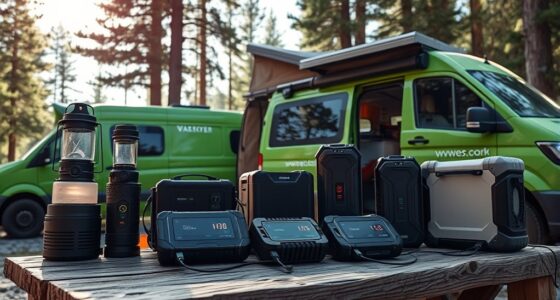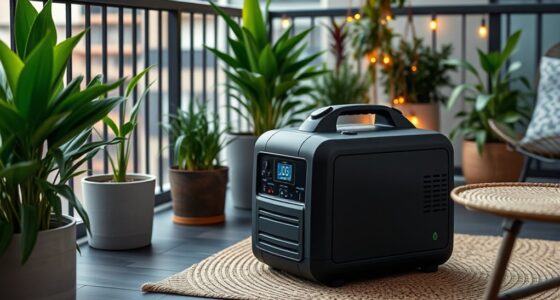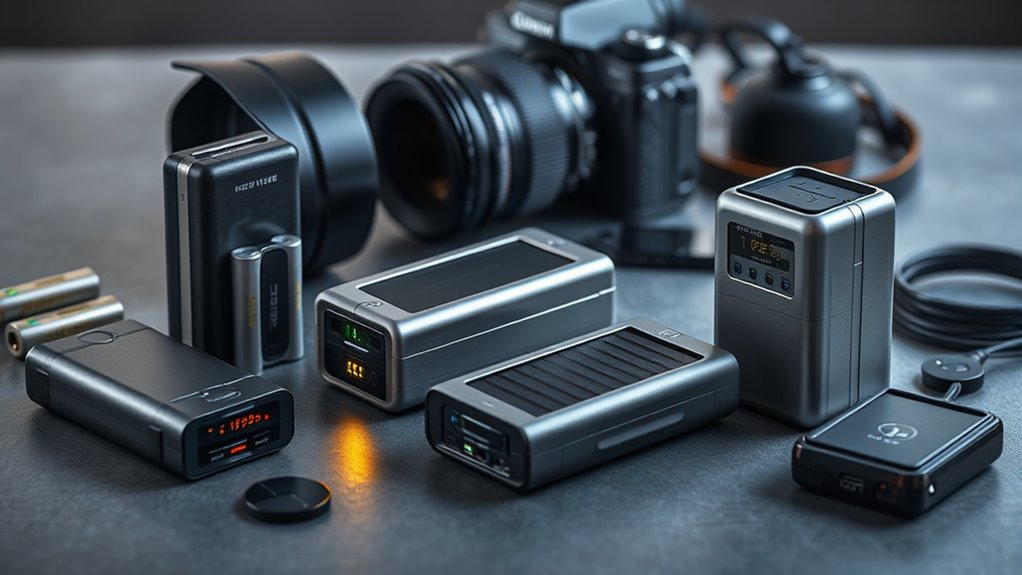
Photographers who shoot outdoors or rely on portable power know how critical a reliable battery backup is. The best options balance capacity, portability, and charging speed, with the Anker SOLIX C300 standing out as the overall top pick for its versatility and robust power. For those prioritizing fast charging, the BLUETTI Handsfree 2 offers quick recharge times, while budget-conscious buyers may prefer the Portable Power Station 288Wh LiFePO4 for its affordability. The main tradeoffs often involve size versus capacity and speed versus portability. Keep reading for a detailed breakdown to find the best backup for your photography needs.

Get backup power and energy gear delivered free with Prime
- Fast, free delivery on millions of items
- Prime Video, Amazon Music and more included
- Member-only deals all year
Complete the kit


Key Takeaways
- Capacity varies widely, so choose based on your typical power needs and shoot duration.
- Portability is a key factor; larger units provide more power but are heavier and less convenient.
- Fast recharging features can be game-changers for quick turnaround between shoots or during long outings.
- LiFePO4 batteries tend to last longer and offer safer chemistry, ideal for frequent outdoor use.
- Price points differ significantly, with premium models offering faster charging and higher capacities, but not always necessary for casual shooters.


| battery backup for photography | Weight | Output Wattage | Capacity | Battery Type |
|---|---|---|---|---|
| Anker SOLIX C300 Portable Powe | 4.13 kg | 300W (600W Surge) | — | — |
| BLUETTI Solar Generator Handsf | 16.5 pounds | 700W | 512Wh | LiFePO4 |
| 500W Portable Power Station 51 | 14.1 lbs | 500W | — | Lithium |
| Portable Power Station 288Wh L | 8.4 lbs | — | — | — |
| GENSROCK Portable Power Statio | 2.3 lbs | — | 24000mAh (88Wh) | — |
| BailiBatt Portable Power Stati | Lightweight | 300 watts | 266Wh | — |
| 1000W Portable Power Station 1 | 27.73 lbs | — | 1024Wh | LiFePO4 |
| BLUETTI Handsfree 2 Portable P | 11 pounds | 700W | — | LiFePO4 |
More Details on Our Top Picks
Anker SOLIX C300 Portable Power Station, 288Wh Solar Generator for Camping
The Anker SOLIX C300 stands out for its combination of portability and versatile charging options, making it ideal for outdoor photography sessions where mobility and multiple device support are essential. Compared to the larger BLUETTI Handsfree 2, this model is lighter and easier to carry, though it offers a smaller capacity. Its fast recharge capability—80% in just 50 minutes—means less downtime during shoots. The LiFePO4 battery ensures long-term reliability, but the absence of a solar panel limits off-grid recharging unless you purchase separately. For photographers needing a reliable backup in rugged environments, this balances power and portability effectively.
Pros:- Lightweight and compact for easy transport
- Multiple charging ports including USB-C and AC outlets
- Fast recharge via wall outlet or solar options
Cons:- Solar panel not included, increasing initial setup cost
- Limited 300W continuous output may restrict some devices
Best for: Photographers seeking a portable, all-in-one power source for outdoor shoots and emergency backup.
Not ideal for: Those who require high wattage for large lighting setups or extended studio work, as its 300W output may be insufficient.
- Battery Capacity:288Wh
- Output Wattage:300W (600W Surge)
- Number of Ports:11
- Charging Ports:3x AC, 1x car, 2x USB-C, 1x USB-A
- Recharging Time:80% in 50 min
- Weight:4.13 kg
Our verdict“This is a well-rounded choice for outdoor photographers who need reliable, portable power without excess bulk.”
BLUETTI Solar Generator Handsfree 2 with 100W 512Wh 700W LFP (No Backpack)
The BLUETTI Handsfree 2 offers a substantial 512Wh capacity and 700W output, making it better suited to photographers who need to power larger devices or multiple equipment simultaneously. Unlike the Anker SOLIX C300, it provides a higher wattage and longer run times, but its bulkier size (16.5 pounds) makes it less ideal for frequent outdoor trips. Its quick solar recharge—just over 4 hours—ensures minimal downtime, yet the need to buy a separate solar panel adds to the initial investment. This model appeals to those who prioritize capacity and recharging speed over extreme portability, particularly in semi-permanent outdoor setups.
Pros:- High capacity at 512Wh for extended use
- Fast solar recharge in just over 4 hours
- Multiple output ports including high-wattage AC and USB-C
Cons:- Heavy at 16.5 pounds, less portable
- Solar panel sold separately, increasing overall cost
Best for: Professional photographers or videographers requiring high power and long operational periods in off-grid locations.
Not ideal for: Lightweight travelers or casual hobbyists who prefer compact gear, as its size and weight can be burdensome.
- Capacity:512Wh
- Output Wattage:700W
- Number of Outlets:5
- Weight:16.5 pounds
- Dimensions:12 x 4.1 x 15.2 inches
- Battery Type:LiFePO4
Our verdict“This is ideal for photographers needing serious power capacity and rapid solar recharging, even at the expense of portability.”
500W Portable Power Station 519.48Wh Outdoor Solar Generator Backup Battery
Compared with the BLUETTI Handsfree 2, this Power Station 519.48Wh offers a similar capacity but weighs less at 14.1 pounds, making it a strong choice for outdoor photographers who need durability without excess weight. It supports multiple recharging options—solar, car, and wall—and provides a variety of output ports, including AC and USB, suitable for most camera gear and accessories. Its built-in LED flashlight with SOS mode adds convenience in emergency situations. However, it’s limited to 500W, which might restrict powering larger lighting or high-wattage equipment. It’s best suited for those seeking a reliable yet portable backup source for moderate power needs.
Pros:- Multiple charging options including solar and car
- Lightweight and portable at 14.1 lbs
- Multiple output ports for device versatility
Cons:- Limited to 500W power output
- Solar panel not included, requiring extra purchase
Best for: Outdoor photographers looking for a reliable backup power with versatile recharging options and moderate capacity.
Not ideal for: Photographers with high-wattage lighting or studio equipment, as its 500W limit may be restrictive.
- Wattage:519.48 Wh
- Output Wattage:500W
- Starting Wattage:1000W
- Weight:14.1 lbs
- Recharge Time (solar):6-9 hours
- Battery Type:Lithium
Our verdict“This power station offers a good mix of portability and power for outdoor shoots with moderate energy demands.”
Portable Power Station 288Wh LiFePO4 Battery, 600W Power Bank with AC Outlet, Fast Charging, Lightweight Solar Generator for Outdoor Camping, Travel, and Emergency Backup
The Port Power Station 288Wh makes a convincing case for portability with its light 8.4-pound weight and 600W output, surpassing the Anker SOLIX C300 in raw power while remaining easier to carry. Its fast charging capabilities and multiple ports—including USB-C and AC—are practical for outdoor photography, but its 288Wh capacity limits how long it can sustain power-hungry devices compared to larger models like the BLUETTI. It’s an excellent choice for trips where weight is a primary concern, but it might fall short for extended shoots or multiple-day emergencies without frequent recharging.
Pros:- Very lightweight at 8.4 lbs
- Fast charging and multiple ports
- Long cycle life with LiFePO4 battery
Cons:- Limited capacity at 288Wh
- No solar panels included, requiring separate purchase
Best for: Travel photographers and outdoor adventurers needing a lightweight, fast-charging power source for short-term use.
Not ideal for: Photographers with high power demands or those needing long-duration backup, as capacity is limited.
- Battery Capacity:288Wh
- Rated Output:600W
- Weight:8.4 lbs
- Dimensions:9.6×6.1×8.1 inches
- Charging Methods:AC, solar, car
- Cycle Life:Over 3,000 cycles
Our verdict“This is a compelling option for quick, portable power in outdoor settings where weight savings are critical.”
GENSROCK Portable Power Station 120W, 24000mAh Power Bank with AC Outlet
The GENSROCK 120W Power Station offers ultra-portability with a 24,000mAh capacity and a weight of just 2.3 pounds, making it perfect for quick outdoor shoots or emergency use where minimal gear is preferred. Its 120W continuous output, however, is limited compared to larger models like Anker SOLIX or BLUETTI, restricting use to low-power devices such as small cameras, lights, or smartphones. While it includes multiple USB and AC options, it’s best suited for short-term or low-power needs rather than extended or high-wattage applications. This pick excels in ease of carry but sacrifices capacity and power for size.
Pros:- Extremely lightweight and compact
- Multiple output ports including USB-C and AC
- Includes LED flashlight for emergencies
Cons:- Limited to 120W continuous output
- No solar panel included, requiring extra purchase
Best for: Photographers needing a lightweight backup for small devices or quick power boosts during shoots.
Not ideal for: Those with high-wattage lighting or longer-duration power needs, as capacity and output are limited.
- Capacity:24000mAh (88Wh)
- Output Power:120W (peak 220W)
- USB Ports:2 QC 3.0, 1 USB 2.4A, 1 USB-C 18W
- Dimensions:6.6 x 4 x 3 inches
- Weight:2.3 lbs
- Cycle Life:>1500 cycles
Our verdict“This is an ideal solution for minimal, quick power needs in compact form, but not for demanding photography setups.”
BailiBatt Portable Power Station 300W, 266Wh Solar Generator
This lightweight and versatile power station excels in supporting photographers who need a portable backup for small devices like cameras, lights, and chargers. Compared with larger units like the 1000W Portable Power Station 1024Wh, it offers less capacity but shines with its compact size and multiple charging options, including dual USB-C PD ports. Its pure sine wave inverter ensures safe power for sensitive electronics, making it ideal for outdoor shoots and quick recharges during fieldwork. However, the limited 266Wh capacity means frequent recharging if you run multiple devices simultaneously, and the 300W continuous power may not support larger equipment like high-wattage lighting or monitors. This pick makes the most sense for photographers who prioritize portability and quick, reliable power for small gear over extended runtime or high wattage needs.
Pros:- Compact and lightweight for easy transport
- Multiple charging ports including dual USB-C PD
- Pure sine wave inverter provides safe, clean power
Cons:- Limited to 300W continuous power, restricting high-wattage device use
- Battery capacity (266Wh) may require frequent recharges during extended shoots
Best for: Traveling photographers who need a lightweight backup for cameras, small lights, and chargers during outdoor shoots or quick trips.
Not ideal for: Photographers working with high-wattage lighting, large monitors, or requiring extended runtime, as its capacity and power output are too limited.
- Wattage:300 watts
- Capacity:266Wh
- Output Wattage:300 watts
- Output Ports:Multiple including USB-C, USB-A, AC
- Weight:Lightweight
- Runtime:Approximately 5 hours
Our verdict“This power station is perfect for photographers needing a portable, reliable backup for small gear in outdoor or travel settings.”
1000W Portable Power Station 1024Wh LiFePO4 for Outdoor & Home
This unit is tailored for photographers who need longer runtime and higher power output, especially when working in remote locations. Its 1024Wh LiFePO4 battery surpasses the capacity of the BailiBatt, making it suitable for powering multiple cameras, lights, and small appliances over extended periods. Its 1000W continuous output is more than enough for most portable lighting and charging needs, though it still struggles with high-wattage equipment. Compared to the BLUETTI Handsfree 2, it offers a larger capacity, but at a heavier weight of nearly 28 pounds, which might be less convenient for frequent carrying. The solar compatibility supports off-grid shoots, but the runtime for high-power devices remains limited, and frequent recharging may be necessary for prolonged shoots. This model suits photographers who prioritize capacity and runtime over portability.
Pros:- High-capacity 1024Wh LiFePO4 battery for long-lasting power
- Supports fast multi-port charging including USB-C
- Solar compatible for off-grid use
Cons:- Relatively heavy at nearly 28 pounds, less portable
- Limited runtime for high-wattage equipment, requiring careful planning
Best for: Outdoor photographers and videographers who require extended power support for multiple devices during long shoots or off-grid work.
Not ideal for: Photographers needing ultralight gear or quick, short-term backups, as its weight and size may hinder mobility.
- Wattage:1000 watts
- Capacity:1024Wh
- Battery Type:LiFePO4
- Weight:27.73 lbs
- Charging Time with Solar:6-8 hours
- Ports:2×110V AC, USB-C, USB-A
Our verdict“This power station is best suited for photographers who need extended, high-capacity backup power for prolonged outdoor shoots or remote shooting locations.”
BLUETTI Handsfree 2 Portable Power Station 512Wh 700W LFP (No Backpack)
This model strikes a balance between capacity and portability, ideal for photographers who need a reliable backup without the bulk of larger units. Its 512Wh LiFePO4 battery supports a 700W output, sufficient for powering smaller lights, cameras, and chargers during outdoor shoots. The fast 3-hour solar recharging makes it convenient for field use, especially when combined with portable solar panels. Compared to the BailiBatt, it offers a better balance of power and portability, but its AC output is limited for larger equipment, and the absence of a backpack means additional carrying solutions are required. The somewhat unspecified runtime means users must plan carefully to avoid power gaps. This pick makes sense for those seeking durability, quick recharge, and a manageable size.
Pros:- Powerful 512Wh LiFePO4 battery with over 4,000 cycles
- Fast solar recharging in 3 hours
- Multiple device charging options including USB-C and USB-A
Cons:- Limited AC power output for high-wattage gear
- No included backpack, less convenience for mobility
Best for: Photographers who need a portable, durable power source for multiple small devices in outdoor or rugged environments.
Not ideal for: Photographers with high-wattage lighting or large equipment, as its 700W output may be insufficient and runtime details are unclear.
- Battery Capacity:512Wh
- Output Wattage:700W
- Battery Type:LiFePO4
- Charging Time:3 hours
- Weight:11 pounds
- Ports:USB-C, USB-A, AC
Our verdict“This power station is a great choice for outdoor photographers who need a portable, reliable backup for multiple small devices with quick recharge times.”

How We Picked
We evaluated each product based on power capacity, portability, recharging speed, build quality, and overall value. Priority was given to devices that balance size and weight with sufficient capacity for typical photography sessions. We also considered the versatility of charging options and durability in outdoor conditions. The ranking reflects how well each model meets the needs of photographers who require reliable, portable backup power, whether for professional shoots or outdoor adventures. Cost was a factor, but only where it aligned with meaningful performance benefits.| battery backup for photography | Battery Type |
|---|---|
| Anker SOLIX C300 Portable Powe | — |
| BLUETTI Solar Generator Handsf | LiFePO4 |
| 500W Portable Power Station 51 | Lithium |
| Portable Power Station 288Wh L | — |
| GENSROCK Portable Power Statio | — |
| BailiBatt Portable Power Stati | — |
| 1000W Portable Power Station 1 | LiFePO4 |
| BLUETTI Handsfree 2 Portable P | LiFePO4 |
Factors to Consider When Choosing Battery Backup For Photography
Choosing the right battery backup for photography involves more than just capacity. Photographers need to consider portability, charging speed, battery chemistry, and compatibility with their gear. Understanding these factors helps avoid common pitfalls like overpaying for unnecessary features or selecting an underpowered unit that can’t meet workflow demands. The right backup ensures you stay powered during extended shoots, emergencies, or remote locations without adding unnecessary bulk.Capacity and Runtime
The primary consideration is how much power you need to keep your equipment running. Larger capacity units offer longer runtime but tend to be heavier and bulkier. For quick outdoor shoots or emergency backups, a smaller, lightweight model might suffice. Think about the watt-hours (Wh) rating relative to your gear’s power draw—this helps you estimate how long your camera, lights, or other accessories can operate without recharging.
Portability and Size
If you plan to carry your backup on hikes, trips, or long outdoor sessions, weight and size matter. Compact models are easier to pack and carry, but they often sacrifice capacity. Conversely, larger units provide more power but can be cumbersome to transport. Consider your typical shooting environment and balance the need for power with ease of mobility.
Charging Speed and Recharging Options
Fast recharge capabilities are vital when you need to quickly top off your power station between shoots. Look for models with high input wattage or multiple recharging options, such as AC, solar, or car charging. Solar-compatible units offer independence from wall outlets, ideal for extended outdoor use, but may require sunny conditions and longer recharge times.
Battery Chemistry and Longevity
LiFePO4 batteries tend to last longer over many charge cycles and are safer, making them a good choice for frequent outdoor or emergency use. Traditional lithium-ion units may be lighter and cheaper but can degrade faster with repeated charging. Consider how often you’ll use your backup and select a chemistry that matches your durability needs.
Price and Value
Higher-priced units often feature faster charging, larger capacity, and more durable build quality. However, for casual photographers or occasional use, a more affordable model might do the job. Focus on matching features to your actual power needs to avoid paying for unnecessary extras, and remember that investing in quality can save money over time through longer lifespan and better performance.
Frequently Asked Questions
How do I determine the right capacity for my photography setup?
To choose the right capacity, start by listing all the gear you plan to power, including cameras, lights, and accessories. Check their wattage and estimate how long you need to run each device. Add these figures to determine the total watt-hours required for your typical session. Selecting a unit with a slightly higher capacity than your estimate provides a buffer, ensuring you won’t run out of power mid-shoot.
Is solar charging worth considering for outdoor photography?
Solar charging can be highly beneficial for extended outdoor sessions, especially in remote locations where power outlets are unavailable. However, it depends on sunlight conditions and the size of the solar panel. While it offers renewable energy and independence, solar recharge times are generally slower than wall outlets, so it works best as a supplementary option rather than the primary recharging method during tight schedules.
What’s the difference between lithium-ion and LiFePO4 batteries for photography backup?
LiFePO4 batteries are known for their longer cycle life, better thermal stability, and increased safety, making them suitable for frequent outdoor use. Lithium-ion batteries are lighter and often less expensive but tend to degrade faster over repeated cycles. If you shoot regularly in challenging conditions, investing in a LiFePO4 unit can extend the lifespan and reliability of your backup power source.
How critical is portability when choosing a backup power station?
Portability is often a decisive factor, especially for outdoor or travel-based photography. A lightweight, compact unit makes it easier to carry and set up, enabling spontaneous shoots and reducing fatigue. However, smaller models may have limited capacity, so balancing size with power needs is essential. Consider your typical shooting environment and how much gear you need to run to find the best fit.
Are higher-wattage units always better for photography?
Not necessarily. Higher-wattage units can power more devices or run longer, but they are often heavier and more expensive. For most photographers, a unit with sufficient capacity to handle their essential gear is enough. Overpaying for extra wattage that won’t be used can be inefficient. Focus on matching the power station’s output to your specific equipment and usage patterns.
Conclusion
For photographers seeking an all-around reliable backup, the Anker SOLIX C300 offers the best blend of capacity, portability, and versatility, making it ideal for both professionals and serious hobbyists. Budget-conscious shooters or those with minimal power needs will find the Portable Power Station 288Wh LiFePO4 provides solid value without sacrificing too much performance. The BLUETTI Handsfree 2 stands out for quick recharging, perfect for fast-paced outdoor shoots. For users prioritizing premium features and maximum capacity, the 1000W Portable Power Station 1024Wh is a clear choice. Ultimately, your selection depends on how much power you need, how portable you want it, and your budget constraints.
As an affiliate, we earn on qualifying purchases.Halloween Picks
halloween