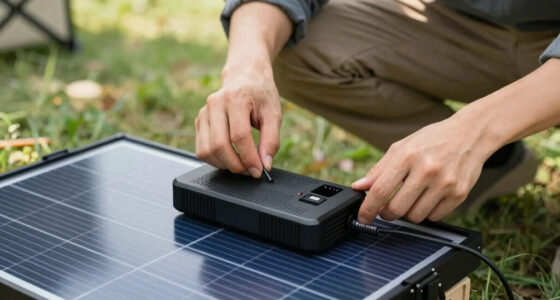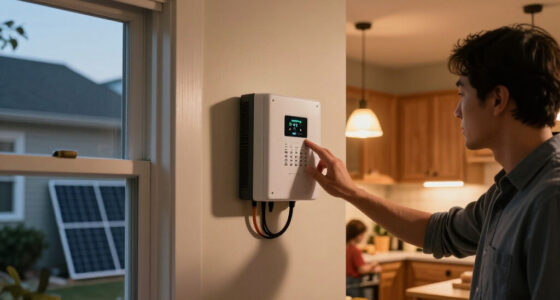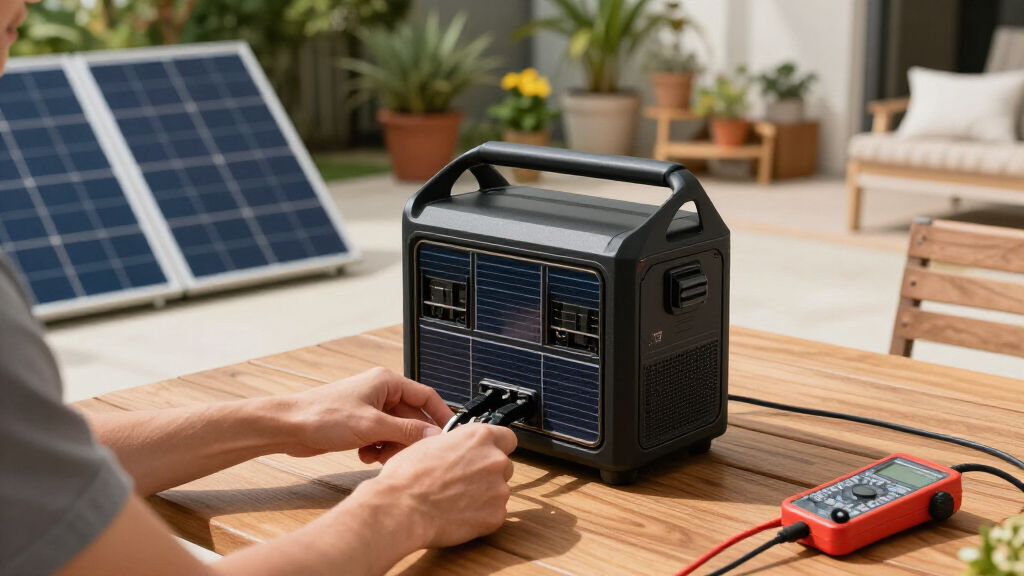

When choosing a home backup solar generator, the main challenge is balancing power capacity, portability, and affordability. The Anker SOLIX S2000 stands out as the overall best due to its large capacity and reliable performance. For those prioritizing high energy output, the EF ECOFLOW DELTA 3 Max offers impressive wattage with fast recharging. Meanwhile, the Jackery Explorer 300 is a solid choice for smaller homes or supplemental backup. These options reveal common tradeoffs: higher capacity typically means increased size and cost, while smaller models sacrifice some power. Continue reading to see how these and others compare for your specific needs.

Get backup power and energy gear delivered free with Prime
- Fast, free delivery on millions of items
- Prime Video, Amazon Music and more included
- Member-only deals all year
Complete the kit


Key Takeaways
- Top picks balance capacity, portability, and price, with the Anker SOLIX S2000 leading for overall power.
- Many options include solar compatibility, but recharging times and panel requirements vary significantly.
- Larger capacity generators often come with higher weight and price, making them less ideal for frequent moving.
- Battery chemistry impacts longevity; models with LFP batteries tend to last longer over time.
- Choosing the right generator depends heavily on your expected load and how much you’re willing to invest.
| Anker SOLIX S2000 Portable Power Station – 2,010Wh, 3,000W Peak, Home Backup |  | Best Overall for Compact and Long-Lasting Home Backup | Capacity: 2,010Wh | Continuous Output: 1,500W | Peak Output: 3,000W | VIEW LATEST PRICE | See Our Full Breakdown |
| EF ECOFLOW Portable Power Station 3600Wh DELTA Pro, 120V 3600W AC Output |  | Best for High Capacity and Expandability | Battery Capacity: 3600Wh | Output Power: 3600W (expandable to 4500W with X-Boost) | Recharge Time: 1.8 hours (240V), 2.7 hours (wall), 2.8 hours (solar) | VIEW LATEST PRICE | See Our Full Breakdown |
| Jackery Solar Generator 1000 v2 with 200W Solar Panel |  | Best for Lightweight and Efficient Solar Charging | Battery Capacity: 1,070Wh | Continuous AC Output: 1,500W | Battery Cycle Life: Over 4,000 cycles | VIEW LATEST PRICE | See Our Full Breakdown |
| BROWEY 1600W Portable Power Station with Built-in Solar Panel |  | Best for Integrated Solar and Off-Grid Use | Battery Capacity: 1024Wh | Output Wattage: 1600W | Peak Power: 3200W | VIEW LATEST PRICE | See Our Full Breakdown |
| EF ECOFLOW DELTA 3 Max Portable Power Station, 2048Wh LFP Battery, 2400W (3400W X-Boost) |  | Best for High Power and Long-Term Durability | Capacity: 2048Wh | Output Wattage: 2400W | Charging Speed: 0-80% in 1.13 hours | VIEW LATEST PRICE | See Our Full Breakdown |
| Jackery Explorer 300 Portable Power Station, 292Wh |  | Best for Lightweight, Portable Backup Power | Capacity: 292Wh | Output Wattage: 300W (600W surge) | Battery Cell Type: LiFePO4 | VIEW LATEST PRICE | See Our Full Breakdown |
| OSCAL PowerMax 6000 Solar Generator with Three 400W Solar Panels |  | Best for Demanding Home and Outdoor Power Needs | Battery Capacity: 3600Wh | Continuous Wattage: 6000W | Surge Wattage: 9000W | VIEW LATEST PRICE | See Our Full Breakdown |
| EF ECOFLOW DELTA 3 Classic Portable Power Station, 1024Wh, 1800W |  | Best for Versatile Home and Outdoor Backup | Battery Capacity: 1024Wh | AC Output: 1800W | Surge Power: 3600W | VIEW LATEST PRICE | See Our Full Breakdown |
| Jackery HomePower 3600 Plus Portable Power Station, 3584Wh, 3600W AC Output |  | Best for Whole-Home Backup with Expandability | Capacity: 3584Wh (expandable to 43kWh) | AC Output: 3600W | Battery Lifespan: 6,000 cycles | VIEW LATEST PRICE | See Our Full Breakdown |
| ABOK Ark3600 Portable Power Station with 400W Solar Panel, 2000W Solar Input |  | Best for High Capacity and Fast Recharge Outdoors | Capacity: 3840Wh (expandable to 11520Wh) | Rated Output: 3600W | Peak Power: 4500W | VIEW LATEST PRICE | See Our Full Breakdown |
| Jackery HomePower 3600 Plus with Two 200W Solar Panels |  | Best Overall for High-Capacity Home Backup and Versatility | Battery Capacity: 3,584Wh | Battery Chemistry: LFP | AC Output: 3,600W | VIEW LATEST PRICE | See Our Full Breakdown |
| EF ECOFLOW 3072Wh DELTA 3 Ultra Plus with 400W Solar Panel and AC Cable |  | Best for Expandable Capacity and Fast Charging | Capacity: 3072Wh | Expandable Capacity: 3kWh to 11kWh | Continuous Power: 3600W | VIEW LATEST PRICE | See Our Full Breakdown |
| Librids Portable Power Station 640Wh, 1200W Surge, Solar Generator with 4 AC Outlets |  | Best for Compact, Reliable Backup Power for Small-Scale Needs | Capacity: 640Wh | Surge Power: 1200W | Charging Time: 1.5 hours | VIEW LATEST PRICE | See Our Full Breakdown |
| home backup solar generator | Capacity |
|---|---|
| Anker SOLIX S2000 Portable Pow | 2,010Wh |
| EF ECOFLOW Portable Power Stat | — |
| Jackery Solar Generator 1000 v | — |
| BROWEY 1600W Portable Power St | — |
| EF ECOFLOW DELTA 3 Max Portabl | 2048Wh |
| Jackery Explorer 300 Portable | 292Wh |
| OSCAL PowerMax 6000 Solar Gene | — |
| EF ECOFLOW DELTA 3 Classic Por | — |
| Jackery HomePower 3600 Plus Po | 3584Wh (expandable to 43kWh) |
| ABOK Ark3600 Portable Power St | 3840Wh (expandable to 11520Wh) |
| Jackery HomePower 3600 Plus wi | — |
| EF ECOFLOW 3072Wh DELTA 3 Ultr | 3072Wh |
| Librids Portable Power Station | 640Wh |
More Details on Our Top Picks
Anker SOLIX S2000 Portable Power Station – 2,010Wh, 3,000W Peak, Home Backup
The Anker SOLIX S2000 stands out for its combination of a robust 2,010Wh capacity and an exceptionally long-lasting 10,000-cycle LiFePO4 battery, which translates to up to 15 years of reliable use. Compared to larger units like the EF ECOFLOW DELTA 3 Max, it offers a more portable form factor without sacrificing significant power, though it lacks a 12V DC port, limiting some DC-powered appliances. Its six recharge options, including a 400W solar input, make it versatile for various emergency scenarios, and the seamless UPS switchover under 10 milliseconds ensures smooth power transitions. However, the absence of a dedicated 12V port may restrict certain applications, and runtime can vary based on the load. This pick is ideal for those seeking a compact, reliable backup that can power essential home devices for days without frequent recharging.Pros:- Long-lasting 10,000-cycle LiFePO4 battery with a 15-year lifespan
- Compact and lightweight for its capacity—30% smaller and 25% lighter than typical units
- Multiple recharge options including 400W solar input for renewable charging
- Seamless UPS switching (<10 ms) for critical device protection
Cons:- No 12V DC port limits compatibility with some devices
- Actual runtime depends heavily on the specific appliance and conditions
Best for: Homeowners looking for a portable, long-lasting backup solution to keep essentials running during outages
Not ideal for: Users needing to power high-draw appliances like HVAC systems or large power tools
- Capacity:2,010Wh
- Continuous Output:1,500W
- Peak Output:3,000W
- Battery Type:LiFePO4 (314Ah LFP cells)
- Battery Lifespan:10,000 cycles / 15 years
- Solar Input:Up to 400W
Our verdict“This is the best choice for those prioritizing longevity, portability, and reliable home backup for essential devices.”
EF ECOFLOW Portable Power Station 3600Wh DELTA Pro, 120V 3600W AC Output
The EF ECOFLOW DELTA Pro offers a substantial 3600Wh capacity, making it suitable for both home backup and outdoor adventures. Its rapid X-Stream Fast Charging technology can recharge the unit in under two hours, outperforming many competitors like the Jackery Explorer 1000 v2 in speed. Its expandability with additional batteries or pairing with other units provides flexibility for larger power needs, though this comes with a higher initial cost. The array of outputs, including multiple USB-C and AC outlets, supports a variety of devices simultaneously. The larger size and weight, however, could affect portability for users who need a truly lightweight unit. This model is best for those who require high capacity and plan to expand their system over time, especially for prolonged outages or large households.Pros:- Large 3600Wh capacity suitable for extensive backup needs
- Fast recharge in under 2 hours with X-Stream technology
- Supports expansion with additional batteries for higher capacity
- Multiple output ports including USB-C and AC for versatile device charging
Cons:- Higher cost compared to smaller or less expandable units
- Bulkier and heavier, less portable for frequent moving
Best for: Homeowners or campers needing high-capacity power and future expandability
Not ideal for: Individuals with limited space or those prioritizing ultra-lightweight portability
- Battery Capacity:3600Wh
- Output Power:3600W (expandable to 4500W with X-Boost)
- Recharge Time:1.8 hours (240V), 2.7 hours (wall), 2.8 hours (solar)
- Input Methods:EV station, solar, wall, generator, car
- Expandability:Supports additional batteries
Our verdict“Ideal for users seeking a high-capacity, expandable power station that can handle significant household or outdoor power demands.”
Jackery Solar Generator 1000 v2 with 200W Solar Panel
The Jackery Solar Generator 1000 v2 pairs a 1,070Wh LFP power station with a 200W solar panel, making it a practical choice for those who need a portable, eco-friendly backup. Its relatively low weight at 23.8 lbs enhances mobility compared to bulkier options like the EF ECOFLOW DELTA 3 Max. The unit boasts a rapid one-hour emergency AC charge, which is a significant advantage in urgent situations, though solar charging takes around six hours to reach 80%, slower than some larger units. The long cycle life of over 4,000 charges ensures durability, but the power station and solar panel are shipped separately, adding to setup complexity. This setup is well-suited for campers or small households seeking a compact, renewable backup that’s easy to carry.Pros:- Lightweight at 23.8 lbs with a compact design
- Fast emergency AC recharge in just one hour
- Over 4,000 charge cycles for long-term durability
- App control for monitoring and management
Cons:- Solar charging only reaches 80% in six hours, slower than larger systems
- Power station and solar panel are shipped separately, complicating setup
Best for: Outdoor enthusiasts or small households prioritizing portability and renewable charging
Not ideal for: Homes requiring continuous high power or fast recharging during outages
- Battery Capacity:1,070Wh
- Continuous AC Output:1,500W
- Battery Cycle Life:Over 4,000 cycles
- Solar Panel Output:200W
- Weight:23.8 lbs
Our verdict“Best suited for portable, renewable power needs where weight and eco-friendliness are priorities.”
BROWEY 1600W Portable Power Station with Built-in Solar Panel
The BROWEY 1600W combines a 1024Wh capacity with a built-in 40W solar panel, making it an all-in-one solution for off-grid living and emergency backup. Its 1600W continuous power, with a 3200W surge, covers many standard appliances, similar to the Jackery Explorer 1000 but with integrated solar, eliminating external panel needs. The MPPT controller enhances solar charging efficiency despite the small 40W input, which may be slow in low sunlight. Its weight of 26.5 pounds balances portability with capacity, but the limited solar input and lack of detailed pricing may restrict appeal. This station is a practical option for those who want a compact, solar-integrated power solution for off-grid or backup scenarios.Pros:- Built-in solar panel with MPPT for efficient solar charging
- Decent 1024Wh capacity with 1600W continuous output
- All-in-one design simplifies setup and portability
- Long-life LiFePO4 battery with over 3000 cycles
Cons:- Limited 40W solar input may slow charging in cloudy conditions
- Weight at 26.5 pounds may affect portability for some users
Best for: Campers or off-grid dwellers needing an all-in-one solar generator
Not ideal for: Users needing rapid or high-capacity solar recharging in low sunlight conditions
- Battery Capacity:1024Wh
- Output Wattage:1600W
- Peak Power:3200W
- Solar Charging Power:40W
- Weight:26.5 pounds
Our verdict“Best suited for off-grid users who want an integrated, portable solar backup with moderate power capacity.”
EF ECOFLOW DELTA 3 Max Portable Power Station, 2048Wh LFP Battery, 2400W (3400W X-Boost)
The EF ECOFLOW DELTA 3 Max offers a solid 2048Wh capacity with a 2400W continuous output, capable of running nearly all household appliances. Its standout feature is the rapid 0-80% charging in just 1.13 hours, making it ideal for quick recharges during outages. The long-lasting LiFePO4 battery supports a 10-year lifespan, comparable to the Anker SOLIX S2000, but with the added benefit of a 5-year warranty. Its durable design and app control make it a strong choice for daily use, though solar options are sold separately, and its size may be less ideal for portable needs. This model is best for users who need a reliable, durable backup with fast recharging capabilities and extensive household coverage.Pros:- Fast 0-80% recharge in just over an hour
- High 2400W output suitable for most household appliances
- Long-lasting LiFePO4 battery with a 10-year expected lifespan
- App control for real-time monitoring and scheduling
Cons:- Solar panels are sold separately, increasing overall cost
- Larger and heavier, less suited for frequent portability
Best for: Households seeking a durable, fast-charging, high-capacity backup system
Not ideal for: Those needing a lightweight or ultra-portable unit for frequent movement
- Capacity:2048Wh
- Output Wattage:2400W
- Charging Speed:0-80% in 1.13 hours
- Battery Type:LiFePO4
- Warranty:5 years
Our verdict“Best for users who prioritize durability, fast recharge, and high power capacity for home backup needs.”
Jackery Explorer 300 Portable Power Station, 292Wh
The Jackery Explorer 300 stands out for its ultra-lightweight design, weighing only 7.5 lbs, making it ideal for those who need a portable backup option without sacrificing too much power. Compared to larger units like the EF ECOFLOW DELTA 3 Classic, its capacity is lower, which limits its ability to run high-power appliances for extended periods. However, its fast solar charging — reaching 80% in under 3 hours — and long LiFePO4 cycle life (over 4,000 cycles) make it a reliable choice for camping, small emergencies, or light household backup. The main tradeoff is its modest 300W continuous output, which may not power more demanding appliances, and solar panels are sold separately. Still, for users prioritizing portability and basic backup, this pick excels.
Pros:- Ultra-lightweight at only 7.5 lbs with built-in handle
- Versatile charging options including USB-C PD and car port
- Long-lasting LiFePO4 battery with over 4,000 charge cycles
Cons:- 300W output limits use to small devices; cannot support high-power appliances
- Solar panel sold separately, increasing overall cost
Best for: Individuals seeking a lightweight, portable backup power source for small devices during outdoor activities or short outages
Not ideal for: Users needing to run high-wattage appliances or entire home backup systems, due to its limited output
- Capacity:292Wh
- Output Wattage:300W (600W surge)
- Battery Cell Type:LiFePO4
- Weight:7.1 lbs
- Dimensions:9.1 x 5.2 x 7.8 inches
- Charge Time:Approx. 4 hours (AC)
Our verdict“This portable power station is best suited for lightweight device backup and outdoor use where portability outweighs power capacity.”
OSCAL PowerMax 6000 Solar Generator with Three 400W Solar Panels
The OSCAL PowerMax 6000 offers an impressive 6000W continuous output and a substantial 3600Wh capacity, making it ideal for running demanding appliances during outages or outdoor projects. Compared with the Jackery HomePower 3600 Plus, its higher wattage and included solar panels deliver more power and faster recharging, suitable for whole-home backup or heavy-duty outdoor use. Its three 400W solar panels provide rapid recharging, and the split-phase 240V support adds versatility for home appliances. The main challenge is its weight—over 45 kg—and large size, which reduces portability. Additionally, the 2400W solar input exceeds what the included panels can handle, meaning some expansion is needed for maximum solar recharging. Overall, this model excels for those needing serious, reliable backup power, but it’s less suited for portable needs.
Pros:- Supports demanding appliances with 6000W continuous output
- Includes three 400W solar panels for fast recharging
- Supports split-phase 120V/240V for home use
Cons:- Heavy (45.5 kg) and bulky, limiting portability
- Full solar input (2400W) exceeds the included panels’ combined 1200W rating
Best for: Homeowners or outdoor enthusiasts requiring high wattage and rapid recharging for demanding appliances or whole-home backup
Not ideal for: Individuals seeking a lightweight, portable solution for small devices, due to its weight and size
- Battery Capacity:3600Wh
- Continuous Wattage:6000W
- Surge Wattage:9000W
- Output Voltage:120V/240V split phase
- Weight:45.5 kg
- Included Solar Panels:Three 400W panels
Our verdict“This power station is best for those needing serious power backup for home or outdoor projects and less for portability.”
EF ECOFLOW DELTA 3 Classic Portable Power Station, 1024Wh, 1800W
The EF ECOFLOW DELTA 3 Classic offers a balanced mix of capacity and power, with 1024Wh and 1800W continuous output, making it suitable for both home backup and outdoor use. Its fast charging—80% in 45 minutes—and sub-10ms UPS switching make it attractive for protecting sensitive electronics. Compared with the Jackery Explorer 300, it handles larger loads and multiple devices simultaneously, thanks to six outlets and higher wattage. The main limitation is its optional 500W solar panel, which is sold separately, and its weight (around 26.7 lbs), which is less portable. It also doesn’t support expansion beyond its built-in capacity. This unit is a smart choice for users who want reliable, fast-charging backup power with smart app controls, mainly for moderate loads.
Pros:- High 1800W continuous output supports multiple devices
- Rapid AC and solar charging, with full recharge in about 1 hour
- Under 10ms UPS switching protects sensitive electronics
Cons:- Optional solar panel sold separately, increasing total cost
- Does not support capacity expansion beyond built-in 1024Wh
Best for: Homeowners or RV travelers needing a reliable, fast-charging backup with smart monitoring for mid-sized appliances and electronics
Not ideal for: Heavy-duty appliances or whole-home backup, due to its limited capacity and number of outlets
- Battery Capacity:1024Wh
- AC Output:1800W
- Surge Power:3600W
- Weight:26.7 pounds
- Charging Time:Approximately 1 hour full from AC
- App Control:Yes
Our verdict“This unit suits users needing reliable, fast-charging backup for moderate loads with smart features and portability.”
Jackery HomePower 3600 Plus Portable Power Station, 3584Wh, 3600W AC Output
The Jackery HomePower 3600 Plus shines as a versatile, expandable backup system with 3584Wh capacity that can grow to 43kWh with additional units. Its 3600W continuous output supports large household appliances like pumps, heaters, and dryers, making it suitable for whole-home backup during extended outages. Compared to smaller units like the EF ECOFLOW DELTA 3, its large capacity and ability to expand make it a more comprehensive solution, though it’s bulkier and less portable. The high-temp resistant ceramic membrane battery cells promise a long 6,000-cycle lifespan, and a rapid 2-hour hybrid AC+DC charge accelerates replenishment. The main limitation is that 240V output is only available in parallel mode, requiring multiple units for full 240V support. It’s a smart choice for users prioritizing capacity and expandability over portability.
Pros:- Large, expandable capacity up to 43kWh
- Fast 2-hour recharge with hybrid AC+DC charging
- Long-lasting ceramic membrane battery cells with 6,000 cycles
Cons:- 240V output only in parallel mode, complicating setup
- Bulkier and less portable compared to smaller units
Best for: Homeowners looking for a scalable backup system capable of powering large appliances during extended outages
Not ideal for: Individuals needing a lightweight, portable solution for outdoor or mobile use
- Capacity:3584Wh (expandable to 43kWh)
- AC Output:3600W
- Battery Lifespan:6,000 cycles
- Recharge Time:2 hours (hybrid)
- Dimensions:Weight not specified but large and portable
Our verdict“This system is best for homeowners seeking a scalable, long-lasting backup solution capable of supporting demanding appliances during prolonged outages.”
ABOK Ark3600 Portable Power Station with 400W Solar Panel, 2000W Solar Input
The ABOK Ark3600 offers a high-capacity 3840Wh LiFePO4 battery, expandable to over 11kWh, with a rated 3600W output. Its included 400W solar panel and ability to handle up to 2000W solar input make it an excellent choice for outdoor enthusiasts and emergency preparedness. Compared with the Jackery Explorer 300, it provides far more power and faster recharge times—just over 1.2 hours via AC+solar. The Bluetooth app monitoring adds convenience, and the 15 output ports support diverse device needs. The main drawback is its size and weight, which reduce portability, and the high solar input capacity requires compatible panels for full benefit. This model best suits those needing a robust, expandable backup system for outdoor or emergency use.
Pros:- High 3840Wh capacity, expandable to over 11kWh
- Fast recharge in just 1.29 hours with AC+solar
- Versatile 15 output ports including USB-C PD and 30A AC
Cons:- Large and heavy despite wheels, less portable
- High solar input capacity requires compatible panels for full benefit
Best for: Outdoor enthusiasts, RV travelers, or emergency preppers needing high-capacity, fast-recharge power with extensive output options
Not ideal for: Those seeking a lightweight, portable device for occasional small device backup, due to its size and weight
- Capacity:3840Wh (expandable to 11520Wh)
- Rated Output:3600W
- Peak Power:4500W
- Battery Type:EV-grade LiFePO4
- Recharge Time:1.29 hours (AC+solar)
Our verdict“This system is ideal for outdoor adventurers and emergency planners who need high capacity and quick recharging, accepting its size as a tradeoff.”
Jackery HomePower 3600 Plus with Two 200W Solar Panels
The Jackery HomePower 3600 Plus stands out for its impressive 3,584Wh capacity and 3,600W AC output, making it well-suited for powering demanding household appliances during outages. Unlike the EF ECOFLOW DELTA 3 Ultra Plus, which offers a more compact form factor and lighter weight, the Jackery provides a larger energy reserve ideal for extended backup needs. Its expandable capacity up to 21kWh with multiple units makes it a flexible choice for those seeking scalable home backup solutions. The inclusion of two 200W solar panels supports renewable energy charging, although the panels ship separately, which can delay setup. The unit’s wheeled design and rapid hybrid charging (2 hours) enhance portability and convenience. However, its weight of 77.2 pounds and the need for a parallel configuration for 240V operation are tradeoffs to consider.
Pros:- High 3,600W output supports demanding household appliances
- Expandable capacity up to 21kWh for longer backup durations
- Fast hybrid charging in just 2 hours with multiple methods
- Wheeled design and telescopic handle for easier transport
Cons:- Heavy at 77.2 pounds, which may be difficult to move regularly
- Solar panels ship separately, delaying full setup
- 240V operation requires a parallel setup, adding complexity
Best for: Homeowners seeking a high-capacity, expandable backup power system with solar integration and easy mobility.
Not ideal for: Users needing a lightweight, portable solution for frequent outdoor use or portable camping, due to its weight and size.
- Battery Capacity:3,584Wh
- Battery Chemistry:LFP
- AC Output:3,600W
- Parallel Output:7,200W
- Solar Panels:2 x 200W
- Expected Lifespan:10 years
Our verdict“This pick is best for homeowners needing robust, scalable backup power with renewable options and mobility features.”
EF ECOFLOW 3072Wh DELTA 3 Ultra Plus with 400W Solar Panel and AC Cable
The EF ECOFLOW DELTA 3 Ultra Plus offers a flexible approach to backup power, with an expandable capacity from 3kWh to an impressive 11kWh, making it ideal for users who want to adapt their system over time. Compared with the Jackery HomePower 3600 Plus, which is more focused on immediate high-capacity backup, the ECOFLOW excels in scalability and quick recharging—achieving 80% in under an hour—plus seamless UPS protection. It supports multiple charging methods, including solar panels, car chargers, and even EV stations, adding to its versatility. However, the power station and the 400W solar panel are shipped separately, potentially delaying full deployment. Its weight can be a concern when fully expanded, and the higher price point might deter budget-conscious buyers.
Pros:- Expandable capacity from 3kWh to 11kWh for future needs
- Fast charging reaches 80% in less than an hour
- Seamless 10ms UPS backup for sensitive electronics
- Multiple charging options, including solar and EV stations
Cons:- Power station and solar panel ship separately, causing potential delays
- Heavy when fully expanded, affecting portability
- Higher price compared to similar capacity units
Best for: Tech-savvy users who want a highly adaptable, fast-charging backup system with the ability to scale capacity for larger loads.
Not ideal for: Individuals prioritizing simple, all-in-one solutions or with budget constraints, since this model is more expensive and requires separate shipping of components.
- Capacity:3072Wh
- Expandable Capacity:3kWh to 11kWh
- Continuous Power:3600W
- Surge Power:7200W
- Fast Charging:80% in under 1 hour
- Charging Methods:Home outlets, solar, car, EV stations
Our verdict“This model suits users seeking a highly scalable, quick-charging backup with versatile power input options, willing to invest more for flexibility.”
Librids Portable Power Station 640Wh, 1200W Surge, Solar Generator with 4 AC Outlets
The Librids Portable Power Station offers a compact 640Wh capacity with a 1200W surge, making it suitable for smaller backup scenarios, such as emergency power for essential devices or camping. Its lightweight design, compared to the larger units like the Jackery or ECOFLOW, makes it easier to transport but limits its capacity for full-home backup. The fast 1.5-hour charging time and the inclusion of four AC outlets plus USB ports make it convenient for multiple devices, while the LiFePO₄ battery ensures a long cycle life of over 4000 cycles. However, this unit is intended mainly for indoor use and may not be suitable for outdoor wet conditions. Its limited capacity makes it less ideal for extended outages or powering large appliances.
Pros:- Fast charging in 1.5 hours for quick deployment
- Multiple outlets support various devices simultaneously
- Long-lasting LiFePO₄ battery with over 4000 cycles
- Pure sine wave inverter protects sensitive electronics
Cons:- Limited capacity unsuitable for full-home backup
- Heavy and bulky for a portable device, especially for outdoor use
- Indoor-only use restricts outdoor wet condition applicability
Best for: Individuals needing a reliable, portable backup for small electronics or emergency use at home or camping trips.
Not ideal for: Those seeking full-home or long-term backup power, as its capacity and surge limits are too modest for demanding appliances.
- Capacity:640Wh
- Surge Power:1200W
- Charging Time:1.5 hours
- Output Ports:4 AC outlets, USB
- Battery Type:LiFePO₄
- Cycle Life:4000+ cycles
Our verdict“This unit is best for users needing a compact, reliable power source for essential devices during outages or outdoor activities where capacity needs are modest.”
How We Picked
Each product was evaluated based on capacity, output power, recharging speed, build quality, and ease of use. We prioritized generators that offer reliable backup during power outages while considering how well they integrate with solar panels. Price and value were also key, ensuring options cater to different budgets. The ranking reflects a mix of performance, versatility, and user convenience, with a clear focus on real-world home backup scenarios. Tradeoffs such as size versus power and upfront costs versus long-term durability were crucial factors in our assessment.Factors to Consider When Choosing Home Backup Solar Generators
When selecting a home backup solar generator, understanding your energy needs and how you plan to use the unit is essential. Consider capacity to ensure your critical devices stay powered during outages. Solar compatibility can reduce refill times, but panels vary in efficiency and setup complexity. Portability might matter if you need to move the generator around or take it on trips. Additionally, evaluate battery chemistry and build quality for longevity. Balancing these factors will help you find a generator that provides reliable power without unnecessary expense or complication.Power Capacity and Output
Assess how many devices and appliances you’ll need to run simultaneously. Larger capacity units with higher wattage outputs are better for whole-home backup, but they tend to be bulkier and more expensive. Smaller models can power essentials like phones, small refrigerators, or lights, ideal for short-term outages. Think about your most critical devices and match the generator’s continuous and surge wattages to those needs. Overestimating capacity can mean unnecessary cost, while underestimating risks power shortages during outages.
Solar Charging Compatibility
Solar input can significantly reduce dependence on grid power, but not all solar generators are equally efficient or easy to set up. Consider the wattage rating of solar panels and the input limits of the generator. Higher wattage panels can recharge the unit faster, especially during sunny days, but typically come with a higher upfront cost. Check whether the generator supports daisy-chaining multiple panels and if the panels are included or need to be purchased separately. Be aware that weather conditions and panel orientation affect charging times, influencing your backup strategy.
Portability and Size
Think about where and how you’ll use the generator. Larger, high-capacity models often weigh over 50 pounds, which may limit mobility or require a dedicated storage space. Smaller, lighter options excel for temporary or partial backup needs but might not support all your essential appliances. If you plan to move the generator frequently, look for units with handles or wheels. Conversely, if it stays in one place, size and weight become less of a concern, allowing for models with greater power capacity.
Battery Chemistry and Longevity
The type of battery inside your generator affects how long it lasts and how many charge cycles it can handle. Lithium Iron Phosphate (LFP) batteries generally provide longer life and improved safety over traditional Lithium-ion batteries, making them a worthy investment for long-term use. Some models also offer swappable batteries, extending lifespan and reducing replacement costs. Keep in mind that battery degradation over time will reduce capacity, so choosing a unit with proven durability is essential for ongoing reliability during power outages.
Price and Overall Value
While higher-priced models often deliver more capacity, better build quality, and faster recharging, they may be out of reach for some budgets. Conversely, lower-cost options can be sufficient for minimal backup needs but might sacrifice long-term durability or power output. Consider your specific backup requirements and how often you’ll rely on the generator. Sometimes investing more upfront pays off through greater longevity and performance, especially if you experience frequent outages or need to power critical equipment.
Frequently Asked Questions
Can I run my entire home on a solar generator?
Running an entire home requires a generator with very high capacity and wattage output, often exceeding 3,000 watts of continuous power. Most portable units are designed for essentials or small appliances. For whole-home backup, you might need a large, dedicated system or a combination of generators. It’s important to evaluate your home’s total power needs and match it with a generator that can handle the load without overloading. Consulting a professional can help determine the most reliable setup for your specific home size and energy demands.
How long can a home backup solar generator run during an outage?
The duration depends on the generator’s capacity and the load it’s powering. Smaller units may last only a few hours if powering multiple devices, while larger models with higher capacity can sustain essential appliances for days. Recharging methods—solar panels, grid power, or generators—also influence how long you can maintain power. If you anticipate long outages, investing in a generator with higher capacity and efficient solar input will provide more extended backup times. Planning for the worst-case scenario ensures your critical systems stay online longer.
Are solar generators safe for indoor use?
Most portable solar generators are designed with safety features that allow indoor use, such as low emissions and built-in circuit protection. However, it’s important to follow manufacturer instructions carefully. Proper ventilation is necessary if the generator produces heat, and ensuring the unit is on a stable, dry surface is vital. Additionally, avoid using damaged or incompatible charging cables, and keep the generator away from water or moisture. When used correctly, solar generators can be a safe and reliable backup source within your home.
What maintenance do solar generators require?
Solar generators are generally low-maintenance compared to fuel-based systems. Regularly inspect the unit and connections for damage or wear. Keep ventilation openings clear and store the generator in a dry, cool place when not in use. If the battery chemistry supports it, periodically charge and discharge the battery to maintain capacity. For units with replaceable batteries, follow manufacturer guidelines for replacement cycles. Proper maintenance extends the life of your generator and ensures dependable performance during outages.
Is a higher wattage generator always better?
Not necessarily. A higher wattage generator provides more power, which is beneficial if you need to run multiple or larger appliances simultaneously. However, larger units tend to be heavier, more expensive, and less portable. If your backup needs are limited to essential devices, a smaller, lower-wattage model might be more practical and cost-effective. Carefully evaluate your actual power requirements to avoid paying for capacity you won’t use, but ensure the unit can handle your critical loads during outages.
Conclusion
For most homeowners seeking reliable backup power, the Anker SOLIX S2000 offers the best overall balance of capacity, build quality, and usability. Those on a tighter budget or needing a portable solution might prefer the Jackery Explorer 300 for its compact size. For high-capacity, long-term backup, the EF ECOFLOW DELTA 3 Max presents a premium, fast-recharge option. Beginners or occasional users should focus on smaller units with simple operation, while households with critical power needs should invest in larger, more robust systems. Matching your specific energy demands and budget will lead to the most satisfying choice.
Halloween Picks

Spirit Halloween 4 Ft. 6 In. Scary Sitting Scarecrow Animatronic

Kalolary 12ft Halloween Witch Haunted House Inflatable Archway

Halloween Inflatable Haunted House Maze – 20×20 ft with Removable Roof and Blower
As an affiliate, we earn on qualifying purchases.