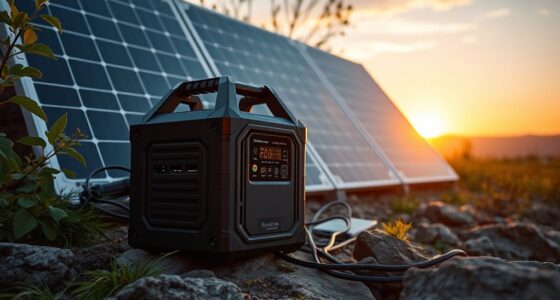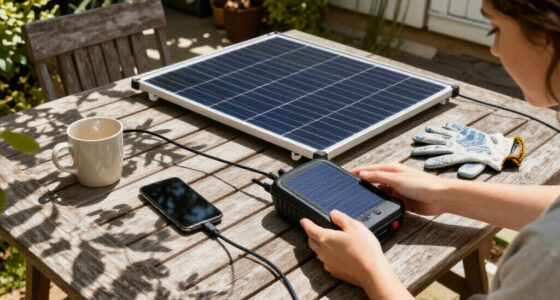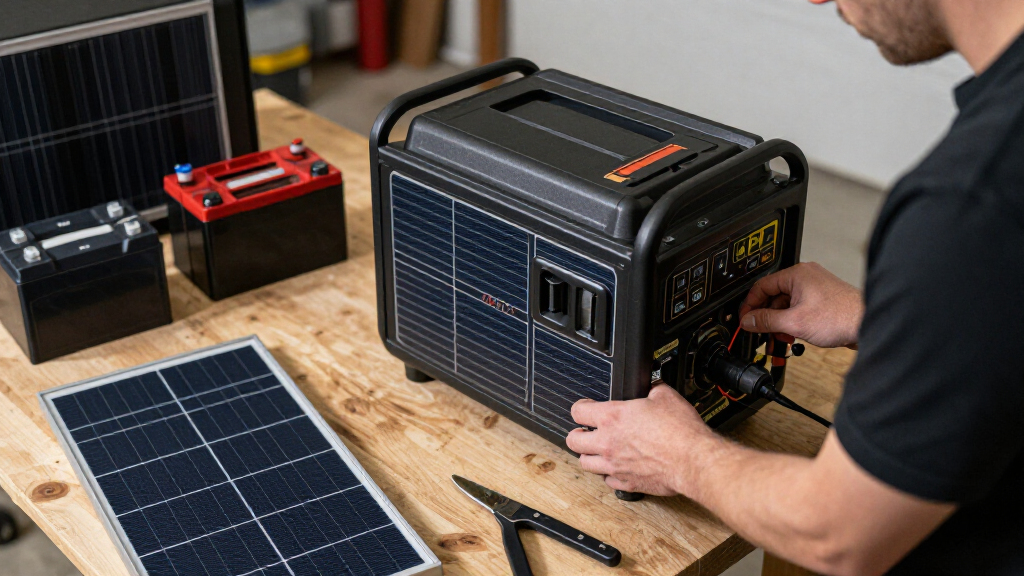
Finding a reliable solar-powered backup generator means balancing capacity, portability, and budget. The Jackery Explorer 2000 stands out for its high capacity and fast charging, making it ideal for serious emergencies or large off-grid setups. For those prioritizing affordability, the Portable Solar Generator 300W offers decent power at a lower price point, perfect for occasional use or camping. The main tradeoffs involve capacity versus portability, and upfront cost versus long-term savings. Keep reading to see how each model stacks up and which one fits your needs best.

Get backup power and energy gear delivered free with Prime
- Fast, free delivery on millions of items
- Prime Video, Amazon Music and more included
- Member-only deals all year
Complete the kit


Key Takeaways
- High-capacity models like the Jackery Explorer 2000 excel in prolonged power outages but are less portable.
- Built-in solar panels simplify setup but often come at a higher price compared to models with separate panels.
- Battery chemistry matters: LiFePO4 batteries offer longer life and safer operation over traditional lithium-ion types.
- Size and weight vary considerably, influencing where and how you can use these generators.
- Pricing ranges widely; investing more generally means better durability, capacity, and features.






| solar-powered backup generator | Weight | Capacity |
|---|---|---|
| Jackery Solar Generator 300 wi | 7.5 lbs | 292Wh |
| BLAVOR Portable Power Station | — | 1024Wh |
| Jackery Explorer 300 Portable | 7.5 lbs | 292Wh |
| EF ECOFLOW Portable Power Stat | — | — |
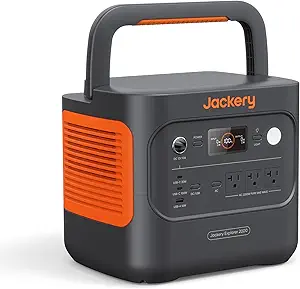
| Jackery Explorer 2000 v2 Porta | 39.5 lbs | 2042Wh |
| BROWEY 1600W Portable Power St | — | — |
| Jackery HomePower 3600 Plus Po | Approximately 29.3% lighter than comparable models | 3584Wh |
| Jackery Solar Generator 1000 V | 23.8 lbs | 1070Wh |
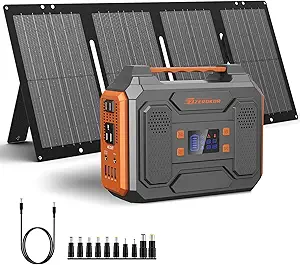
| Portable Solar Generator 300W | — | — |
| Portable Solar Generator with | 5 lbs | — |
| Anker SOLIX C1000 Gen 2 Portab | — | — |
More Details on Our Top Picks
Jackery Solar Generator 300 with 40W Solar Panel, 292Wh, 300W AC, Pure Sine Wave Outlets, for RV, Outdoors, Camping, Travel, Blackout
The Jackery Explorer 300 stands out for its lightweight design, making it ideal for campers and outdoor enthusiasts who need reliable power without the bulk. Compared to larger options like the Jackery Explorer 2000 v2, it offers less capacity but excels in portability and quick setup. Its LiFePO4 battery ensures over 4,000 charge cycles, translating into long-term durability, while multiple outlets support a variety of devices. However, its 300W rated output limits use for high-power appliances, and it requires a separate solar panel purchase for recharging. The charging times vary based on the solar input, which may be a consideration for quick recharges. This pick makes the most sense for those who prioritize portability and moderate power needs during outdoor trips.
Pros:- Extremely lightweight and portable at only 7.5 lbs
- Versatile outlets including AC, USB-C, USB-A, and car port
- Long-lasting LiFePO4 battery with over 4,000 charge cycles
- Fast solar charging capability
Cons:- Requires the purchase of separate solar panels
- Limited to 300W output, unsuitable for high-power appliances
- Charging times can be lengthy with lower-wattage panels
Best for: Families or solo travelers who need portable, reliable power for small devices and camping gear
Not ideal for: Homeowners looking to power large appliances during outages, as it lacks high capacity and high wattage output
- Weight:7.5 lbs
- Capacity:292Wh
- AC Outlets:2
- USB-C PD Port:100W
- Charge Cycles:over 4,000
- Charging Time with 40W Panel:approx. 7.5 hours
Our verdict“This is the best portable solar backup for outdoor enthusiasts needing compact, reliable power for small devices.”
BLAVOR Portable Power Station 1600W with Built-in Solar Panel, 1024Wh LiFePO4 Battery, 100W USB-C Fast Charge, for Home Backup, Camping, RV
The BLAVOR 1600W portable power station offers a significant step up in capacity and power, making it suitable for both home backup and extended outdoor use. Its built-in 40W solar panel simplifies setup and reduces accessory needs, unlike the Jackery Explorer 300 which requires separate panels. With 1024Wh of capacity and a surge capacity of 3200W, it can handle larger appliances and multiple devices simultaneously. The LiFePO4 battery ensures longevity, with over 3500 charge cycles, and fast USB-C charging enhances convenience. The main tradeoff lies in its weight and bulk, which may limit portability for some users. For those seeking large capacity and built-in renewable energy, this model provides impressive power and safety features.
Pros:- Large capacity with 1024Wh LiFePO4 battery for longer use
- Built-in foldable 40W solar panel for quick setup
- High surge power of 3200W supports larger appliances
- Fast USB-C charging and safe, durable design
Cons:- Relatively heavy and less portable for backpacking
- Limited solar panel wattage may slow recharging under cloud cover
- Higher initial cost compared to smaller units
Best for: Homeowners seeking reliable backup power for critical devices and campers needing substantial portable power
Not ideal for: Lightweight hikers or minimalists who prioritize portability over capacity, due to its weight and bulk
- Capacity:1024Wh
- Peak Power:3200W
- Built-in Solar Panel:40W
- USB-C Fast Charge:100W
- Charge Cycles:over 3500
- Surge Power:3200W
Our verdict“This model is best for users who need substantial, renewable power in a portable format for backup or outdoor adventures.”
Jackery Explorer 300 Portable Power Station, 292Wh, LiFePO4 Battery, Solar Generator for Outdoors, Camping, Travel, Hunting, Blackout
The Jackery Explorer 300 offers a similar form factor and capacity as the Explorer 300 with Solar Panel, emphasizing portability and durability. Its 292Wh capacity and LiFePO4 battery support over 4,000 charge cycles, making it a reliable choice for extended trips. While it lacks a built-in solar panel, it can be recharged efficiently with external panels, such as the Jackery Solar Generator 1000 V2. Its multiple outlets include AC, USB-C, USB-A, and a car port, supporting a variety of devices. The main limitation is its capacity, which may not sustain larger appliances or multiple devices for long. It’s perfect for those who want a lightweight, dependable power source for outdoor activities, but not for high-demand home backup.
Pros:- Lightweight and portable at only 7.5 lbs
- Long-lasting LiFePO4 battery with over 4,000 charge cycles
- Multiple versatile outlets for various devices
- Fast solar charging capability
Cons:- No built-in solar panel, requiring separate purchase
- Limited capacity for larger appliances or prolonged use
- Requires physical address for delivery, not ideal for remote locations
Best for: Outdoor enthusiasts needing a lightweight, durable power station for small devices and off-grid adventures
Not ideal for: Users needing to power larger appliances or run multiple devices for extended periods, due to limited capacity
- Capacity:292Wh
- Weight:7.5 lbs
- Outlets:2 AC, 1 USB-C PD, 2 USB-A, 1 Car port
- Charge Cycles:over 4,000
- Rated Power:300W
- Solar Charging Time:approx. 7.5 hours with 40W panel
Our verdict“This is an excellent choice for outdoor users seeking a reliable, portable power source for small devices and quick recharges.”
EF ECOFLOW Portable Power Station 3600Wh DELTA Pro, 120V 3600W AC Output, Expandable up to 25kWh, Solar Generator for Home, Camping, RV, Emergencies
The EF ECOFLOW DELTA Pro is designed for users who need substantial power reserves, making it ideal for home backup or large outdoor setups. Its 3600Wh battery, with expandability up to 25kWh, dwarfs smaller units like the Jackery Explorer 2000 v2. It supports rapid charging via wall, solar, or EV stations and offers an extensive array of output ports, including multiple USB, AC, DC, and car outlets. Its smart app control adds convenience for remote monitoring and management. The downsides revolve around its weight and setup complexity, which may deter those seeking simple, portable solutions. This model suits individuals or families who want a scalable, high-capacity backup system for critical needs or large-scale outdoor events.
Pros:- Massive 3600Wh capacity with up to 25kWh expandability
- Fast, efficient multi-method charging including solar and EV stations
- Multiple output ports support a wide range of devices simultaneously
- Smart app control for remote operation and monitoring
Cons:- Heavy and less portable for casual outdoor use
- Price and setup complexity may be prohibitive for some users
- Details on weight and specific setup requirements are not specified
Best for: Homeowners or large-scale outdoor users needing massive, expandable power capacity for emergencies or substantial appliances
Not ideal for: Those requiring lightweight, portable solutions for minimal outdoor use, or users with budget constraints due to its premium price
- Battery Capacity:3600Wh
- Expandable Capacity:up to 25kWh
- AC Output:3600W (up to 4500W with X-Boost)
- Charging Time:1.8 hours (240V), 2.7 hours (wall), 2.8 hours (solar)
- Connectivity:Wi-Fi, Bluetooth
Our verdict“This is the ideal high-capacity, expandable solar backup for users with large power demands or needing scalable solutions.”
Jackery Explorer 2000 v2 Portable Power Station, 2042Wh, 2200W AC Output, LiFePO4 Battery, USB-C PD 100W Fast Charging, Solar Generator for Emergencies and Camping
The Jackery Explorer 2000 v2 offers a substantial 2042Wh capacity and 2200W AC output, making it suitable for more demanding outdoor or emergency scenarios. Its faster charging times, taking just over an hour to reach 80%, outperform smaller units like the Explorer 300 or 300 with Solar Panel, especially when paired with 400W solar panels. The LiFePO4 battery ensures longevity with over 4,000 charge cycles, and its portability at 39.5 lbs strikes a balance for those who need serious capacity without excessive bulk. The primary tradeoff is the higher price point, which might be a barrier for casual users, and it still requires external solar panels for solar charging. It’s best suited for users who need dependable, longer-lasting power for extended outdoor stays or backup needs.
Pros:- High capacity of 2042Wh for extended use
- Fast charge to 80% in just over an hour
- Long-lasting LiFePO4 battery with over 4,000 charge cycles
- Relatively portable for its capacity
Cons:- Price may be high for casual users
- Requires external solar panels for solar recharging
- Heavier than smaller portable options
Best for: Outdoor adventurers or small businesses needing reliable, fast-charging power with high capacity
Not ideal for: Minimalist users or those with very tight budgets, as it is significantly more expensive than smaller units
- Capacity:2042Wh
- AC Output:2200W
- USB-C PD:100W
- Weight:39.5 lbs
- Charge Time (AC Fast):66 minutes to 80%
Our verdict“This model is perfect for users who need high capacity and quick recharge times in a portable package for outdoor or emergency use.”
BROWEY 1600W Portable Power Station with 1024Wh LiFePO4 Battery and Built-in Solar Panel
This option stands out for its integrated 40W solar panel, making it a convenient all-in-one solution for camping and emergency scenarios. Compared with larger, more powerful units like the Jackery HomePower 3600 Plus, the BROWEY is more portable but sacrifices some capacity and charging speed. Its 1024Wh LiFePO4 battery offers long lifespan and reliable power, yet its weight and bulkiness limit portability for some users. The built-in solar panel simplifies setup, but its limited 40W input may slow recharge times, especially compared to models with higher solar input capacity. This makes the BROWEY ideal for users who prioritize a compact, self-contained solution for light outdoor use, rather than needing rapid recharging or high wattage support.
Pros:- Integrated 40W solar panel for easy recharging outdoors
- High-capacity 1024Wh LiFePO4 battery with long lifespan
- Multiple charging ports including USB-C PD 100W
Cons:- Relatively heavy and bulky for frequent portability
- Limited solar input speed may prolong recharge times
Best for: Outdoor enthusiasts or emergency prepper households needing a portable, all-in-one solar backup
Not ideal for: Users requiring high wattage support or faster recharging, such as for home backup or running large appliances
- Power Output:1600W (3200W peak)
- Battery Capacity:1024Wh
- Battery Type:LiFePO4
- Charging Ports:8 (AC/DC/USB-C PD 100W)
- Recharge Time:3 hours to 80%
- Solar Charging:Yes, 40W solar panel included
Our verdict“This model suits outdoor users seeking a compact, self-sufficient solar generator for light power needs, not high-demand appliances.”
Jackery HomePower 3600 Plus Portable Power Station, 3600W AC Output, 3584Wh LFP Solar Generator, Expandable up to 21kWh, Home Backup, RV
Compared to smaller units like the Jackery Solar Generator 1000 V2, the HomePower 3600 Plus offers significantly higher capacity and expandability, making it suitable for long-term and whole-home backup needs. Its 3584Wh capacity can be extended to 21kWh, perfect for powering larger appliances or multiple devices during outages. The lightweight, luggage-style design enhances portability, but the absence of an included solar panel means you’ll need to purchase one separately, adding to the cost. Its multiple charging options, including AC, solar, and gas, provide great flexibility, though the larger size and higher initial investment may deter casual users. This pick makes the most sense for those who need scalable, reliable power for extended outages or RV life, and are willing to invest in a modular system.
Pros:- High-capacity 3584Wh with potential to expand to 21kWh
- Lightweight and portable for its size with luggage-style design
- Multiple charging options including AC, solar, and gas generator
Cons:- Requires separate purchase of solar panels
- Higher initial cost and larger size may limit portability for some
Best for: Homeowners seeking expandable backup power or RV travelers needing scalable solutions
Not ideal for: Users with limited space or tight budgets who want a ready-to-go, all-in-one unit
- Power Output:3600W (7200W in parallel)
- Capacity:3584Wh
- Expandability:up to 21kWh
- Charging Time:AC in 2.5 hours, solar in 4 hours
- Battery Type:LFP
- Weight:Approximately 29.3% lighter than comparable models
Our verdict“Ideal for users who prioritize scalable, long-term backup power with modular expandability for home or RV use.”
Jackery Solar Generator 1000 V2 with 200W Solar Panel, 1070Wh, 1500W AC, Fast Charge, LiFePO4 Battery, USB-C Output, for Outdoor, Off-Grid Living, RV, Emergency
This portable unit excels in rapid charging, reaching 100% in just one hour, making it a prime choice for outdoor adventures and off-grid living. Its 1070Wh lithium battery supports a 1500W AC output, comparable to smaller units like the Jackery Explorer 300 but with added longevity thanks to LiFePO4 chemistry. Compared to larger models like the Jackery HomePower 3600 Plus, it sacrifices capacity for portability and quick recharge times. Its range of ports, including USB-C and multiple AC outlets, caters well to diverse device needs. However, the solar panel and generator are sold separately, adding to the overall setup cost. Suitable for users wanting a lightweight, fast-charging power source that can handle most camping or emergency needs without a large footprint.
Pros:- Fast recharge from 0% to 100% in just one hour
- Long lifespan with over 10 years and 4000+ cycles
- Multiple ports including USB-C, USB-A, and AC outlets
Cons:- Solar panel sold separately, increasing total cost
- Limited capacity may not support high-wattage appliances for long
Best for: Outdoor enthusiasts needing quick recharge and versatile device compatibility
Not ideal for: Those requiring high wattage or extended power duration for large appliances
- Capacity:1070Wh
- AC Output:1500W
- Surge Peak:3000W
- Charging Time:1 hour (fast charge)
- Battery Type:LiFePO4
- Weight:23.8 lbs
Our verdict“Best suited for outdoor users who prioritize rapid recharging and portability over large capacity or expandability.”
Portable Solar Generator 300W with 60W Solar Panel and Multiple Outlets for Camping and Outdoor Use
This lightweight generator is an excellent choice for minimal power needs, offering a 300W continuous output with a 60W foldable solar panel. Its 280Wh battery supports basic camping devices, but its limited capacity makes it unsuitable for powering larger appliances or long-term outages. Compared to higher-capacity options like the Jackery Solar Generator 1000 V2, it provides fewer outlets and less power, though its portability and affordability make it appealing for casual outdoor trips. The inclusion of a built-in SOS flashlight and safety features adds convenience, but performance drops in low light or with high-wattage devices. It suits users seeking a simple, inexpensive backup or portable power source for small electronics and camping essentials.
Pros:- Includes a 60W foldable solar panel for renewable recharging
- Multiple outlets for various small devices
- Built-in safety features and SOS flashlight
Cons:- Limited battery capacity restricts usage duration
- Not suitable for devices over 300W or extended use
Best for: Casual campers or outdoor users with basic power needs and tight budgets
Not ideal for: Users needing to support high-wattage appliances or long-term power backup
- Wattage:300 watts
- Battery Capacity:280Wh
- Solar Panel Power:60W
- Output Ports:2 AC, 1 DC, 3 USB
- Protection Features:Overload, short circuit, over-voltage, overheating
- Cooling System:Built-in cooling fan
Our verdict“Best for casual outdoor users seeking a compact, affordable, and basic solar backup for small electronics.”
Portable Solar Generator with 300W Power Station and 40W Solar Panel
This compact unit, weighing only 5 pounds, is designed for quick, emergency power or small outdoor tasks. Its 220Wh battery supports devices up to 300W, including lights, small appliances, and charging phones. Compared to larger models like the Jackery Solar Generator 1000 V2, its limited capacity restricts its use to short-term or low-power applications. The included 40W solar panel provides renewable charging, though performance may be affected under poor sunlight. The bright LED floodlight adds utility for outdoor lighting, making it a good choice for hikers, campers, or emergency kits where portability outweighs capacity. It’s a reliable, straightforward backup for small devices, but not for powering larger appliances or extended outages.
Pros:- Extremely lightweight at 5 lbs for maximum portability
- Includes a 40W solar panel for renewable energy
- Multiple outlets including USB-C and USB-A for versatile device charging
Cons:- Limited battery capacity for extended use
- Maximum continuous power of 300W may not support larger appliances
Best for: Hikers, backpackers, or emergency kit users needing lightweight, quick-charging power
Not ideal for: Those wanting to run high-wattage appliances or long-term power solutions
- Power Output:300W (600W peak)
- Battery Capacity:220Wh
- Weight:5 lbs
- Solar Panel Power:40W
- Number of Ports:7 (2 AC, 2 USB-C, 3 USB-A, 1 DC carport)
- LED Brightness:300 lumens
Our verdict“Perfect for lightweight, quick-use scenarios where portability and emergency readiness are priorities over long runtime.”
Anker SOLIX C1000 Gen 2 Portable Power Station, 1024Wh, 2000W, Camping and Emergency Backup
The Anker SOLIX C1000 Gen 2 stands out for its impressive combination of high capacity and quick recharge times, making it a strong contender against larger units like the EF ECOFLOW DELTA Pro. Its 1024Wh battery and 2000W continuous output ensure reliable power for most camping and emergency needs. The standout feature is its fast 49-minute recharge thanks to HyperFlash tech, which minimizes downtime. Compared to the Jackery Explorer 300, it offers significantly more power and versatility, but those benefits come with a higher price tag. Its compact design and solar recharging make it ideal for users who need portability and quick setup. However, the limited 10 device ports could be restrictive for larger setups, and the app-based management might not suit everyone. This model suits outdoor enthusiasts and emergency preppers who prioritize rapid recharging and high capacity in a portable form.
Pros:- Fast recharge in just 49 minutes with upgraded HyperFlash tech
- High capacity with 1024Wh and 2000W continuous power
- Compact, lightweight design for portability
- Multiple outlets and solar charging capability
Cons:- High initial cost may be a barrier for some users
- Limited to 10 device ports, which may be insufficient for larger setups
- Requires app for advanced management, which may not be convenient for all
Best for: Campers and outdoor enthusiasts needing quick recharging and reliable power on the go
Not ideal for: Budget-conscious users or those with very large device arrays, due to its higher cost and port limitations
- Wattage:2000 watts
- Battery Capacity:1024Wh
- Recharge Time:49 minutes
- Output Wattage:2000
- Total Power Outlets:9
- Item Weight:11.3 kg
- Item Dimensions:15.1″L x 8.2″W x 9.6″H
Our verdict“This power station is ideal for users who need quick, portable power with a high capacity, despite its premium price.”

How We Picked
I evaluated these solar-powered backup generators based on performance, ease of use, build quality, and value. Capacity was a key factor, especially for longer outages, but portability and user-friendliness also played a central role. I prioritized models with reliable solar input options, durable batteries, and positive user feedback. The ranking balances these criteria against price, ensuring options suitable for different budgets and needs. Ultimately, I aimed to highlight a diverse range of products that serve various scenarios, from emergency preparedness to off-grid living.Factors to Consider When Choosing Solar-powered Backup Generators
Choosing the right solar-powered backup generator involves understanding several key factors that influence performance, longevity, and usability. It’s crucial to consider your specific power needs, how portable you want the unit to be, and your budget. Beyond the specs, think about the long-term costs, maintenance, and the compatibility of solar panels with your setup. Making informed choices can save you money and ensure reliable backup power when needed.Capacity and Power Output
Determining your power needs is the first step. Larger capacity units, like the Jackery Explorer 2000, provide enough power for extended outages or multiple devices, but they also tend to be heavier and more expensive. Smaller models are lightweight and easier to transport but may only support basic essentials. Consider what devices you need to run and for how long, then choose a generator that can handle that load comfortably without overpaying for unused capacity.
Battery Chemistry and Longevity
The type of battery impacts durability and safety. LiFePO4 batteries, used in many higher-end models, offer longer cycle life and better thermal stability compared to traditional lithium-ion batteries. This means your generator will last longer and be safer to use, especially if you plan to store it for emergencies over many years. Cheaper models with standard batteries might save money upfront but will likely need replacement sooner, increasing total ownership costs.
Portability and Size
How portable your generator needs to be depends on your use case. Compact models like the Portable Solar Generator 300W are ideal for camping or occasional backup, fitting easily in a car trunk. Larger units, such as the EF ECOFLOW DELTA Pro, are better suited for home backup or RV use, but their weight can make them difficult to move regularly. Remember, portability often means sacrificing some capacity or features, so match size to your typical scenarios.
Solar Panel Compatibility and Setup
Some generators come with integrated solar panels, simplifying the setup process, but often at a premium. If you already own solar panels or want flexibility, choosing a model that supports standard solar inputs can be more cost-effective. Also, check for compatibility with high-wattage panels if you need faster charging or higher power input. Keep in mind that the efficiency and placement of solar panels will influence how quickly your generator recharges, especially during cloudy days or in winter.
Pricing and Total Cost of Ownership
While initial price is important, consider the long-term costs associated with maintenance, battery replacements, and solar panel upgrades. Cheaper units may save money upfront but could incur higher costs later if batteries degrade or if they lack features that extend lifespan. Conversely, investing in a higher-quality model might provide better reliability and lower maintenance, saving you money and hassle over time. Balance your budget with your expectations for durability and performance.
Frequently Asked Questions
How long do solar-powered backup generators typically last?
The lifespan of a solar-powered backup generator depends on the battery chemistry and usage. Generally, LiFePO4 batteries can sustain 2000 to 4000 charge cycles, translating to several years of reliable service even with regular use. Proper maintenance, avoiding deep discharges, and keeping the unit in a suitable environment can extend the lifespan further. Once the battery reaches the end of its cycle life, it will need replacement, which is a key consideration when evaluating total ownership costs.
Can I run my entire house on a solar backup generator?
Running an entire house depends on the generator’s capacity and your power demands. Larger models like the Jackery HomePower 3600 Plus or EF ECOFLOW DELTA Pro can support essential appliances and multiple devices, but may not handle the total load of a full household. For complete home backup, you typically need a high-capacity, possibly grid-connected solution. For most users, these generators are best suited to critical devices, small appliances, or partial home backup during outages.
How quickly can a solar generator recharge with panels?
The recharge time depends on the solar input wattage and weather conditions. Models supporting high-wattage solar panels (100W or more) can recharge in a few hours under optimal sunlight, but cloudy or winter conditions will slow this process. For example, a 200W panel can fully recharge a 1000Wh battery in roughly 5-6 hours in ideal conditions. To ensure reliable recharging, consider your typical sunlight exposure and whether you need faster recharge times for your usage pattern.
Are portable solar generators safe to leave plugged in continuously?
Yes, most modern solar generators are designed with safety features that allow continuous charging without risk of overheating or damage. Many include overcharge protection, thermal regulation, and automatic shutoff if critical temperatures are reached. However, it’s advisable to follow the manufacturer’s recommendations for long-term storage and usage. Regularly inspecting the unit and ensuring proper ventilation can help maximize safety and longevity.
Is it worth paying more for a solar generator with integrated panels?
Paying extra for an integrated solar panel system offers convenience and a cleaner setup, especially if you want minimal fuss connecting separate panels. It ensures compatibility and often guarantees optimal performance from the included panels. However, separate panels can sometimes be upgraded or replaced more easily, offering more flexibility. Consider your budget and whether the added convenience justifies the premium, especially if you already own compatible solar panels or plan to expand your system later.