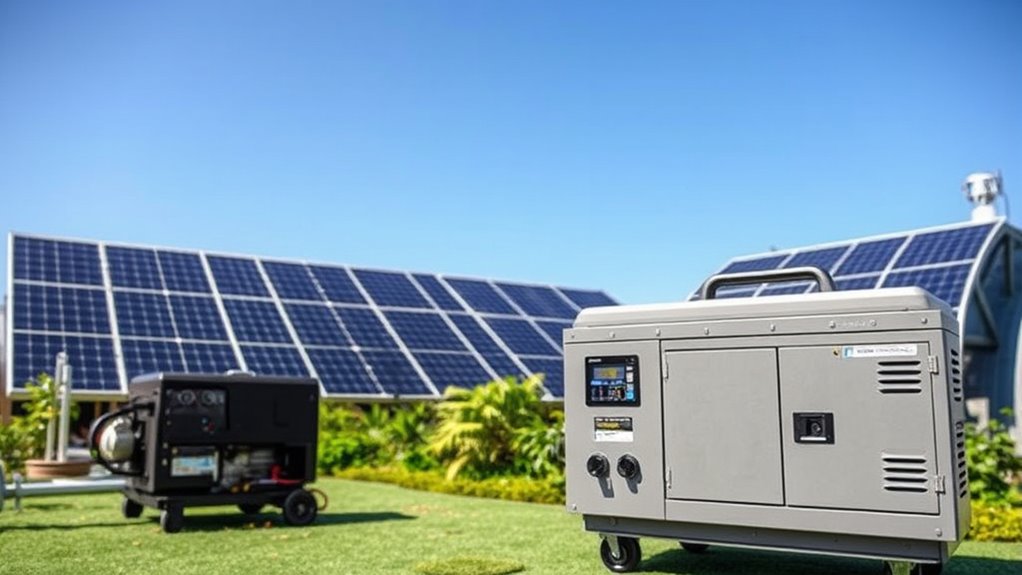
Combining solar generators with grid-tied systems gives you a reliable backup option that keeps power flowing during outages and maximizes energy savings. With batteries, you can store excess solar energy for use when the sun isn’t shining, while grid connection allows you to draw power when needed. Proper management guarantees critical appliances stay powered, and integrating both systems offers flexible, seamless energy solutions. If you want to explore how to optimize this setup, there’s more to discover.

Get backup power and energy gear delivered free with Prime
- Fast, free delivery on millions of items
- Prime Video, Amazon Music and more included
- Member-only deals all year
Key Takeaways
- Solar generators with batteries can provide portable backup power during outages or remote situations.
- Grid-tied systems allow energy exchange with the utility for reliable backup when solar is insufficient.
- Combining both systems offers flexible backup options, utilizing stored solar energy or grid power as needed.
- Automated power management ensures critical appliances are prioritized during outages, enhancing reliability.
- Proper system design and understanding optimize backup performance and prevent overloads or inefficiencies.
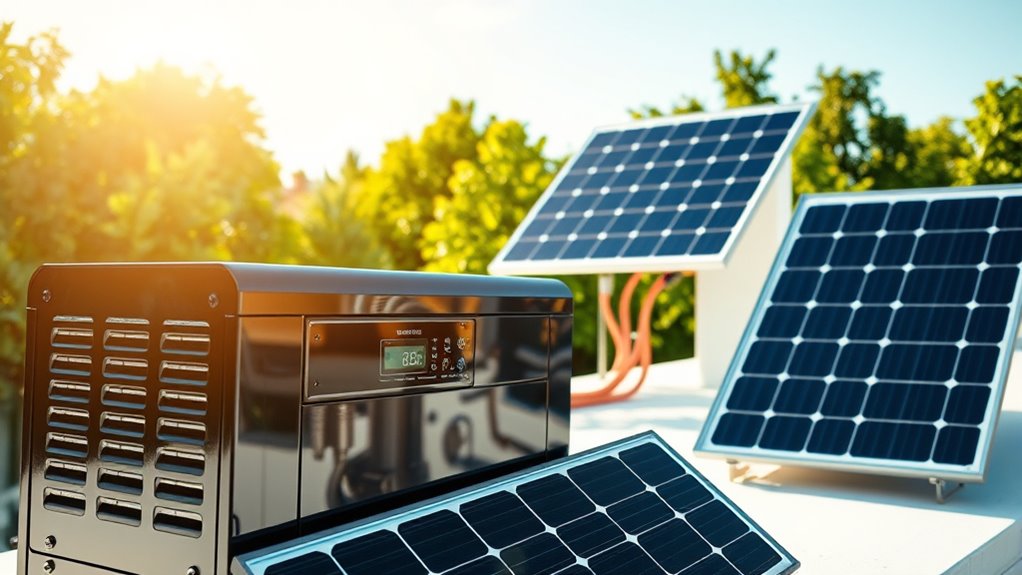
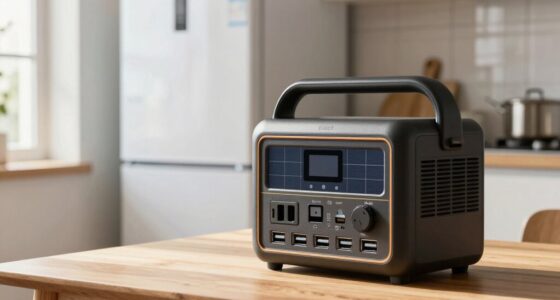
Are solar generators and grid-tied systems the right solutions for your energy needs? If you’re looking for reliable backup power, understanding how these systems work together can make a big difference. Solar generators, especially when paired with battery storage, provide a portable, independent power source that can keep your essential devices running during outages. They store excess energy generated during the day, so you have power when the sun isn’t shining. On the other hand, grid-tied systems connect directly to your local utility, allowing you to draw power when solar production falls short and send excess energy back to the grid, often earning you credits. Combining these systems offers a flexible approach, giving you the option of using stored solar energy or drawing from the grid as needed.
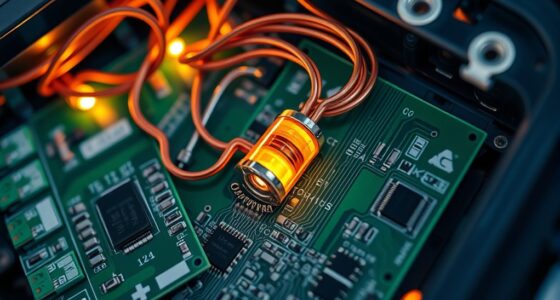
Battery storage is key when using solar generators as backup. It allows you to accumulate energy during sunny periods and access it later, especially during nighttime or cloudy days. This setup ensures you’re not solely dependent on immediate sunlight, increasing your system’s reliability. With proper power management, you can prioritize critical appliances, making sure they operate seamlessly during outages. This involves setting up your system to automatically switch between solar, stored energy, and grid power, so you don’t have to manually intervene. Power management also helps prevent overloading your system, protecting your equipment and optimizing energy use. Additionally, the reliability of well‑sourced information is crucial to making informed decisions about these systems.
When considering these options, think about your typical energy consumption patterns and backup needs. Solar generators with battery storage are ideal if you want portability and independence, especially for outdoor activities or remote locations. They can serve as a primary backup source, independent of the grid. Grid-tied systems are better suited if you already have reliable grid access and want to maximize solar benefits, such as reducing utility bills and earning credits through net metering. However, integrating both systems can give you the best of both worlds—using the grid when solar isn’t enough and relying on stored energy when outages occur.
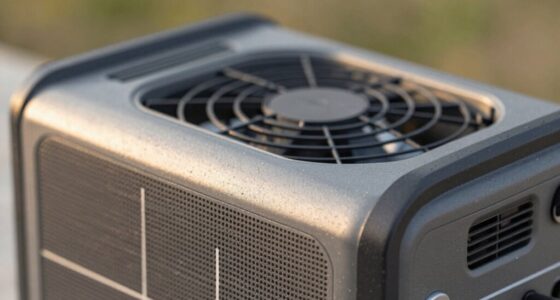
solar generator with battery storage
As an affiliate, we earn on qualifying purchases.
As an affiliate, we earn on qualifying purchases.
Frequently Asked Questions
Can Solar Generators Power Entire Homes During Blackouts?
Yes, solar generators can power your entire home during blackouts, but it depends on their capacity and your energy needs. Solar energy provides a reliable power source when the grid fails, boosting your power reliability. To guarantee full home coverage, choose a solar generator with enough wattage and consider energy-efficient appliances. Properly sized systems keep your lights on and essentials running during emergencies.
Are Grid-Tied Systems Suitable for Off-Grid Locations?
Did you know that over 4 million Americans live off-grid? Grid-tied systems aren’t suitable for off-grid locations because they rely on the utility grid for balance and backup, which defeats the purpose of off-grid independence. For remote energy solutions, you need standalone solar generators or hybrid systems that operate independently, giving you reliable power in even the most isolated areas. Don’t rely solely on grid-tied systems when off-grid living is your goal.
How Long Do Solar Generator Batteries Typically Last?
Your solar generator batteries typically last between 5 to 15 years, depending on usage and maintenance. Battery lifespan can be affected by factors like depth of discharge and temperature. When they reach the end of their lifespan, you’ll need to evaluate replacement costs, which can vary. Proper care and regular checks can extend battery life, saving you money and ensuring reliable backup power when you need it most.
What Maintenance Is Required for Solar Generators and Grid-Tied Systems?
You need to perform regular battery maintenance and system inspections to keep your solar generator and grid-tied system running smoothly. Check batteries for corrosion, clean terminals, and guarantee proper charging levels. Inspect connections, inverters, and wiring for damage or wear. Keep the area clear of debris and monitor system performance regularly. By staying proactive with these tasks, you’ll extend your system’s lifespan and sustain peak energy production.
Are There Legal Restrictions on Using Backup Solar Power Systems?
You should be aware that legal restrictions and permitting requirements can affect your backup solar power system. Many local regulations restrict or specify how you can connect backup systems to the grid, often requiring permits or inspections before installation. Make sure to check with your local authorities or utility company to understand any restrictions, permits, or codes you need to follow, ensuring your setup is legal and compliant.
As an affiliate, we earn on qualifying purchases.
Conclusion
By understanding how solar generators and grid-tied systems work together, you can guarantee reliable backup power when outages strike. Did you know that over 80% of solar system owners report increased energy independence and savings? Incorporating both options means you’re not just prepared but also optimizing your energy use. So, consider blending these systems to boost resilience and cut costs—your home stays powered, no matter what happens outside.
As an affiliate, we earn on qualifying purchases.
automatic power management system for solar
As an affiliate, we earn on qualifying purchases.
As an affiliate, we earn on qualifying purchases.
Halloween Picks
halloween
As an affiliate, we earn on qualifying purchases.