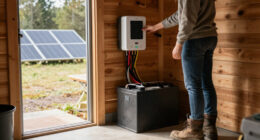

Skipping regular maintenance on your solar backup system is a common mistake that can seriously reduce its reliability when you need it most. Neglecting tasks like cleaning panels, inspecting for damage, and monitoring battery health can lead to decreased efficiency and unexpected failures. By staying on top of upkeep, you guarantee your system stays dependable during outages. Keep going, and you’ll discover key tips to keep your solar backup running smoothly when it matters most.

Get backup power and energy gear delivered free with Prime
- Fast, free delivery on millions of items
- Prime Video, Amazon Music and more included
- Member-only deals all year
Key Takeaways
- Proper planning ensures the solar backup system is optimized for tailgating needs and avoids inefficiencies.
- Regular maintenance keeps panels clean and system components in good condition for reliable backup power.
- Monitoring battery health prevents unexpected failures during tailgating events.
- Correct system design prevents overloading or underperformance during high energy demands.
- Incorporating ongoing care into your setup maximizes backup reliability and system lifespan.

While installing a solar backup system can provide reliable power during outages, many people make a common mistake by tailgating their solar setup without proper planning. This often means rushing the installation process or neglecting essential maintenance, which can seriously undermine your system’s effectiveness. If you want your solar backup to perform well when you need it most, you need to pay attention to solar panel maintenance. Regular cleaning and inspections are critical because dirt, dust, and debris can reduce the panels’ efficiency, leading to less energy production when the grid goes down. Ignoring these routine tasks might seem minor, but over time, they can cause your system to underperform, leaving you with insufficient backup power.
Regular cleaning and inspections are vital to maintain your solar system’s efficiency during outages.
Another mistake people often overlook is neglecting the importance of battery lifespan. Your batteries are the backbone of your solar backup, storing excess energy generated during sunny days for use during outages. But batteries don’t last forever. If you don’t monitor their health, you risk a sudden failure when you need backup power the most. Proper maintenance, including checking for corrosion, ensuring correct charging cycles, and avoiding deep discharges, can extend your batteries’ lifespan and save you money in the long run. It’s tempting to set up your system and forget about it, but proactive care is key. When batteries degrade prematurely, not only do you lose stored energy capacity, but you also face costly replacements. Additionally, understanding the significance of solar panel efficiency and how it impacts overall system performance can help you better plan your maintenance routines. Regularly assessing your system’s performance metrics can help identify issues early before they become costly repairs.
A further consideration is ensuring your system’s system design aligns with your energy needs and environmental conditions, which can influence maintenance requirements and overall performance. Tailgating your solar setup without considering these factors can lead to significant setbacks.
For example, poor solar panel maintenance diminishes your system’s efficiency, meaning you’ll produce less energy and struggle to meet your power needs during outages. Neglecting your batteries’ health shortens their lifespan, forcing you into frequent replacements and risking total system failure. To avoid these pitfalls, you should incorporate routine maintenance into your solar backup plan. Regularly clean your panels, check for damage, and keep an eye on your batteries’ performance. This proactive approach not only extends the life of your components but also maximizes system efficiency, ensuring your backup system remains reliable, efficient, and ready to support you when grid power fails.
In the end, the key to a successful solar backup isn’t just in the initial installation but in ongoing care. Skipping proper planning and maintenance might seem convenient at first, but it’s a false economy that could leave you stranded during outages. By paying attention to solar panel maintenance and monitoring your battery lifespan, you maximize your investment’s value and ensure your backup system remains a dependable source of power when it matters most.
Products Worth Considering

Bose SoundLink Max Portable Bluetooth Speaker, IP67 Waterproof and Dustproof, Up to 20 Hours of Battery Life, Black

Ring Alarm 14-Piece Kit
Ring Battery Doorbell Pro, 1536p HD+ Head-to-Toe Video
As an affiliate, we earn on qualifying purchases.
Frequently Asked Questions
How Long Does a Solar Backup System Typically Last?
A solar backup system typically lasts around 10 to 15 years, depending on battery lifespan and system durability. You should expect the batteries to degrade over time, reducing storage capacity. Proper maintenance and choosing high-quality components can extend your system’s life. Keep in mind that regular inspections help catch potential issues early, ensuring your solar backup remains reliable during outages.
What Is the Initial Cost of Installing a Solar Backup?
The initial cost of installing a solar backup system varies based on battery capacity and installation costs, typically ranging from $10,000 to $30,000. Larger battery capacities and complex installations increase expenses. You’ll want to take into account your energy needs to choose the right system size. While upfront costs can seem high, investing in quality equipment and professional installation ensures reliable backup power and long-term savings.
Can Solar Backup Systems Work During Extended Cloudy Periods?
Yes, solar backup systems can maintain power during extended cloudy periods, though weather resilience varies. Advanced systems with larger battery capacities and energy management optimize power reliability, ensuring you stay powered longer without sunlight. By investing in these, you improve your home’s resilience against unpredictable weather, keeping essentials running smoothly. Remember, the right setup makes a big difference in maintaining consistent power, even when skies are overcast for days.
Are There Any Government Incentives for Solar Backup Installation?
Are you aware of the government incentives available for solar backup installation? You can benefit from various government policies and incentive programs that make going solar more affordable. These incentives often include tax credits, rebates, and grants designed to reduce your upfront costs. Isn’t it worth exploring how these programs can help you maximize your solar investment and guarantee you’re getting the most out of your backup system?
How Does Maintenance Differ Between Solar Backup and Traditional Generators?
You’ll find that maintaining solar backup systems generally requires less effort compared to traditional generators. Solar systems have no fuel tanks, so you don’t worry about fuel efficiency or refueling, reducing maintenance tasks. They operate quietly, with low noise levels, unlike traditional generators that can be noisy and need regular checks on fuel and oil. Overall, solar backups save you time and effort while providing reliable backup power.
Conclusion
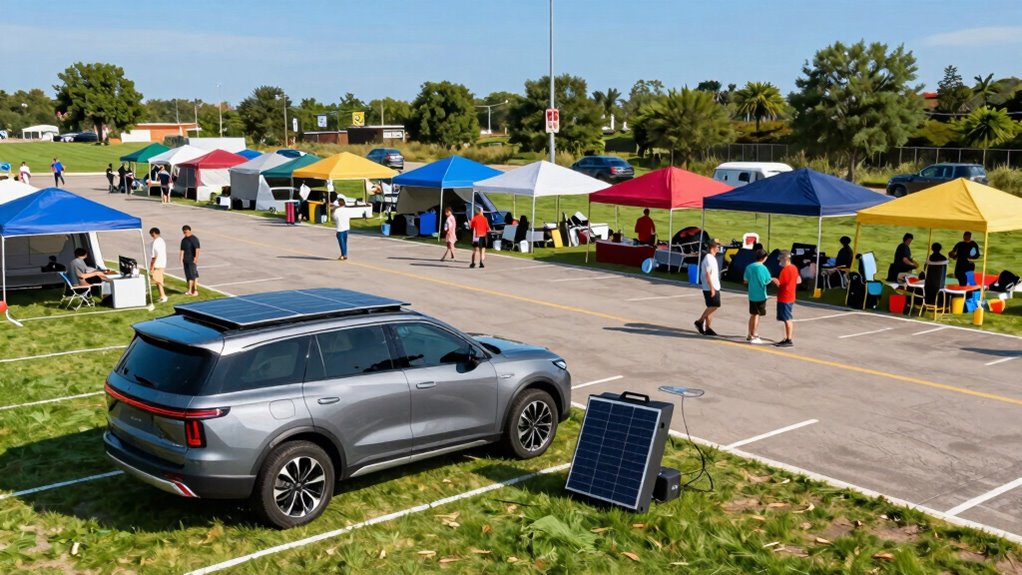
By avoiding this common mistake, you guarantee your solar backup system works efficiently during tailgating. Did you know that over 60% of portable solar setups fail due to improper setup or maintenance? Don’t let that happen to you—proper planning and quick checks can keep your energy flowing and your fun uninterrupted. With the right approach, you’ll enjoy reliable power and unforgettable moments, all while doing your part for the environment.