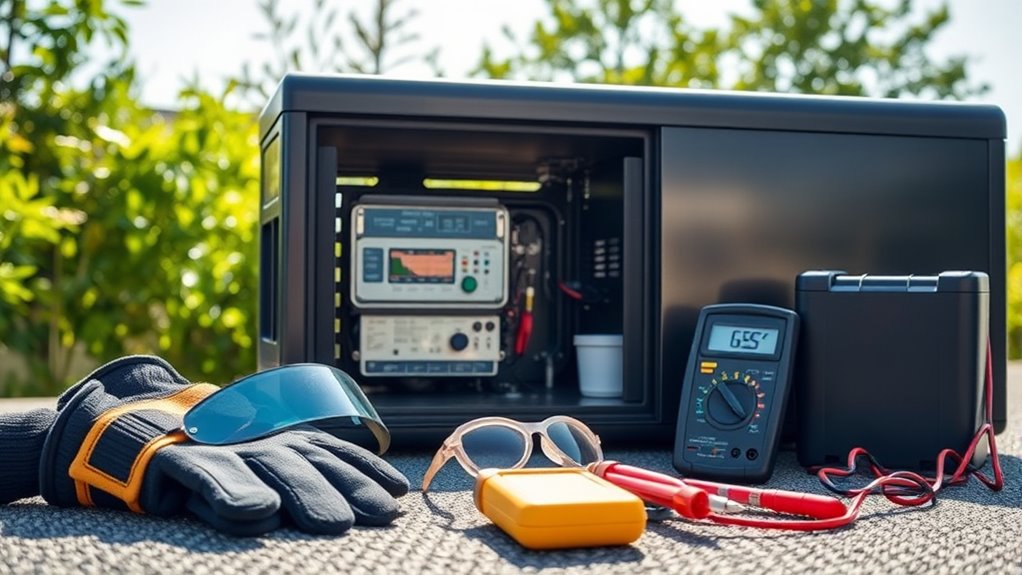

To guarantee your solar generator stays safe and performs well, regularly inspect batteries, cables, and connections for damage or corrosion. Keep the unit in a cool, dry, shaded environment when not in use, and avoid complete discharges—recharge before capacity drops below 20%. Keep solar panels clean and free of debris to maximize efficiency. Handling with care and following manufacturer guidelines help prevent hazards and extend its lifespan. Continue exploring these essential tips to keep your generator running smoothly.
Key Takeaways
- Regularly inspect batteries, cables, and connectors for damage or corrosion to ensure safety and optimal performance.
- Keep solar panels clean and free of debris to maximize energy collection and prevent electrical issues.
- Store the solar generator in a cool, dry place, avoiding extreme temperatures that can degrade components.
- Follow manufacturer guidelines for proper handling, assembly, disassembly, and battery replacement procedures.
- Handle all connections carefully and avoid impacts to prevent short circuits, overheating, and safety hazards.

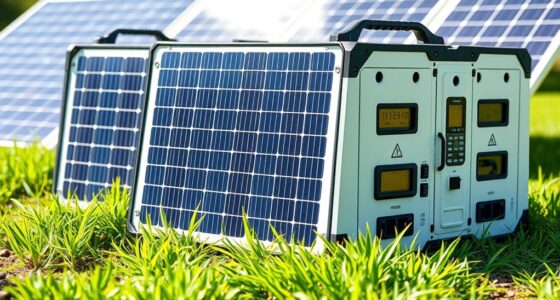
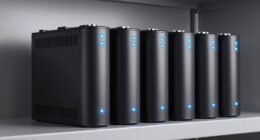
Solar generators are a reliable and eco-friendly way to power your devices, but to guarantee they operate safely and efficiently, proper maintenance is essential. One of the most important aspects of caring for your solar generator is ensuring the battery remains in good condition. Battery longevity depends on regular checks and proper handling. Avoid letting the battery discharge completely, as deep discharges can shorten its lifespan. Instead, aim to recharge the battery before it drops below 20% capacity. Keeping the battery in a cool, dry environment also helps preserve its health; excessive heat accelerates battery degradation, while cold temperatures can temporarily reduce its capacity. If your solar generator has replaceable batteries, follow manufacturer guidelines for updates or replacements to maintain ideal performance over time. Properly maintaining the battery not only extends its lifespan but also ensures your generator is ready to perform when you need it most.
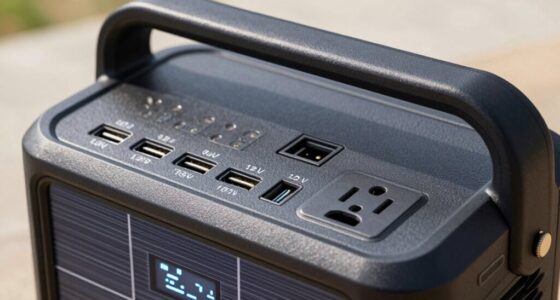
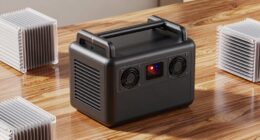
Additionally, your solar generator’s portable design plays a key role in its overall safety and ease of use. The lightweight and compact form factor allows you to take it anywhere, but it also requires careful handling. Always inspect the unit for any signs of damage or wear before use. Secure all connections tightly, and avoid carrying or storing the generator in a manner that could cause accidental drops or impacts. When transporting your solar generator, ensure it’s stored in a protective case or padded environment to prevent damage to internal components. A well-maintained portable design means fewer malfunctions and less risk of electrical hazards. Remember to follow manufacturer instructions for assembly and disassembly, especially when connecting or disconnecting cables. Proper handling of a portable solar generator not only prolongs its lifespan but also minimizes safety risks like short circuits or overheating. Regularly inspecting your unit and practicing safe handling techniques are crucial for maintaining its integrity and safety.
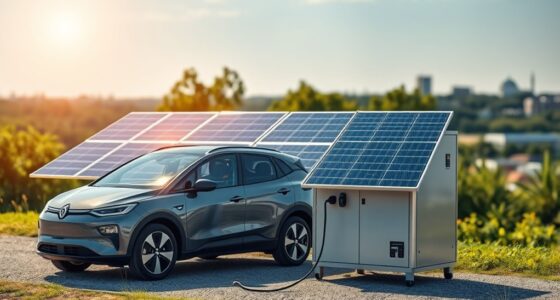
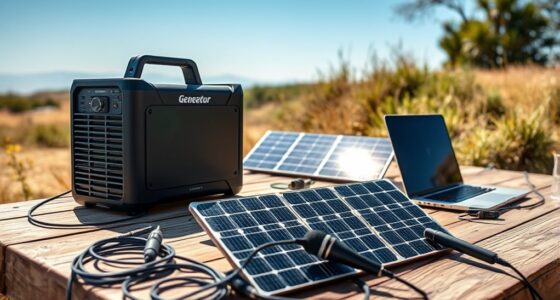
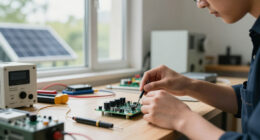
Furthermore, routine maintenance includes keeping your solar panels clean and free of debris, which directly impacts the efficiency of energy collection. Regularly inspect cables and connectors for signs of corrosion or damage, replacing any compromised parts immediately. Make sure your solar generator is stored in a cool, shaded place when not in use, especially during extended periods of inactivity. This prevents unnecessary wear and tear, maintaining both the battery’s health and the overall integrity of the device. Following these maintenance practices ensures your solar generator remains reliable, safe, and efficient for years to come. Proper attention to battery longevity and careful handling of its portable design will keep your power source ready whenever you need it, reducing downtime and extending its functional life. Additionally, understanding battery safety guidelines can help prevent potential hazards associated with improper handling or storage.

UCANUUP 24V 90W Jackery Charger for Explorer Power Stations
- Replacement for 90W Jackery Charger: Compatible with various Jackery models
- Input and Output Specifications: 100-240V, 50-60Hz, 24V-3.75A, 90W
- Convenient Cable Management: Includes rubber strap and LED indicator
As an affiliate, we earn on qualifying purchases.
As an affiliate, we earn on qualifying purchases.
Frequently Asked Questions
Can Solar Generators Be Safely Used Indoors?
Yes, you can safely use solar generators indoors if you follow proper indoor safety and ventilation requirements. Make sure the area is well-ventilated to prevent heat buildup and avoid carbon monoxide risks. Keep the generator away from flammable materials, and ensure it’s on a stable surface. Regularly check for any signs of damage or overheating, and follow the manufacturer’s guidelines to sustain safe operation indoors.
What Should I Do if My Solar Generator Overheats?
If your solar generator overheats, act fast—don’t let it turn into a fiery disaster! First, shut it off and unplug any devices. Use cooling methods like placing it in a shaded, well-ventilated area, or applying a fan to promote overheating prevention. Allow it to cool completely before restarting. Regular maintenance and proper ventilation are key for overheating prevention and keeping your generator running safely and efficiently.
Are There Specific Storage Conditions for Long-Term Maintenance?
For long-term storage, you should keep your solar generator in a cool, dry place to preserve the battery and prevent damage. Avoid high humidity environments, as moisture can cause corrosion and reduce battery life. Make sure the generator is fully charged before storage, and periodically check and recharge it to maintain ideal battery preservation. Proper storage conditions help extend your solar generator’s lifespan and ensure reliable performance when you need it.
How Often Should I Replace the Batteries in My Solar Generator?
You should replace your solar generator’s batteries when their lifespan nears its end, typically every 3 to 5 years, depending on usage and maintenance. Don’t ignore signs like decreased capacity or longer charging times—these hint that replacement frequency is approaching. Staying alert to these indicators ensures your system remains efficient. Regularly checking battery health extends its life, but timely replacement keeps your power reliable when you need it most.
Is It Safe to Modify or Repair My Solar Generator Myself?
You shouldn’t attempt DIY repairs or modifications on your solar generator without proper knowledge and safety precautions. Doing so can be dangerous, risking electrical shocks or damage to the unit. Always prioritize safety by unplugging the generator and consulting the manufacturer’s guidelines or a professional. If you’re unsure, it’s best to seek expert help rather than risking injury or voiding your warranty. Your safety comes first.

Buyplus 30FT Reach Solar Panel Cleaning Brush Kit with 5-24FT Telescoping Pole, Water Fed Window Cleaner Tool with 20" Brush, Soap Dispenser, Cobweb Duster, Squeegee for Roof, RV, Gutter, Deck,Orange
- Wide 20" Cleaning Brush: Large coverage for solar panels
- High-Density Nylon Bristles: Protects photovoltaic panels during cleaning
- Four High-Flow Nozzles: Extensive water coverage for deep cleaning
As an affiliate, we earn on qualifying purchases.
As an affiliate, we earn on qualifying purchases.
Conclusion
By following these simple safety and maintenance tips, you’ll keep your solar generator secure, steady, and shining bright. Regularly review, reset, and remember to handle your hardware with care. Staying vigilant prevents problems, preserves power, and prolongs performance. With a little caution and consistent care, you’ll ensure your solar generator serves you smoothly and safely, sparking confidence and conserving your energy. Stay smart, stay safe, and let your solar solution shine successfully!

FRECOLSH Travel Carrying Case Compatible with Jackery Explorer 1500, Portable Power Station Storage Case with Water- proof Bottom and Pocket for Jackery Accessories Solar Generator, Storage Bag Only
- Durable Material: Heavy-duty polyester with water-proof zipper
- Protective Design: Water-resistant, dustproof, scratch-resistant, easy to clean
- Convenient Charging: Charge without removing power station
As an affiliate, we earn on qualifying purchases.
As an affiliate, we earn on qualifying purchases.

Klein Tools VDV526-200 Cable Tester, LAN Scout Jr. 2 Ethernet Tester for CAT 5e, CAT 6/6A Cables with RJ45 Connections
- Versatile Cable Testing: Tests data and patch cables
- Large Backlit LCD: Easy reading in low light
- Comprehensive Fault Detection: Identifies open, short, miswire, split-pair, crossover, shield faults
As an affiliate, we earn on qualifying purchases.
As an affiliate, we earn on qualifying purchases.