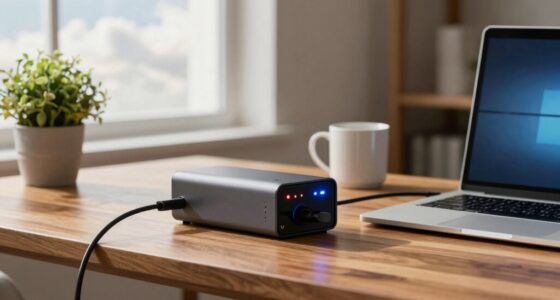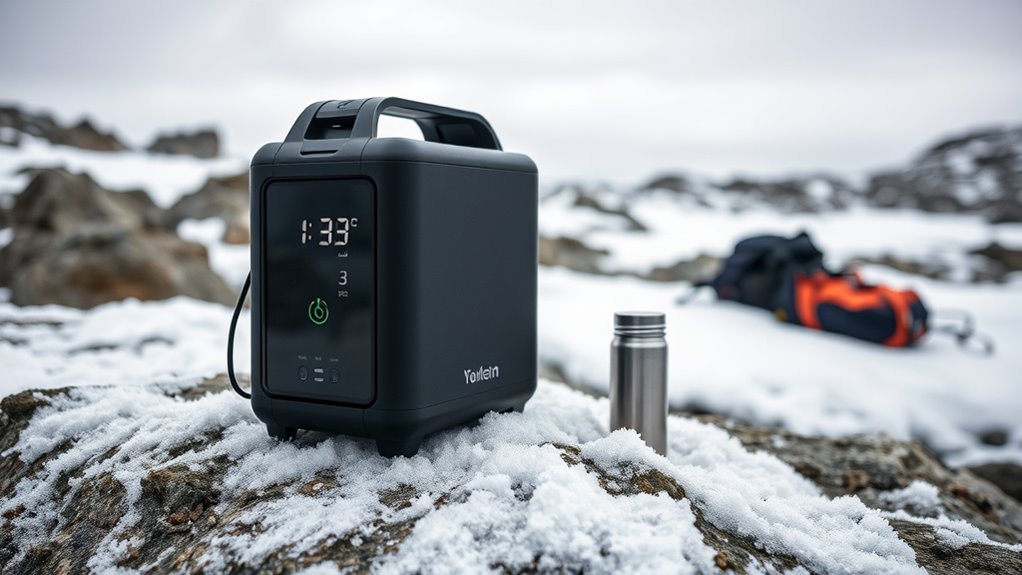
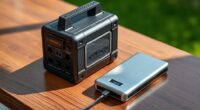
To keep your portable power station functioning well, you should store and use it within the recommended temperature range of around 20°C to 25°C (68°F to 77°F). Avoid exposing it to extreme heat or cold, as heat speeds up chemical degradation and cold reduces efficiency. Protect your device from direct sunlight or freezing conditions, and consider using insulation or seeking shade outdoors. Stay informed on these tips to guarantee your power station’s longevity and reliable performance.
Key Takeaways
- Store portable power stations in cool, dry environments between 20°C and 25°C to prevent battery degradation.
- Avoid exposing devices to direct sunlight or high heat, which can accelerate internal component wear.
- Keep power stations insulated or covered in cold conditions to maintain optimal operating temperatures.
- Monitor device temperature indicators to prevent use outside recommended temperature ranges.
- Allow batteries to warm or cool gradually before use in extreme temperatures to ensure safety and performance.

Temperature plays an essential role in the performance and longevity of portable power stations. When you’re using or storing these devices, the surrounding temperature can markedly impact how well they operate and how long they last. One of the key factors affected by temperature is battery performance. Batteries, especially lithium-ion types common in portable power stations, are sensitive to temperature swings. If they’re too hot, their internal chemistry can degrade more quickly, reducing their capacity and overall lifespan. Conversely, if they’re too cold, the chemical reactions that generate power slow down, leading to decreased efficiency and a drop in available energy. That’s why maintaining ideal temperature conditions is vital for getting the most out of your device.
Proper storage conditions are equally important for preserving your portable power station’s health. If you leave it in a hot car or exposed to direct sunlight for extended periods, the internal components can heat up, accelerating wear and potentially causing permanent damage. Similarly, storing it in a freezing environment can cause the internal battery chemistry to become unstable, which might lead to reduced capacity or even safety risks. Ideally, you want to keep your power station in a cool, dry place, away from direct sunlight and temperature extremes. Many manufacturers recommend storing devices at room temperature—roughly 20°C to 25°C (68°F to 77°F)—to maximize battery longevity and maintain performance.
When you’re planning to use your portable power station outdoors, it’s essential to evaluate the ambient temperature. If it’s too hot, you should limit exposure or find a shaded area to operate your device. If it’s cold, try to keep the power station in an insulated bag or cover to prevent rapid temperature drops that could impair battery function. Before powering up in low temperatures, warming the device slightly can help improve performance, but avoid applying direct heat, which can damage internal components. Also, be mindful of the device’s temperature warnings, if available—many modern stations include sensors that alert you when operating conditions are outside recommended parameters. Understanding the effects of temperature can help you optimize battery performance and extend the lifespan of your portable power station.

BougeRV CRPRO 30 Quart 12 Volt Portable Car Refrigerator Carrying Case, Insulated Protective Cover Only for CRPRO 30 Quart Refrigerator (Refrigerator NOT Included)
Custom Fit Design: Designed for the BougeRV CRPRO 30QT Car Refrigerator (Black & Grey), this carrying case provides…
As an affiliate, we earn on qualifying purchases.
As an affiliate, we earn on qualifying purchases.
Frequently Asked Questions
Can Portable Power Stations Operate Underwater?
No, portable power stations can’t operate underwater, even if they have a waterproof design. Underwater operation exposes the device to water pressure and moisture that can damage internal components, risking short circuits and failure. Waterproof features help safeguard against splashes or rain, but they’re not meant for submerged use. Always keep your portable power station dry and on land to ensure safe, reliable performance.
How Do Extreme Cold Temperatures Affect Battery Lifespan?
Ironically, extreme cold actually speeds up battery degradation instead of preserving it. Low temperatures slow chemical reactions, but they also cause internal damage, reducing your battery’s lifespan. Proper thermal management becomes essential, as it helps maintain ideal operating temperatures. Without it, your portable power station’s battery may weaken faster, leaving you unexpectedly powerless when you need it most. So, cold weather isn’t just uncomfortable—it’s a silent battery killer.
Are Special Storage Methods Needed for High-Temperature Environments?
Yes, you should use special storage methods in high-temperature environments. Keep your portable power station in a cool, shaded area and consider thermal insulation to protect it from heat buildup. Regularly monitor the temperature with a thermometer to prevent overheating. These steps help maintain battery health and prevent damage, ensuring your power station stays reliable when you need it most.
What Safety Precautions Are Necessary in Hot Climates?
In hot climates, you should guarantee your portable power station has good heat resistance and proper ventilation requirements. Keep it shaded and avoid direct sunlight to prevent overheating. Check for adequate airflow around the device, and avoid covering vents. Regularly monitor the temperature, and if it gets too hot, turn it off and let it cool down. These precautions help maintain safety and prolong your power station’s lifespan.
Do Temperature Fluctuations Impact Charging Efficiency?
Temperature fluctuations can influence your portable power station’s charging efficiency, as thermal regulation struggles with rapid changes. When temperatures aren’t stable, your device works harder to maintain ideal performance, which may slow down charging or reduce overall capacity. To keep things running smoothly, guarantee temperature stability and proper thermal regulation by avoiding extreme heat or cold, allowing your power station to operate at its best, regardless of the environment.
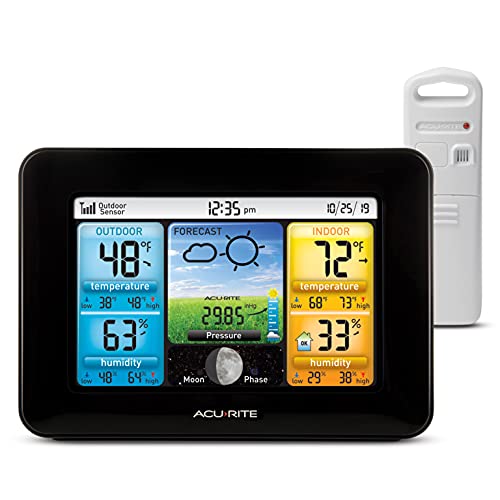
AcuRite Wireless Home Weather Station with Color Display, Indoor Outdoor Thermometer and Temperature Sensor (02077M)
Simple Setup and Use: Install 2 AA batteries (not included) in the outdoor weather station sensor and easily…
As an affiliate, we earn on qualifying purchases.
As an affiliate, we earn on qualifying purchases.
Conclusion
As you explore the world of portable power stations, keep in mind that gentle temperature adjustments can help you enjoy their full potential. By giving them a cozy environment, you’ll find they perform more smoothly and last longer. So, consider their preferred conditions like a caring friend, and you’ll be rewarded with reliable energy whenever you need it. Embrace these subtle touches, and your portable power station will serve you faithfully, no matter where adventures take you.

Carrying Case Compatible with Jackery Explorer 240/300/160/GOLABS R300/Anker 521 Portable Power Station,Waterproof Travel Storage Bag with Multiple Pockets for Charging Cable and Accessories(Bag Only)
【Compatibility】 Size:24cmx19cmx21cm, compatible with Jackery Explorer 300/240/160/Anker 521/Flashfish E200/ZeroKor/GRECELL300/EBL 300/ALLWEI/MARBERO Portable Power Station.Before ordering, please check the size…
As an affiliate, we earn on qualifying purchases.
As an affiliate, we earn on qualifying purchases.

MARBERO Portable Power Station 88Wh Camping Lithium Battery Solar Generator Fast Charging with AC Outlet 120W Peak Power Bank(Solar Panel Optional) for Home Backup Outdoor Emergency RV Van Hunting
EFFICIENT CHARGING: Use the adapter included in the package to charge the power station from 0 to 80%…
As an affiliate, we earn on qualifying purchases.
As an affiliate, we earn on qualifying purchases.