Choosing between off-grid and grid-tied solar systems depends on your needs and location. Off-grid systems give you independence with battery storage but require higher upfront costs and maintenance, perfect for remote areas. Grid-tied systems are more affordable, easier to install, and allow you to send excess energy back to the grid, ideal for urban settings. Want to understand which suits your lifestyle? Keep exploring the pros and cons to make an informed decision.
Key Takeaways
- Off-grid systems offer energy independence but require batteries and higher initial investment.
- Grid-tied systems are easier to maintain, cheaper upfront, and can earn credits via net metering.
- Off-grid setups suit remote locations and long-term self-sufficiency goals, while grid-tied systems depend on grid stability.
- Off-grid systems need regular battery maintenance and careful planning for weather variability.
- Grid-tied systems typically have lower complexity, costs, and rely on the utility grid for backup during outages.

When choosing a solar power system, understanding the differences between off-grid and grid-tied setups is essential. If you opt for an off-grid system, you’re building a self-sufficient setup that doesn’t rely on the utility grid. This means you’ll need to invest in battery storage to store excess energy generated during sunny days for use at night or during cloudy periods. Battery storage is crucial here because it provides energy independence, but keep in mind that batteries require regular system maintenance to ensure maximum performance and longevity. You’ll need to monitor your batteries, keep them cool, and replace them when they wear out, which can add to your overall costs and effort. Off-grid systems are ideal if you live in remote areas where connecting to the grid is impractical or too expensive. However, they demand careful planning around energy needs, weather patterns, and backup options to prevent power outages. Additionally, high-quality batteries with better cycle life can enhance the reliability of your off-grid system and reduce replacement frequency.
On the other hand, grid-tied systems connect directly to the utility grid, allowing you to draw power when your solar panels aren’t producing enough and send excess energy back to the grid. This setup minimizes the need for large battery storage because you can rely on the grid for backup power. It also means less system maintenance since there are no batteries to monitor or replace, making it a more straightforward and lower-maintenance option. When your system generates excess energy, you often get credits or payments through net metering programs, which can offset your electricity bills. However, keep in mind that grid-tied systems depend on the stability of the grid; during outages, your system usually shuts down unless you add an energy storage component or an advanced inverter. This reliance on the grid also means you’re subject to utility policies and potential changes in regulations.
Choosing between these options depends on your specific circumstances. Off-grid setups offer independence and resilience but require significant upfront investment in battery storage and ongoing system maintenance. Grid-tied systems tend to be easier to install and maintain, with lower initial costs, but they tie you to the utility and depend on grid stability. If you value energy independence and have the budget for maintenance, an off-grid system might suit you best. If convenience, lower maintenance, and cost savings appeal more, a grid-tied system could be the better choice. Ultimately, understanding your energy needs, location, and long-term goals will help you decide which system aligns best with your lifestyle.
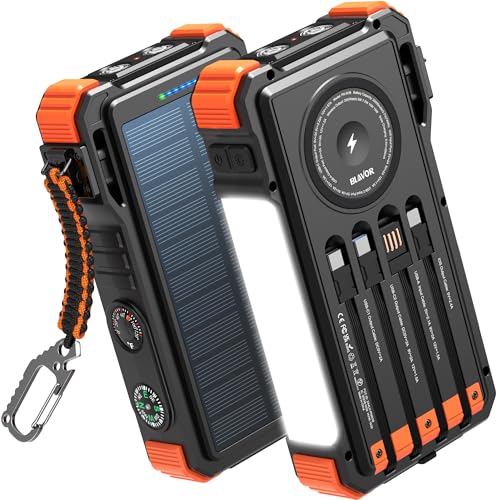
BLAVOR Solar Power Bank 20000mAh Built-in Cables, Wireless Charger for Phones & Apple Watch, 20W Fast Charging Battery Pack with USB C, Flashlight, Solar Charger for iPhone, iPad, iWatch, Samsung
- Simultaneously Charge 6 Devices: Multiple cables and ports for 6 devices
- High Capacity & Fast Charging: 20000mAh battery with 20W USB-C fast charge
- Wireless Charging for Phones & Apple Watch: Built-in wireless charger for convenience
As an affiliate, we earn on qualifying purchases.
Frequently Asked Questions
What Are the Long-Term Maintenance Costs for Each System?
You can expect lower long-term maintenance costs with grid-tied systems due to fewer components and simpler upkeep. Off-grid systems typically require higher cost estimation for maintenance because they rely on batteries with limited durability and additional components like inverters and charge controllers that need regular checks. Both systems benefit from proper upkeep, but off-grid setups generally involve more frequent and costly maintenance to guarantee component longevity.
How Does Energy Storage Differ Between Off-Grid and Grid-Tied Setups?
You’ll find that energy storage differs especially between off-grid and grid-tied setups. Off-grid systems rely heavily on batteries for battery independence, requiring substantial storage capacity to guarantee power during cloudy days or at night. Conversely, grid-tied systems often use smaller batteries or none at all, depending on the grid for backup. This means your storage needs and independence from the grid directly influence the size and type of your batteries.
Can Hybrid Systems Combine Off-Grid and Grid-Tied Features?
Think of a hybrid system as a Swiss Army knife for your solar needs—you get multiple tools in one. Yes, hybrid integration combines off-grid and grid-tied features, offering you system flexibility. This setup allows you to store energy for backup, draw from the grid when needed, and maximize efficiency. It’s a smart way to adapt to changing energy demands, giving you control and peace of mind no matter what the weather or grid conditions are.
What Are the Best Locations for Off-Grid Solar Systems?
You should consider installing off-grid solar systems in remote locations and rural areas where grid access is limited or unavailable. These locations benefit most because they rely solely on renewable energy sources. By choosing such sites, you can guarantee a reliable power supply without dependence on the grid. Remote locations and rural areas often have ample sunlight, making solar energy a practical and sustainable solution for off-grid living.
How Do Government Incentives Vary for Each System Type?
Like a trusty knight’s armor, government incentives protect your solar investment. For grid-tied systems, you often get more solar tax credits and rebate programs because they connect to the grid, making them more popular. Off-grid systems may qualify for fewer incentives, but some regions offer special grants. Check your local policies, because incentives vary widely, and some areas may reward one system type over another.

SOARAISE Solar Power Bank 48000mAh Wireless Portable Charger with 4 Cables
- High-Efficiency Solar Panels: 4 premium solar panels for faster charging
- Large Capacity Battery: 48000mAh lithium-polymer battery for extended use
- Multi-Device Charging: Supports 7 devices simultaneously with multiple ports
As an affiliate, we earn on qualifying purchases.
Conclusion
Ultimately, choosing between off-grid and grid-tied solar systems is like selecting a path in a forest—you must consider your needs and environment. Off-grid offers independence but demands storage and maintenance, while grid-tied provides reliability but ties you to external power. Think of your energy journey as a voyage; the right system guides you smoothly to sustainability. Whichever path you choose, embracing solar power lights the way toward a greener, more autonomous future.

Jackery Solar Generator 1000 v2 and 200W Solar Panel,1070Wh,1500W AC
- Powerful AC Output: 1500W continuous, 3000W surge
- Lightweight & Portable: 23.8 lbs with foldable handle
- Fast Charging: Full charge in 1 hour via app
As an affiliate, we earn on qualifying purchases.

Jackery Explorer 300 Portable Power Station,292Wh
- Lightweight Design: Only 7.5 lbs with 292Wh capacity
- Easy to Carry: Integrated handle for portability
- Multiple Device Charging: 2 AC outlets, USB-C, USB-A, car port
As an affiliate, we earn on qualifying purchases.