Solar-powered smart home devices offer an eco-friendly way to upgrade your home with automation, reducing your carbon footprint while improving convenience. Look for high-efficiency solar panels that maximize energy capture, ensuring your devices stay powered even on cloudy days. Seamless smart home integration with platforms like Alexa or Google Home allows for smarter automation and energy management. Exploring these options can help you create a more sustainable and efficient living space—you’ll discover how all these elements work together as you continue.

Get backup power and energy gear delivered free with Prime
- Fast, free delivery on millions of items
- Prime Video, Amazon Music and more included
- Member-only deals all year
Key Takeaways
- Choose devices with high-efficiency solar panels to maximize energy capture and ensure reliable operation.
- Ensure seamless integration with smart home platforms like Alexa, Google Home, or Apple HomeKit.
- Prioritize devices equipped with monitoring tools to track solar performance and optimize energy use.
- Select compact, user-friendly designs that adapt well to various home layouts and aesthetic preferences.
- Focus on sustainability features that promote energy savings, reduce carbon footprint, and support eco-friendly living.

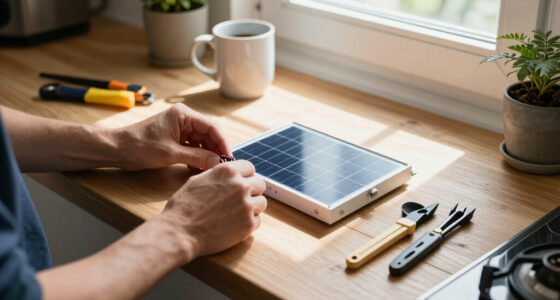
As more homeowners seek sustainable ways to power their homes, solar-powered smart devices are becoming increasingly popular. These devices offer an eco-friendly alternative to traditional energy sources, allowing you to reduce your carbon footprint while enjoying the convenience of modern technology. One of the key factors to consider with solar-powered devices is solar panel efficiency. Higher efficiency panels convert more sunlight into usable electricity, which means your devices can operate reliably even on cloudy days or in shaded areas. When selecting solar-powered smart devices, it’s essential to look for systems that feature high-efficiency solar panels to maximize energy capture. This guarantees your devices stay powered without constantly needing external charging or battery replacements, keeping your smart home running smoothly and sustainably. Discovering the best alarm clocks can help you start your day efficiently and sustainably, especially when integrated into a solar-powered smart home setup.
Smart home integration is a vital aspect of choosing solar-powered devices. You want gadgets that seamlessly connect to your existing smart home ecosystem, whether that’s through platforms like Alexa, Google Home, or Apple HomeKit. When these devices are integrated well, they can work together to optimize energy use, automate routines, and provide real-time updates about your energy consumption. For instance, a solar-powered smart thermostat can adjust your home’s temperature based on sunlight availability and your preferred settings, all while communicating with your solar panels to ensure you’re leveraging the most energy possible. This integration not only enhances convenience but also boosts energy efficiency, helping you save on utility bills and reduce waste.
Additionally, many smart home devices designed for solar power come with intelligent features that maximize their effectiveness. Some systems include monitoring tools that track solar panel performance and energy production, giving you insights into how well your setup is working. These insights help you make informed decisions about device placement, usage schedules, and potential upgrades. Furthermore, as solar technology advances, newer devices are becoming more compact, user-friendly, and adaptable to various home layouts. This progress means you can customize your smart home setup to fit your lifestyle while maintaining a focus on sustainability.
Ultimately, the success of your solar-powered smart home depends on choosing devices that balance high solar panel efficiency with seamless integration into your existing smart home systems. By prioritizing these factors, you’ll create a more energy-efficient, environmentally friendly home that offers convenience, savings, and peace of mind. As the technology continues to evolve, you’ll find more innovative solutions that make living sustainably easier and more accessible than ever before.
solar-powered smart home devices
As an affiliate, we earn on qualifying purchases.
As an affiliate, we earn on qualifying purchases.
Frequently Asked Questions
Can Solar-Powered Smart Home Devices Work During Power Outages?
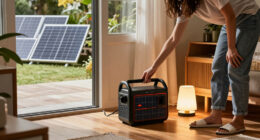
Yes, solar-powered smart home devices can work during power outages if they have sufficient backup power capacity. Solar panel efficiency determines how well they gather energy during sunlight, but without a backup system like a battery, they won’t operate once the grid power is out. To guarantee continuous operation, you need devices equipped with batteries or an uninterruptible power supply (UPS), which store energy for use during outages.
Are Solar Smart Devices Compatible With All Home Automation Systems?
Imagine your smart home humming smoothly, with solar-powered devices seamlessly blending in. Not all solar smart devices are compatible with every home automation system, so you’ll need to verify system compatibility first. Some devices integrate easily, like puzzle pieces fitting together, while others require adapters or updates. To enjoy a unified smart home experience, guarantee your devices are compatible and can integrate well with your existing system.
How Long Do Solar Batteries Typically Last in Smart Devices?
Solar batteries in smart devices typically last between 5 to 15 years, depending on their quality and usage. You should consider battery longevity and maintenance requirements to guarantee peak performance. Regularly check for signs of wear, keep them clean, and follow manufacturer guidelines. Proper maintenance can extend their lifespan, saving you money and keeping your smart home running smoothly without unexpected replacements.
What Is the Cost Comparison Between Solar and Traditional Smart Devices?
You’ll find solar-powered smart devices often cost more upfront but offer better cost efficiency over time. While the initial investment can be higher, you save on energy bills and reduce reliance on grid power. Traditional smart devices usually have lower upfront costs, but they may cost more in the long run due to higher energy consumption. Ultimately, solar devices provide a more sustainable, cost-effective solution if you’re willing to invest initially.
Do Solar-Powered Smart Devices Require Special Installation Procedures?
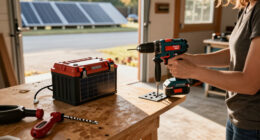
You won’t believe how simple it is—solar-powered smart devices don’t require rocket science-level installation! While there are some installation nuances, like positioning panels for maximum sunlight and ensuring proper wiring, these steps are manageable. Their design emphasizes energy efficiency, making setup straightforward. You just need to follow manufacturer instructions carefully. With a bit of effort, you’ll enjoy eco-friendly, energy-efficient smart tech without any complicated procedures.
high efficiency solar panels for home
As an affiliate, we earn on qualifying purchases.
As an affiliate, we earn on qualifying purchases.
Conclusion
By choosing solar-powered smart home devices, you’re not just saving energy—you’re transforming your home into an unstoppable eco-friendly fortress. Imagine powering your entire house with sunlight, turning every sunny day into a giant leap toward sustainability. With these devices, you’re making a difference that’s bigger than you can imagine, all while enjoying the convenience of smart technology. Embrace solar power today and watch your home become a shining beacon of innovation and environmental care.
smart home integration with Alexa Google Home
As an affiliate, we earn on qualifying purchases.
As an affiliate, we earn on qualifying purchases.
As an affiliate, we earn on qualifying purchases.
Halloween Picks
halloween
As an affiliate, we earn on qualifying purchases.