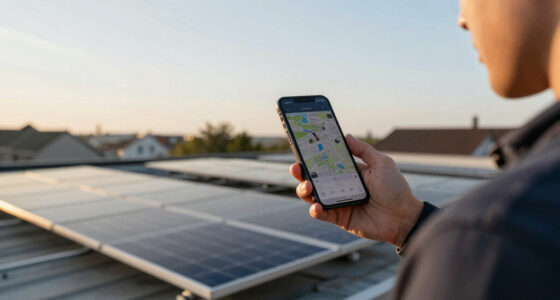
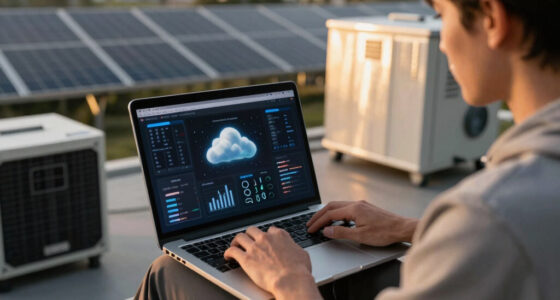
When choosing between lithium-ion and sodium-ion batteries, you should consider their strengths and limitations. Lithium-ion batteries offer high energy density, making them ideal for portable devices and electric vehicles, but they come with safety risks like overheating. Sodium-ion batteries are safer, cheaper, and use abundant materials, making them suitable for large-scale storage, though they currently have lower energy capacity. To understand which option suits your needs best, explore the key differences and recent advancements.
Key Takeaways
- Lithium-ion batteries offer high energy density and efficiency, suitable for portable devices and EVs, but pose safety risks like overheating.
- Sodium-ion batteries are safer and more stable due to their material properties, reducing thermal runaway risks.
- Lithium-ion batteries have become more affordable through technological advances, yet are still costlier than sodium-ion options.
- Sodium-ion batteries are cheaper to produce due to abundant materials but currently have lower energy density and performance.
- Lithium-ion batteries dominate current markets, while sodium-ion batteries are emerging for large-scale, safety-critical energy storage applications.

Have you ever wondered how renewable energy sources like solar and wind manage to provide power even when the sun isn’t shining or the wind isn’t blowing? The answer lies in effective energy storage options that can hold excess energy for later use. Lithium-ion and sodium-ion batteries are two leading contenders in this field, each with unique advantages and challenges. When comparing these options, it’s essential to consider battery safety and cost, as both directly impact their practicality and adoption.
Lithium-ion batteries are widely used today because they deliver high energy density and efficient performance. They’re compact, lightweight, and capable of rapid charging and discharging, which makes them ideal for grid storage, electric vehicles, and portable electronics. However, safety concerns are significant. Lithium-ion batteries can overheat, catch fire, or even explode if damaged or improperly handled. Manufacturers have made strides in improving safety through better thermal management and protective circuitry, but risks still exist, especially in large-scale installations. Their cost comparison also tilts in their favor; lithium-ion batteries have become more affordable over the years due to mass production and technological advancements. Still, they remain relatively expensive compared to traditional energy storage solutions, which can be a limiting factor for widespread deployment, especially in developing regions.
On the other hand, sodium-ion batteries are gaining attention as a promising alternative, mainly because they use abundant and inexpensive materials. Sodium is plentiful in nature, making sodium-ion batteries potentially cheaper to produce. They also tend to be more stable chemically, which enhances safety by reducing the risk of thermal runaway and fires. This improved safety profile makes sodium-ion batteries particularly attractive for large-scale energy storage systems where safety is paramount. However, sodium-ion technology is still in its developmental stages, and these batteries generally have lower energy density than lithium-ion counterparts. This means they are bulkier and less efficient for portable applications. The cost comparison favors sodium-ion batteries because of the cheaper raw materials and simpler manufacturing processes, but their current limitations in performance mean they’re not yet a direct replacement. Additionally, ongoing research into battery safety improvements continues to address some of the existing challenges associated with these technologies.

Jackery Solar Generator 1000 v2 and 200W Solar Panel,1070Wh,1500W AC
- Powerful AC Output: 1500W continuous, 3000W surge
- Lightweight & Portable: 23.8 lbs with foldable handle
- Fast Charging: Full charge in 1 hour via app
As an affiliate, we earn on qualifying purchases.
Frequently Asked Questions
What Is the Environmental Impact of Lithium and Sodium Mining?
You should know that lithium mining has a significant environmental footprint, causing habitat destruction and water depletion, which challenges resource sustainability. Sodium mining, on the other hand, generally has a lower environmental impact, making it a more sustainable option. However, both extraction processes can affect local ecosystems. To minimize environmental harm, it’s essential to develop sustainable mining practices and explore alternative sources, ensuring resource sustainability for future energy storage needs.
How Do Cost Differences Affect Large-Scale Deployment of Each Battery Type?
Cost differences shape your choices and determine market adoption. Lithium-ion batteries, with higher cost implications, can slow large-scale deployment despite their performance. Sodium-ion batteries, being more affordable, promise broader access and faster adoption, especially in cost-sensitive regions. As the market evolves, the lower cost of sodium-ion technology could tip the balance, making it a more viable option for widespread energy storage, while lithium-ion remains favored for high-performance needs.
Are There Safety Concerns Unique to Sodium-Ion Batteries?
You should know that sodium-ion batteries have some safety concerns, mainly related to safety protocols and thermal stability. They are generally considered safer than lithium-ion batteries because they are less prone to overheating and thermal runaway. However, proper safety measures are essential during manufacturing and operation to prevent potential issues like short circuits or overheating, ensuring safe deployment in large-scale energy storage systems.
What Are the Scalability Challenges for Sodium-Ion Battery Production?
You might worry about scaling sodium-ion batteries, but the main challenge lies in developing manufacturing infrastructure and streamlining supply chain logistics. Since sodium is abundant and cheaper, production can grow quickly, but establishing new factories and sourcing materials consistently takes time and investment. Overcoming these hurdles is vital to make sodium-ion batteries a viable alternative, ensuring you can meet rising energy storage demands efficiently and sustainably.
How Do Lifecycle and Recycling Processes Compare for Both Batteries?
You’ll find that lithium-ion batteries generally have higher recycling efficiency and longer lifecycle durability, making them more established in reuse processes. Sodium-ion batteries, while promising, still develop their recycling methods and tend to have shorter lifespans. This means they currently offer less effective recycling and potentially lower durability over time. As research advances, sodium-ion batteries could improve, but for now, lithium-ion batteries lead in lifecycle and recycling processes.
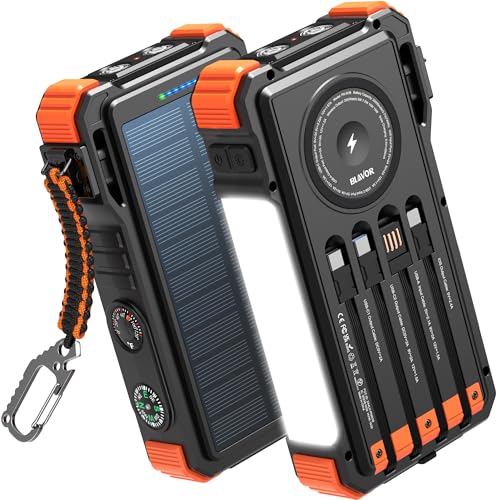
BLAVOR Solar Power Bank 20000mAh Built-in Cables, Wireless Charger for Phones & Apple Watch, 20W Fast Charging Battery Pack with USB C, Flashlight, Solar Charger for iPhone, iPad, iWatch, Samsung
- Simultaneously Charge 6 Devices: Multiple cables and ports for 6 devices
- High Capacity & Fast Charging: 20000mAh battery with 20W USB-C fast charge
- Wireless Charging for Phones & Apple Watch: Built-in wireless charger for convenience
As an affiliate, we earn on qualifying purchases.
Conclusion
As you explore energy storage options, it’s almost like stumbling upon two siblings—lithium-ion and sodium-ion batteries—each with their own strengths. While lithium-ion batteries have long been the family favorite, sodium-ion batteries are quietly gaining ground, promising a more abundant and cost-effective future. Coincidentally, as the demand for sustainable energy grows, these technologies are shaping a world where your choices can directly impact the planet’s health. It’s a fascinating moment to witness innovation and necessity intertwine.

SOARAISE Solar Power Bank 48000mAh Wireless Portable Charger with 4 Cables
- High-Efficiency Solar Panels: 4 premium solar panels for faster charging
- Large Capacity Battery: 48000mAh lithium-polymer battery for extended use
- Multi-Device Charging: Supports 7 devices simultaneously with multiple ports
As an affiliate, we earn on qualifying purchases.
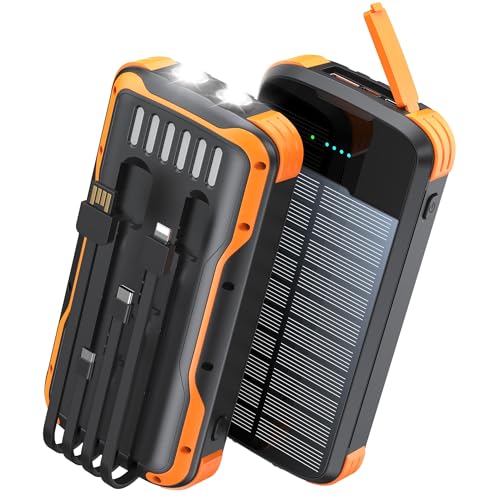
SOXONO Solar Power Bank 40000mAh PD20W Fast Charging Portable Solar Charger
- High Capacity Battery: 40000mAh lithium polymer battery
- Multiple Device Charging: Charges up to 5 devices simultaneously
- Built-in Charging Cables: Includes 4 integrated charging cables
As an affiliate, we earn on qualifying purchases.