Transparent solar panels work by using special materials that absorb certain wavelengths of sunlight, like ultraviolet or infrared, while letting visible light pass through. They are integrated into windows, either as coatings or embedded layers, that generate electricity without sacrificing clarity or design. This innovation allows your windows to produce energy while remaining see-through and attractive. If you keep exploring, you’ll discover how these panels are advancing and becoming more practical for everyday use.
Key Takeaways
- They use advanced materials like organic photovoltaic layers or perovskite cells that selectively absorb ultraviolet or infrared light.
- These panels allow visible light to pass through, maintaining transparency while generating electricity.
- Solar technology is integrated into windows via coatings, laminated glass, or embedded photovoltaic cells.
- The materials are engineered to optimize energy production without sacrificing window clarity or aesthetic appeal.
- Ongoing research improves efficiency and cost-effectiveness, enabling windows to actively contribute to building energy needs.
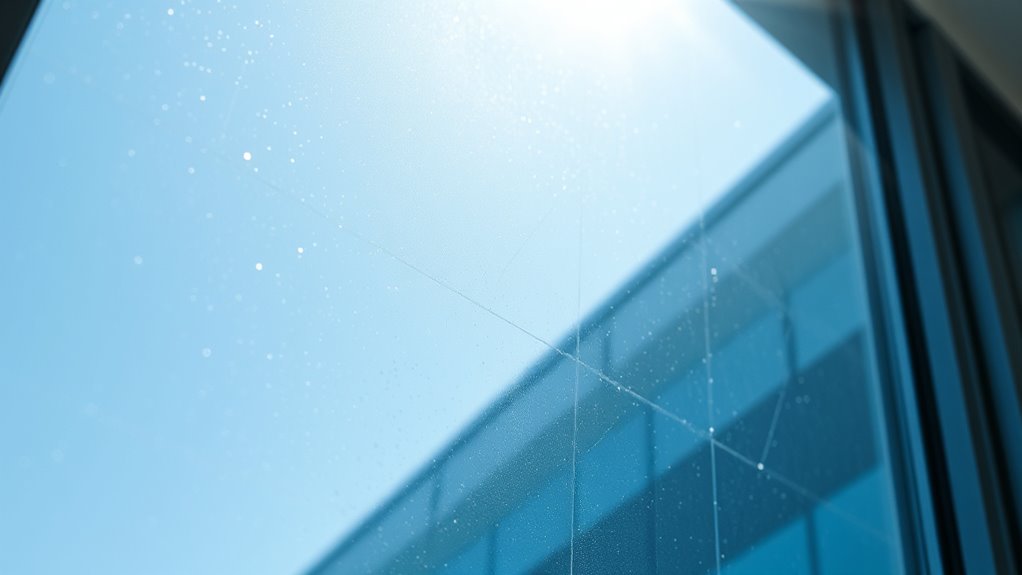
Have you ever wondered if windows could do more than just let in light? The idea of transparent solar panels makes that possible, transforming your windows into energy-generating surfaces without sacrificing visibility. These innovative panels are designed to harness solar power while remaining transparent or semi-transparent, allowing natural light to flow in while producing electricity. The secret lies in advanced materials and clever window integration techniques that optimize solar cell efficiency without compromising the window’s clarity or aesthetic appeal.
Traditional solar panels are highly efficient but are opaque and bulky, making them unsuitable for windows. Transparent solar panels, on the other hand, use specially engineered materials—like organic photovoltaic layers or perovskite cells—that can absorb specific wavelengths of sunlight, such as ultraviolet or infrared, while letting visible light pass through. This selective absorption is vital for maintaining transparency, but it also presents a challenge: balancing solar cell efficiency with the need to keep the window clear. Researchers focus heavily on improving solar cell efficiency by tweaking the composition and layering of these materials. Higher efficiency means more energy generated from the same surface area, which is essential for making these panels viable for widespread use.
Window integration techniques are another essential aspect. To seamlessly incorporate solar technology into building designs, manufacturers develop panels that can be integrated into existing window frames or used as standalone elements. Some techniques involve coating glass with ultra-thin photovoltaic layers, which can be applied during manufacturing or as a retrofit. Others embed photovoltaic cells between layers of glass or transparent polymers, creating a laminated effect that maintains strength and clarity. These methods not only preserve the aesthetic appeal of your windows but also ensure durability and safety. Additionally, the design allows for flexibility in size and shape, enabling customized solutions for different building types.
The goal is to create a harmonious balance—maximizing solar cell efficiency while maintaining the transparency you expect from a window. Through ongoing advancements in materials science and innovative window integration techniques, transparent solar panels are becoming more practical and attractive. They’re not just an environmentally friendly option but also a smart way to utilize every inch of your building for energy production. As these technologies continue to develop, you’ll find that your windows can do more than just frame a view—they can actively contribute to powering your home or office, all while providing the natural light and clarity you need. Additionally, ongoing research in solar cell efficiency is key to making these panels more effective and affordable for widespread adoption.
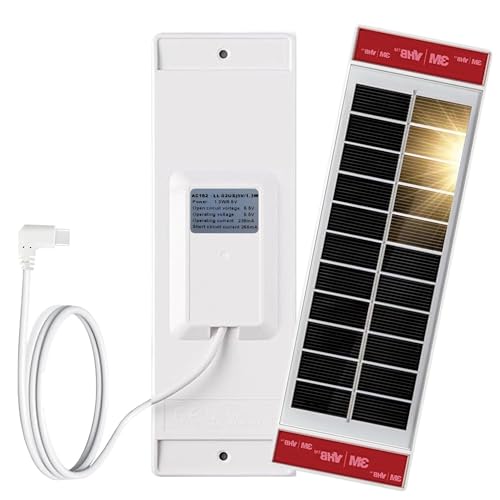
1pcs Solar Panel 1.3W5.5V, Suitable for Electric Blinds Smart Blinds, USB-C Plug Mobile Solar Power Generation, Installed on Window Solar Power Panel
Solar Power: Harness the sun's energy to charge devices with this solar panel, reducing reliance on traditional power…
As an affiliate, we earn on qualifying purchases.
As an affiliate, we earn on qualifying purchases.
Frequently Asked Questions
Are Transparent Solar Panels as Efficient as Traditional Panels?
Transparent solar panels are generally less efficient than traditional panels because their transparency limits the amount of sunlight they capture. In an efficiency comparison, traditional panels still outperform transparent ones. However, transparent solar panels often have a better cost analysis when integrated into buildings, as they serve dual purposes of windows and energy generation. If you’re prioritizing maximum energy output, traditional panels are better, but for aesthetic and functional benefits, transparent options are promising.
Can They Be Installed on Existing Windows Easily?
Installing transparent solar panels on your existing windows is like fitting a custom suit—they can often be added with minimal fuss. However, installation challenges like window frame compatibility and sealing may arise. You should also consider cost considerations, as upgrading windows with solar panels can be pricey initially. Still, the long-term energy savings and eco benefits make it a worthwhile investment. Consult professionals to guarantee smooth installation and maximum performance.
Do They Affect Window Clarity or Visibility?
Transparent solar panels are designed to maintain glass transparency and visual clarity, so they don’t substantially affect your view. You’ll notice minimal change in clarity or brightness, as these panels allow most light to pass through while generating energy. They’re engineered to blend seamlessly with existing windows, ensuring your view remains clear and unobstructed, making them an excellent eco-friendly upgrade without compromising aesthetics or visibility.
What Is the Lifespan of Transparent Solar Panels?
You can expect transparent solar panels to last around 20 to 30 years, but their lifespan depends on durability testing and maintenance requirements. Proper upkeep, like cleaning and inspecting for damage, helps extend their life. Most panels are designed to withstand weather and UV exposure, guaranteeing they continue generating energy efficiently. Regular maintenance ensures peak performance and longevity, making them a reliable, eco-friendly choice for windows over time.
Are They Suitable for All Climate Conditions?
Think of transparent solar panels as chameleons that adapt to their environment. They’re generally suitable for various climates, but their regional feasibility depends on specific conditions. In sunny areas, they perform well, harnessing abundant sunlight. However, in colder or cloudier regions, their efficiency drops slightly. Climate adaptability varies, so you should consider your local weather patterns to determine if they’re the right fit for your windows.

Nanotekas Ceramic Coating Kit for Glass Facades and Solar Panels- Ceramic Glass Facade treatment forms a finishing Coating – Ideal Water & Stain Repellent – Long-Lasting Clarity for Exterior Glass
Ideal for Exterior Glass: Window ceramic coating is designed specifically for building facades and solar panels, this coating…
As an affiliate, we earn on qualifying purchases.
As an affiliate, we earn on qualifying purchases.
Conclusion
Imagine your windows transforming into silent, glowing sentinels that harvest sunlight, turning each beam into clean energy. These transparent solar panels blend seamlessly into your everyday life, like glass windows that whisper secrets of the sun’s power. As they work quietly behind the scenes, they paint a future where your home breathes with sustainable energy, shining brightly without blocking the view—truly windows that not only see the world but also help power it.
embedded photovoltaic glass for windows
As an affiliate, we earn on qualifying purchases.
As an affiliate, we earn on qualifying purchases.

Advances in Nanomaterials for Photovoltaic Applications
As an affiliate, we earn on qualifying purchases.
As an affiliate, we earn on qualifying purchases.