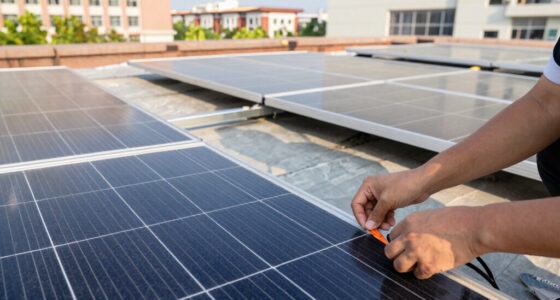
Heavy-duty solar cables might seem simple, but they are essential for your system’s durability and performance. They withstand harsh outdoor conditions like sunlight, moisture, and temperature changes, preventing failures and reducing maintenance costs. Handling and installing them properly guarantees your system stays reliable over time. Their quality and routing directly affect how well your solar setup works long-term. If you want to discover more about making these critical components work best for you, keep going.

Get backup power and energy gear delivered free with Prime
- Fast, free delivery on millions of items
- Prime Video, Amazon Music and more included
- Member-only deals all year
Key Takeaways
- Heavy-duty solar cables are essential for outdoor durability, preventing failures due to exposure to sunlight, moisture, and temperature changes.
- Proper cable selection and management ensure long-term system reliability and reduce costly maintenance and downtime.
- Their robustness allows safe routing through complex or uneven terrains, protecting the system from physical damage.
- Correct installation practices extend the lifespan of solar systems by preventing damage from improper handling or routing.
- Investing in high-quality, durable cables is vital for maximizing system performance and overall solar investment value.
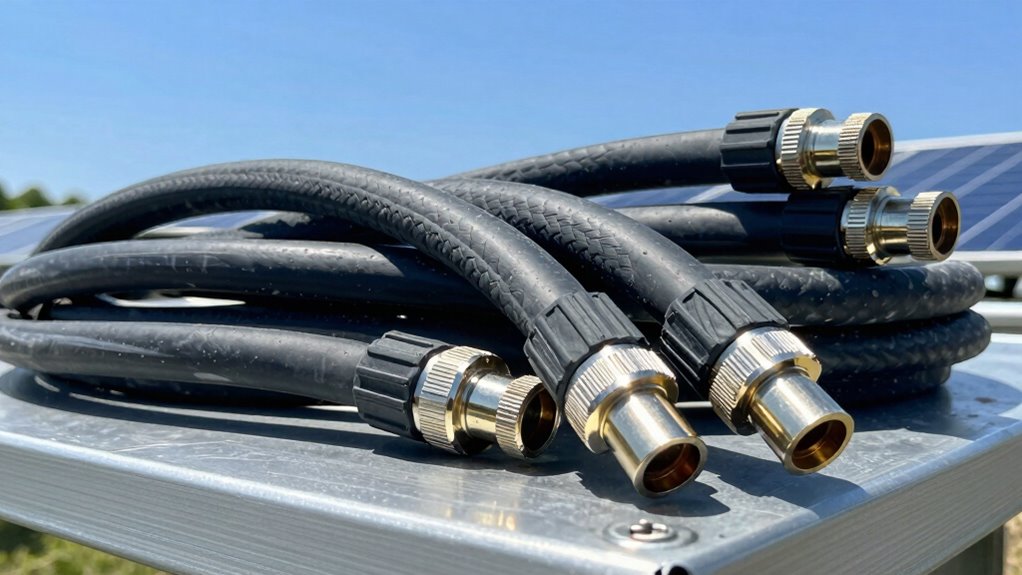
When it comes to solar power installations, heavy-duty solar cables are essential for ensuring reliable and efficient energy transfer. These cables aren’t just ordinary wires; they’re designed to withstand the demanding conditions of outdoor environments and long-term use. The durability of these cables is crucial because they encounter exposure to sunlight, moisture, temperature fluctuations, and physical stress. If you choose cables with poor durability, you risk frequent failures, increased maintenance, and potential downtime, all of which can significantly impact the overall efficiency of your solar system. Investing in high-quality, heavy-duty cables ensures your system maintains optimal performance over its lifespan, saving you money and hassle in the long run.
However, selecting the right heavy-duty solar cables isn’t just about durability. Installation challenges can also play a significant role in the success of your setup. These cables are often thicker and less flexible than standard electrical wires, which means they can be more difficult to handle and route through tight spaces or complex setups. You need to plan carefully for proper cable management to avoid damage during installation. Improper routing or forced bending can compromise the cable’s integrity, undermining its durability and potentially causing failures. Additionally, ensuring that the cables are properly rated for outdoor use and UV exposure is vital to prevent premature wear. Often, the installation process involves working in outdoor environments with uneven terrain, which may require additional protective measures like conduits or secure fastenings. Proper planning and outdoor cable requirements are essential to prevent damage and ensure long-term system integrity. Recognizing the importance of cable durability can help you choose the right components and avoid costly repairs. Overcoming these challenges demands a precise approach, knowledge, and sometimes specialized tools, which can make installation more complex and time-consuming. Understanding outdoor cable requirements is vital for a successful solar installation.
Despite these hurdles, the importance of heavy-duty solar cables cannot be overstated. They form the backbone of your entire solar power system, connecting panels to inverters, batteries, and other components. When installed correctly, with attention to cable durability and proper routing, they ensure your system operates smoothly and efficiently. However, neglecting these factors can lead to costly repairs and system failures down the line. So, while these cables might seem like a small detail in the grand scheme of solar installation, they’re actually a critical element that deserves careful consideration. Proper selection and installation not only improve system reliability but also extend its lifespan, making your investment in solar power more worthwhile.
Products Worth Considering

eufy Security SoloCam S340 3K Dual-Lens Solar Security Camera

Dyson V15 Detect Cordless Stick Vacuum

Samsung 65-Inch M70H Series 4K Mini LED Smart TV (2026)
As an affiliate, we earn on qualifying purchases.
Frequently Asked Questions
How Long Do Heavy-Duty Solar Cables Typically Last?
Heavy-duty solar cables usually last 25 to 30 years, thanks to their high cable durability and resistance to weathering. However, the lifespan can be affected by installation challenges like improper connections or exposure to extreme conditions. You should regularly inspect your cables and guarantee proper installation to maximize their durability. Proper maintenance helps you avoid early failures and get the most out of your investment in solar power.
Are Heavy-Duty Solar Cables Environmentally Eco-Friendly?
Think of heavy-duty solar cables as the backbone of your eco-friendly setup—they’re designed with environmental impact in mind. You’ll find many crafted from eco-friendly materials that reduce harm to the planet. These cables aim to minimize waste and energy use, making them a greener choice. While no cable is perfectly eco, investing in heavy-duty options helps you lower your carbon footprint and support sustainable energy solutions.
Can Heavy-Duty Solar Cables Be Reused or Recycled?
Yes, you can reuse or recycle heavy-duty solar cables. Their cable insulation can often be preserved during reuse if undamaged, allowing for multiple uses. When recycling, the cables undergo specialized recycling processes that separate the insulation from the conductors, making it easier to recover valuable materials. Proper disposal and recycling help reduce waste and environmental impact, ensuring these robust cables contribute to a more sustainable solar energy system.
What Are the Safety Standards for These Cables?
You need to know that heavy-duty solar cables follow strict safety standards to guarantee insulation integrity and fire safety. These standards are like a fortress protecting your system, requiring durable insulation, proper grounding, and weather resistance. Manufacturers must comply with certifications like UL and IEC, verifying that cables can withstand harsh conditions without risking fires or failures. Always choose cables that meet these rigorous safety standards for your solar setup.
How Do Heavy-Duty Cables Compare in Cost to Standard Cables?
You’ll find that heavy-duty solar cables typically cost more than standard cables due to their enhanced durability and safety standards. In a cost comparison, they might seem pricier upfront, but they often save you money in the long run by lasting longer and reducing maintenance needs. When considering budget considerations, it’s essential to weigh the initial investment against their reliability and performance, ensuring you choose cables that meet your project’s demands.
Conclusion
Now that you understand the importance of heavy-duty solar cables, don’t overlook their role in your solar setup’s success. They might seem like just a small part of the system, but their durability and performance are critical for safety and efficiency. Are you willing to risk your investment with subpar cables? Choosing the right heavy-duty solar cables guarantees your solar energy system runs smoothly and lasts longer. After all, isn’t your energy future worth the best?