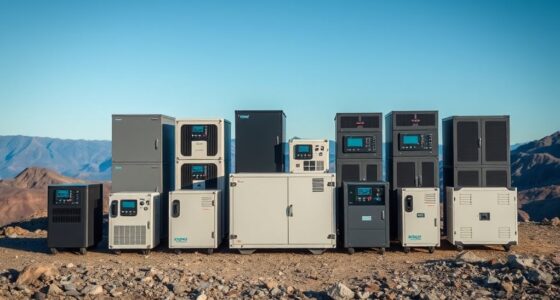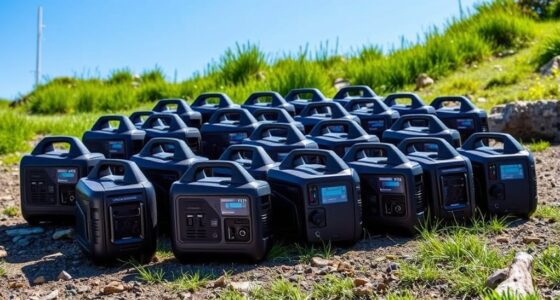
If you’re looking to upgrade your home energy system in 2026, this checklist is designed for homeowners, DIY enthusiasts, and anyone interested in sustainable power solutions. Whether you’re just starting out or expanding an existing setup, understanding the essentials can help you make smarter choices.

Get backup power and energy gear delivered free with Prime
- Fast, free delivery on millions of items
- Prime Video, Amazon Music and more included
- Member-only deals all year
This guide is organized into key categories: solar panels, charge controllers, backup generators, and more. Each section features a carefully selected product recommendation along with practical buying tips. Use this checklist to identify what fits your energy needs and to avoid common pitfalls like mismatched components or overlooked compatibility issues.
While shopping, consider your home’s energy demands, available space, and budget. Pay attention to product specifications such as wattage, voltage compatibility, and system integration. Remember, the right components work together seamlessly to maximize efficiency and reliability—so take your time to compare options and consult product details thoroughly.
Solar Panels
Choosing the right solar panel is a foundational step in creating a dependable home energy system. The Zoupw 480W Bifacial Portable Solar Panel N-Type 16BB Foldable Waterpro stands out for its high wattage, portability, and innovative bifacial design, which captures sunlight from both sides for increased efficiency. This type of panel is ideal for homeowners seeking flexibility, whether for rooftop installation or portable applications. When selecting solar panels, always verify their wattage, compatibility with your inverter and battery system, and durability against weather conditions. Common mistakes include underestimating energy needs or selecting panels that don’t match system voltages. Proper sizing ensures your system can meet your daily power consumption, while choosing reputable brands can help avoid early failures.
In terms of fit, always check the dimensions and mounting options of panels to ensure they suit your available space. Bifacial panels are especially effective if you have reflective surfaces or optimal sun exposure. Remember, quality matters—look for panels with good warranties and proven track records. Installing panels at the correct tilt and angle maximizes sunlight capture, boosting overall system performance.
What to look for:
- High wattage output (e.g., 480W or above)
- Bifacial design for increased efficiency
- Durable, weather-resistant materials
- Compatibility with existing or planned inverter systems
- Reasonable size for your installation space
Zoupw 480W Bifacial Portable Solar Panel N-Type 16BB Foldable Waterproof for Pow
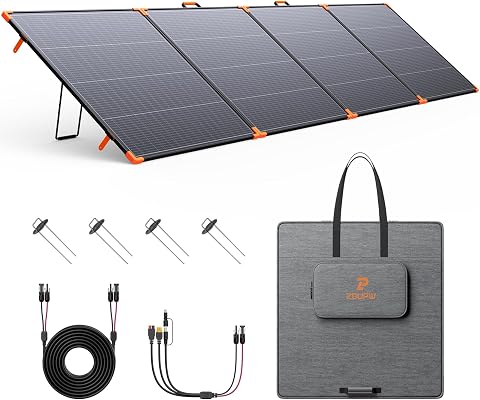
This 480W bifacial solar panel features advanced N-Type 16BB cells with 25% efficiency, capturing sunlight from both sides for increased power output. It is lightweight, foldable, and IP68 waterproof, making it ideal for off-grid use with power stations, RVs, or home backup systems.
Pros:
- High 25% efficiency with bifacial design for increased power output
- Lightweight and foldable for easy portability and quick setup
- IP68 waterproof rating ensures durability in harsh weather conditions
- Replaces multiple traditional panels, saving space and weight
Cons:
- Not recommended for long-term fixed, series, or parallel connections
- Requires careful handling to avoid damaging the solar cells
- Partial shading can reduce efficiency
Best for: Homeowners needing portable or versatile solar options
Not ideal for: Limited space or fixed rooftop installations
Bottom line: Choose panels that balance power, durability, and compatibility.
Inverters
Inverters play a crucial role in converting the DC power generated by your solar panels into usable AC power. When selecting an inverter, focus on its capacity, efficiency, and compatibility with your system’s voltage and wattage. A high-quality inverter ensures your system runs smoothly and safely, preventing issues like power fluctuations or system shutdowns. Common buying mistakes include selecting an inverter with insufficient capacity or ignoring the need for surge protection. Always match the inverter’s wattage rating to your solar array’s output and your household’s energy needs to avoid overloads or underperformance.
Additionally, consider whether you want a string inverter, microinverters, or hybrid options based on your system size and complexity. Proper sizing and compatibility are key to maximizing your system’s lifespan and efficiency. It’s also wise to check for features like monitoring capabilities and warranty coverage, which can save you headaches down the line.
What to look for:
- Adequate wattage capacity for your solar array
- High efficiency rating
- Compatibility with your battery and system voltage
- Built-in surge and safety protections
- Monitoring and remote access features
Battery Storage
Battery storage is essential for maximizing your home’s energy independence and resilience. Although specific products aren’t listed here, it’s important to consider the capacity, chemistry, and compatibility of your batteries. Lithium-ion batteries are popular for their longevity and efficiency, but ensure they are compatible with your inverter and charge controller. Proper sizing of your battery bank prevents under- or overcharging, which can impact performance or lifespan. Common mistakes include oversizing batteries based on future expectations or underestimating your daily energy use.
When choosing batteries, pay attention to their cycle life, discharge depth, and warranty coverage. Compatibility with your charge controller and inverter is a must; otherwise, you risk system failures or safety issues. Think about your backup goals—whether for short outages or extended independence—and size your storage accordingly. Proper installation and regular maintenance will keep your system running smoothly for years to come.
What to look for:
- Compatibility with your charge controller and inverter
- Sufficient capacity for your daily energy needs
- Long cycle life and good warranty
- Safe and reliable chemistry (e.g., lithium-ion)
- Ease of installation and maintenance
Charge Controllers
The Renogy 60A MPPT Solar Charge Controller is a powerful tool for optimizing your solar system’s performance. MPPT (Maximum Power Point Tracking) technology ensures you extract the maximum possible energy from your panels, especially in variable sunlight conditions. This controller is versatile, supporting 12V, 24V, 36V, and 48V systems, making it suitable for a wide range of setups. When selecting a charge controller, always verify its current and voltage ratings match or exceed your system requirements to prevent overloads or inefficiencies.
Many buyers make the mistake of choosing controllers with insufficient amperage, which can lead to system shutdowns or damage. Proper sizing involves understanding your solar array’s total wattage and ensuring the controller can handle the maximum current. Additionally, look for features like temperature compensation, LED indicators, and remote monitoring options to keep your system operating smoothly. Properly installed, a good charge controller will extend your battery life and improve overall system efficiency.
What to look for:
- Amperage rating of at least 60A
- Compatibility with your system voltage
- MPPT technology for maximum efficiency
- Temperature compensation features
- Ease of installation and clear indicators
Renogy 60A MPPT Solar Charge Controller for 12V/24V/36V/48V Systems
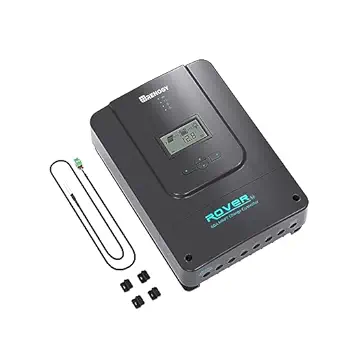
The Renogy 60A MPPT Solar Charge Controller efficiently manages solar power systems, supporting various battery types including gel, sealed, flooded, and lithium. It features an LCD display, advanced algorithms for maximum energy harvest, and protections against lightning and reverse polarity, making it suitable for RVs, off-grid cabins, and marine setups.
Pros:
- High efficiency MPPT technology with 99.9% multi-peak tracking
- Supports multiple battery types including lithium with lithium reactivation
- Robust protections against lightning, reverse polarity, and overload
- LCD display with real-time data and 1-year logging
Cons:
- Requires understanding of solar system setup for optimal use
- Some features like remote monitoring require additional modules
- Price may be higher compared to basic controllers
Best for: Systems with multiple panels or variable sunlight conditions
Not ideal for: Small, simple setups with minimal panels
Bottom line: Choose a controller that matches your system’s size and offers robust features.
Backup Generators
The OSCAL PowerMax 6000 Solar Generator offers a versatile backup power solution, especially when paired with the included 3x400W solar panels. This portable generator provides 6000W of power, making it suitable for essential appliances during outages. Its solar panel integration allows for renewable energy charging, reducing reliance on traditional fuel sources. When evaluating backup generators, consider your power needs—both in terms of wattage and runtime—and ensure the generator can handle your critical loads. Many buyers overlook the importance of sufficient solar input capacity, which can limit how quickly the generator recharges during the day.
Common mistakes include underestimating power requirements or choosing a generator that isn’t compatible with your solar setup. Look for models with ample wattage, multiple outlets, and safety features like overload protection. Portability, ease of refueling, and battery capacity are important factors to ensure your system can serve your backup needs reliably. Proper planning and understanding your power profile will help you select the best generator for your home.
What to look for:
- Wattage capacity of at least 6000W
- Compatibility with multiple solar panels
- Multiple AC and USB outlets
- Safety features like overload protection
- Portability and ease of recharge
OSCAL PowerMax 6000 Solar Generator with 3x400W Solar Panels, 6000W (9000W Peak)

The OSCAL PowerMax 6000 is a portable solar generator with a 3600Wh capacity, capable of delivering 6000W continuous power and up to 9000W surge. It features fast charging, a durable LiFePO4 battery with a long lifespan, and multiple outlets suitable for emergency, camping, or outdoor use.
Pros:
- High power output suitable for various appliances and devices
- Fast charging capability reduces downtime
- Long-lasting LiFePO4 battery with extensive cycle life
- Includes solar panels for renewable energy use
Cons:
- Relatively heavy at 45.5 kg, may be less portable
- Higher price point may be a barrier for some users
- Complex setup for beginners
Best for: Homes needing reliable backup power during outages
Not ideal for: Small or infrequent power needs
Bottom line: Choose a generator that matches your power and recharge capacity.
Monitoring Systems
When building your home solar and backup power system, start with a clear understanding of your energy needs and available space. Prioritize quality components that work seamlessly together, and don’t forget to consider future expansion possibilities. A well-chosen setup can provide peace of mind, cost savings, and a greener lifestyle.
Remember, the best systems are built gradually—so take your time comparing options, reading specifications carefully, and consulting with experts if needed. With the right tools and knowledge, you’re well on your way to a more resilient and sustainable home energy solution in 2026.