
When choosing between EPS and UPS, you should understand that UPS units provide longer backup times, continuous power regulation, and advanced monitoring features that protect your equipment from surges and dips. EPS systems are designed for short-term emergency power mainly for critical needs during outages. Knowing each system’s capabilities helps you pick the right one for your backup needs. Keep going to discover more details that can guarantee your equipment stays protected when power fails.
Key Takeaways
- Understand the backup duration: UPS offers longer, continuous power, while EPS provides short-term emergency support.
- Recognize power management features: UPS includes voltage regulation, monitoring, and power conditioning; EPS typically lacks these.
- Consider equipment protection needs: UPS safeguards sensitive devices from surges and fluctuations, essential for long-term equipment health.
- Evaluate integration capabilities: UPS supports automatic switching and remote management, unlike standalone EPS systems.
- Match system choice to application: Use UPS for ongoing power stability; choose EPS for emergency backup during outages.

Are you aware of the key features that distinguish EPS (Emergency Power Supply) and UPS (Uninterruptible Power Supply) systems? Understanding these differences is crucial for choosing the right power solution for your needs. Both systems are designed to protect your equipment during power disruptions, but they serve different purposes and come with unique features. One of the main aspects to contemplate is their battery backup capabilities. A UPS provides immediate battery backup when the main power fails, giving you enough time to save your work and shut down devices safely. EPS, on the other hand, usually offers a shorter or more limited backup period, primarily intended for emergency situations where critical power is needed temporarily. Knowing how long each system can sustain your devices during outages helps you decide which is best for your setup. Additionally, some systems incorporate protective styling benefits that can help preserve the integrity of your equipment over time. This can be especially important in environments where environmental factors influence equipment longevity.
Power management is another essential feature that separates EPS and UPS systems. UPS units often come equipped with sophisticated power management options, such as automatic voltage regulation and monitoring software. These features help maintain a steady power flow, protecting sensitive equipment from surges, voltage dips, and power fluctuations. This level of control ensures your devices operate smoothly, reducing the risk of damage or data loss. UPS systems also often include power conditioning that can filter out electrical noise, further protecting your equipment. Some UPS units also feature battery management systems that extend battery life and optimize performance. It is also important to consider system integration capabilities, as these can influence how well the UPS aligns with your existing setup. EPS systems, however, are generally simpler, focusing on delivering emergency power without extensive power management functionalities. They are designed to kick in during critical moments, but they usually don’t offer the same level of ongoing power regulation or monitoring as UPS systems do.
You should also regard how each system integrates into your overall power management strategy. UPS units are often connected directly to your network or computers, enabling seamless, automatic switching when power is lost. Many models support remote management and alert features, so you’re always aware of system status. EPS systems tend to be more standalone and are often used in larger, industrial settings where emergency power distribution is critical. They might not offer the same level of user-friendly management features but are built for reliability in emergency scenarios. Proper consideration of power source compatibility and installation requirements can further ensure reliable operation of your chosen system.
Ultimately, understanding these features helps you make an informed decision. If you want continuous, clean power with robust management capabilities, a UPS is typically the better fit. If your priority is emergency backup for essential functions during outages, then an EPS system might be more suitable. In either case, knowing how each system’s battery backup and power management features work allows you to ensure your equipment stays protected when it matters most.
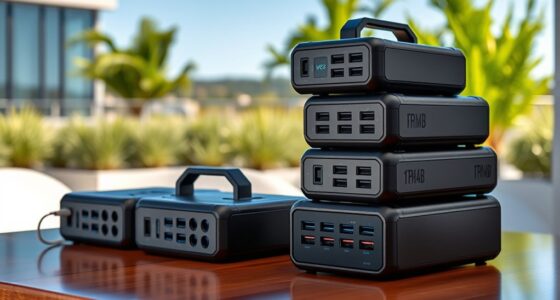
Uninterruptible Power Supply UPS with voltage regulation
As an affiliate, we earn on qualifying purchases.
As an affiliate, we earn on qualifying purchases.
Frequently Asked Questions
How Do EPS and UPS Differ in Power Supply Backup?
EPS and UPS differ mainly in how they provide backup power. An EPS supplies power during outages with a focus on power efficiency and often has a longer battery lifespan, ensuring reliable backup over time. A UPS not only offers backup but also conditions power, protecting against surges. You’ll find EPS ideal for continuous, efficient operation, while UPS is better for immediate, short-term backup and equipment protection.
What Maintenance Is Required for EPS and UPS Systems?
You need to stay ahead of potential failures; regular maintenance is essential. Check battery longevity and perform scheduled inspections of your EPS and UPS systems to guarantee they’re ready when needed. Replace batteries as recommended, usually every 3-5 years, and keep an eye on system performance. A proactive maintenance schedule prevents unexpected downtime, safeguarding your equipment and data, so stay vigilant and keep your backup power in top shape.
How Do I Choose the Right EPS or UPS Capacity?
To choose the right EPS or UPS capacity, consider your equipment’s power needs and potential future expansion. Check the battery lifespan to guarantee reliable backup over time, and prioritize models with high power efficiency to save energy costs. Measure your critical load requirements accurately, and select a system that offers a bit more capacity than your current needs, ensuring smooth operation during outages and avoiding overloads.
What Are the Typical Costs of EPS Versus UPS?
Did you know that UPS systems typically cost between $100 and $500, while EPS systems can range from $1,000 to over $10,000? Your choice impacts battery lifespan and cost optimization. UPS units are usually more affordable upfront, but EPS systems often offer longer-term savings through durability and efficiency. Consider your budget, power needs, and long-term goals to determine which option provides the best value for your investment.
Can EPS and UPS Systems Be Integrated With Existing Infrastructure?
Yes, EPS and UPS systems can be integrated with your existing infrastructure, but you need to evaluate battery lifespan and installation requirements. Properly examining your current setup guarantees compatibility, and professional installation helps optimize performance. Keep in mind that integrating these systems may involve upgrades to your power distribution or cooling systems, so plan accordingly to maximize reliability and lifespan, avoiding potential disruptions during and after installation.
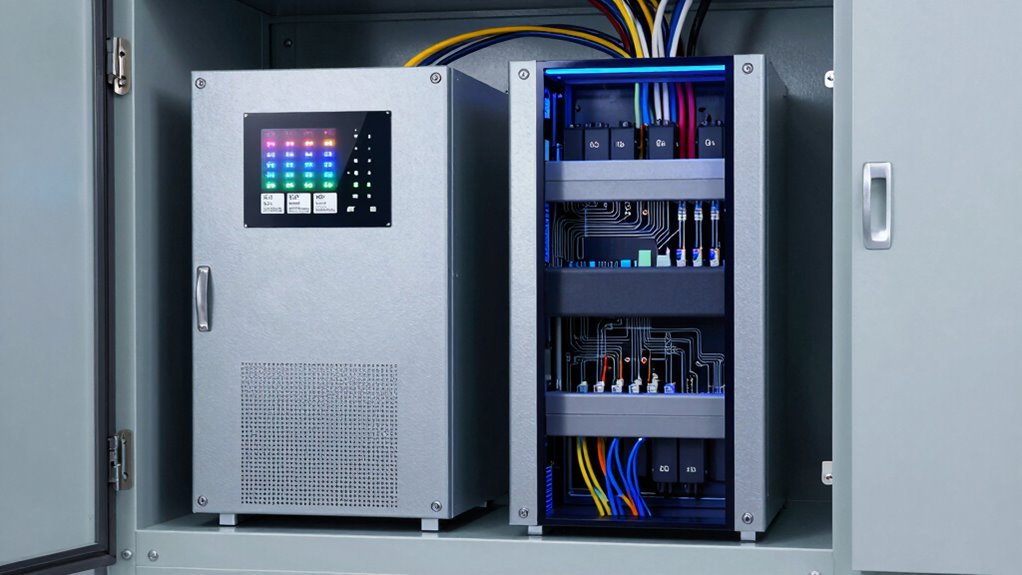
Emergency Power Supply EPS for critical devices
As an affiliate, we earn on qualifying purchases.
As an affiliate, we earn on qualifying purchases.
Conclusion
Now that you understand the essential differences between EPS and UPS features, imagine what could happen if you choose the wrong one. Will your system withstand power surges or sudden outages? The right choice not only protects your equipment but keeps your peace of mind intact. Don’t leave your setup vulnerable—dive deeper, ask questions, and make an informed decision. Because in the end, the unseen power you select could be the difference between stability and chaos.
As an affiliate, we earn on qualifying purchases.
As an affiliate, we earn on qualifying purchases.