
The best non-lithium batteries depend on whether you value long storage, lower-waste recharging, or a large supply for basic devices. I name Duracell Coppertop AA alkaline my best overall pick for broad everyday use, while Amazon Basics 2400 mAh rechargeable NiMH suits frequent-use devices and the Fuspower 100-pack carbon-zinc suits buyers who need many cells for low-drain equipment. Alkaline batteries generally offer a practical balance of shelf storage and versatility, carbon-zinc cells are better matched to modest power demands, and rechargeable NiMH cells call for a charger and regular use to make sense. Capacity, device compatibility, and how long batteries sit unused all affect the right choice. Read on for the full breakdown of these 10 options and how I rank them.

Get backup power and energy gear delivered free with Prime
- Fast, free delivery on millions of items
- Prime Video, Amazon Music and more included
- Member-only deals all year
Key Takeaways
- Duracell Coppertop AA alkaline takes the overall lead because this lineup’s alkaline picks offer a more versatile everyday choice than carbon-zinc batteries.
- Amazon Basics 2400 mAh NiMH is the rechargeable option for frequent use; the 2000 mAh version is a distinct alternative when buyers favor a lower stated capacity over the higher-capacity pack.
- Fuspower’s 100-pack carbon-zinc stands apart for bulk supply, but its chemistry is better suited to low-drain devices than demanding electronics.
- Panasonic’s AA carbon-zinc options come in different pack sizes, so buyers can choose a small quantity or larger supply without treating them as equivalent to alkaline cells.
- RadioShack’s 10-year storage warranty makes its alkaline pack relevant for backup storage, while Energizer and Duracell provide larger alkaline quantities for routine use.



| non-lithium batterie | Voltage | Quantity | Reusability | Size |
|---|---|---|---|---|
| RadioShack Alkaline AA Batteri | 1.5V | 24 batteries | Single use | AA |
| Panasonic Super Heavy Duty AA | 1.5V | 20 batteries | — | AA |
| Panasonic Heavy Duty AA Carbon | 1.5V | 4 batteries | Single use | AA |
| Amazon Basics 16-Pack Recharge | 1.2V | 16 batteries | — | AA |
| Panasonic Heavy Duty AA Batter | 1.5V | 4 batteries | Single use | AA |
| Fuspower AA Carbon Zinc Batter | 1.5V | 100 batteries | Single use | — |
| Duracell Coppertop AA Alkaline | 1.5V | 48 batteries | Single use | — |
| Panasonic AAA Batteries | 1.5V | 16 batteries | Single use | — |
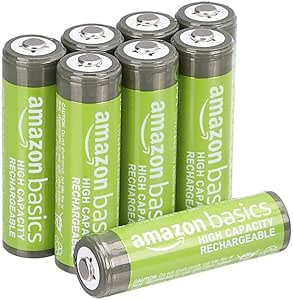
| Amazon Basics 8-Pack Rechargea | 1.2V | 8 batteries | — | — |
| Energizer Alkaline Power AA Ba | — | — | Single use | — |
More Details on Our Top Picks
RadioShack Alkaline AA Batteries, Mercury & Cadmium Free, 10-Year Storage Warranty, 1.5V, 24 Pack
For a household wanting non-lithium AA batteries for mixed everyday use, this RadioShack alkaline pack offers a practical balance of quantity, voltage, and storage life. Its 1.5V alkaline chemistry suits common devices such as remotes, toys, and flashlights, while the 24-count leaves spares available without buying a large bulk case. The stated 10-year storage warranty also makes it a more suitable backup supply than the Panasonic carbon-zinc packs, which are aimed at low-drain devices and provide no comparable storage claim here.
The tradeoff is that these are single-use batteries, so frequent use can mean repeated replacements and more packaging waste. They also aren’t the rechargeable choice in this group; Amazon Basics NiMH batteries can be reused, but require a compatible charger and operate at 1.2V. I’d choose RadioShack for broad household convenience, not for devices that consume batteries quickly.
Pros:- 1.5V alkaline chemistry fits a wide range of common AA devices
- 10-year storage warranty supports keeping a spare supply on hand
- 24 batteries provide a useful household quantity
- Mercury- and cadmium-free composition
Cons:- Single-use design creates ongoing replacement needs
- Packaging may add waste compared with rechargeable options
Best for: Households that want a versatile AA backup supply for remotes, toys, and flashlights, with batteries kept in storage for occasional use.
Not ideal for: People who run high-use devices and want to recharge batteries repeatedly, or buyers seeking a carbon-zinc battery specifically.
- Size:AA
- Chemistry:Alkaline
- Voltage:1.5V
- Capacity:3000 mAh
- Quantity:24 batteries
- Reusability:Single use
- Storage claim:10-year storage warranty
Our verdict“Choose this pack for a versatile, storable supply of single-use AA batteries; choose Amazon Basics NiMH instead if recharging matters more.”
Panasonic Super Heavy Duty AA Carbon Zinc Batteries, 1.5V, 20 Count
This Panasonic pack is the most targeted choice here for low-drain AA devices such as clocks, radios, and simple remote controls. Its carbon-zinc chemistry is a non-lithium option, and the 20-battery count gives buyers a larger supply than the four-packs in this lineup. The package is also described as easy to open, a modest but useful convenience when replacing several cells.
The main limitation is the intended workload: Panasonic specifies these for low-drain use, so I wouldn’t pick them for power-hungry toys or flashlights when a broader-use alkaline option like the RadioShack 24-pack is available. They are also single-use, unlike the rechargeable Amazon Basics NiMH pack. This makes the Panasonic a sensible fit when the device is simple, battery demand is modest, and a larger carbon-zinc supply is the priority—not when runtime under heavy use is the deciding factor.
Pros:- Designed for low-drain devices such as clocks and radios
- 20-count pack offers more cells than the four-pack alternatives
- No added mercury, cadmium, or lead
- Easy-open packaging
Cons:- Low-drain positioning limits suitability for demanding devices
- Single-use chemistry requires replacement rather than recharging
Best for: People replacing batteries in low-drain clocks, radios, and remote controls who want a 20-cell carbon-zinc supply.
Not ideal for: Users powering high-drain toys or flashlights, or anyone who wants rechargeable cells or a long-term storage claim.
- Size:AA
- Chemistry:Zinc carbon
- Voltage:1.5V
- Quantity:20 batteries
- Height:50.25 mm
- Diameter:13.9 mm
- Weight:17.5 g
Our verdict“Pick this Panasonic pack for multiple low-drain devices; for more general household use, the RadioShack alkaline pack is the more flexible fit.”
Panasonic Heavy Duty AA Carbon Zinc Batteries, 4-Pack, 1.5V
Among the carbon-zinc choices here, this Panasonic four-pack is the straightforward option for someone who needs just a few AA cells rather than a household stockpile. Each battery supplies 1.5 volts, and the listing specifies single-use operation, keeping the choice simple for a basic replacement need. Compared with Panasonic’s 20-count Super Heavy Duty pack, this smaller pack avoids leaving a large supply on hand when only a few batteries are needed.
That convenience comes with less buying flexibility: the four-cell count is a poor match for several devices or frequent replacements, and the product information gives unclear expiration-date guidance, including a reference to 2019 or later. It also lacks the alkaline chemistry and stated 10-year storage warranty of the RadioShack pack. I’d favor it for a small, immediate carbon-zinc replacement, but not as a dependable long-term household reserve.
Pros:- Four-cell quantity suits a small replacement need
- Standard AA size
- 1.5V output
- Carbon-zinc chemistry for devices specified to use it
Cons:- Single-use batteries cannot be recharged
- Expiration-date information is unclear
- Four cells may be insufficient for multiple devices or frequent replacements
Best for: Buyers who need a few standard AA carbon-zinc batteries for a specific replacement and don’t want a larger pack.
Not ideal for: Households stocking up for multiple devices or anyone who needs clear shelf-life information and a long-term storage claim.
- Size:AA
- Chemistry:Carbon zinc
- Voltage:1.5V
- Quantity:4 batteries
- Reusability:Single use
- Model number:5642
- Weight:8.53 g
Our verdict“Choose this pack for a small, immediate carbon-zinc replacement; Panasonic’s 20-count pack is a better fit when you need several spares.”
Amazon Basics 16-Pack Rechargeable AA NiMH Batteries, 2000 mAh
This is the clear choice in the group for buyers who want to reduce repeated battery replacement: the AA NiMH cells are rechargeable up to 1,000 times and arrive pre-charged. A 16-pack can outfit several household devices, while the stated capacity retention—about 80% after two years in storage—gives them more reserve value than many rechargeable cells kept unused. Compared with the single-use RadioShack alkaline and Panasonic carbon-zinc options, these batteries are better suited to devices that see regular use.
The tradeoff is their 1.2V output, lower than the 1.5V rating of the disposable options, and they need a compatible NiMH charger. That makes them less convenient for occasional use or devices sensitive to voltage. The 2000 mAh capacity is also lower than the listed capacity of the RadioShack alkaline cells. I’d choose this pack for repeated use, not for a no-maintenance emergency drawer.
Pros:- Rechargeable up to 1,000 times
- 16-cell pack covers several household devices
- Arrives pre-charged and ready to use
- Retains about 80% capacity for two years in storage
Cons:- 1.2V output is below the 1.5V rating of the alkaline and carbon-zinc options
- Requires a compatible NiMH charger
- Listed 2000 mAh capacity is below the RadioShack alkaline pack’s stated 3000 mAh
Best for: Households with frequently used AA devices and a compatible NiMH charger that want reusable cells in a larger pack.
Not ideal for: People without a NiMH charger, or users whose devices need 1.5V cells or sit unused for long stretches.
- Size:AA
- Chemistry:NiMH
- Quantity:16 batteries
- Capacity:2000 mAh
- Voltage:1.2V
- Recharge cycles:Up to 1,000
- Capacity retention:About 80% for 2 years
- Shelf life:Up to 5 years
- Warranty:1 year
Our verdict“Choose these for frequently used devices and repeated recharging; choose RadioShack alkaline cells for simpler 1.5V disposable replacements.”
Panasonic Heavy Duty AA Batteries, 4-Pack
This Panasonic four-pack earns a narrow role: it is intended for equipment that specifically calls for carbon-zinc AA batteries. That makes it more appropriate than the RadioShack alkaline pack when matching the device’s stated chemistry matters, while its 1.5V output and standard AA format keep the replacement straightforward. The four-cell quantity suits a single small replacement job better than Panasonic’s 20-count Super Heavy Duty pack, which makes more sense for several low-drain devices.
There is little flexibility beyond that use. These batteries are single-use, and the product data does not offer a storage-life claim or a capacity figure to help buyers plan long-term reserves. They are also not the pick for equipment that specifies alkaline or rechargeable cells. I’d buy them when a device manual calls for carbon-zinc chemistry; for general household use, RadioShack’s alkaline pack offers a broader stated range of applications.
Pros:- Designed for equipment requiring carbon-zinc AA cells
- Standard AA size
- 1.5V output
- Four-cell pack suits a small replacement job
Cons:- Single-use design requires replacement after depletion
- Not suitable for devices that require a different battery chemistry
- No capacity or storage-life claim is provided in the product data
Best for: Owners of equipment whose instructions specifically call for carbon-zinc AA batteries and who need four replacement cells.
Not ideal for: Buyers seeking rechargeable batteries, a bulk supply, or a flexible option for devices that specify another chemistry.
- Size:AA
- Chemistry:Zinc carbon
- Quantity:4 batteries
- Voltage:1.5V
- Reusability:Single use
- Compatible devices:Equipment requiring carbon-zinc AA batteries
- Item dimensions:3 x 0.5 x 4 inches
Our verdict“Choose this Panasonic pack when your equipment specifically requires carbon-zinc cells; for broader household compatibility, the RadioShack alkaline pack is the safer fit.”
Fuspower AA Carbon Zinc Batteries, 1.5V, 100 Pack
For households that keep several low-drain AA devices running, the Fuspower pack stands out for its 100-cell quantity and carbon zinc chemistry. That makes it a better fit for remotes, clocks, calculators, and keyboards than for power-hungry toys or flashlights. Compared with Panasonic Super Heavy Duty AA Carbon Zinc Batteries, the main distinction here is pack size: Fuspower supplies far more cells at once, though the provided data does not establish a runtime advantage. Its stated low self-discharge and leak-resistant design suit users who want spares stored around the home, and the cells are mercury- and cadmium-free. The tradeoff is that these are single-use batteries, and their chemistry is less versatile than alkaline for devices with higher current demands.
Pros:- 100 batteries provide a large supply for frequently used low-drain devices.
- 1.5V AA format fits many common household electronics.
- Manufacturer describes the cells as leak-resistant and low self-discharge.
- Free of mercury and cadmium, according to the product description.
Cons:- Single-use cells create ongoing replacement needs and battery waste.
- Carbon zinc chemistry may deliver less suitable performance in high-drain devices than alkaline.
- A 100-cell pack may be excessive for households with few AA devices.
Best for: Households and small offices that use many AA-powered remotes, clocks, calculators, or keyboards and want a large supply of single-use cells.
Not ideal for: People powering high-drain devices or seeking rechargeable batteries; carbon zinc is not suited to every device, and this pack cannot be reused.
- Battery type:AA carbon zinc
- Voltage:1.5V
- Capacity:1000 mAh
- Quantity:100 batteries
- Reusability:Single use
- Battery weight:3.2 lb
- Dimensions:1.93 x 0.57 x 0.57 in
- Warranty:1 year
Our verdict“Choose Fuspower for a large stock of AA cells for low-drain household devices, but pick alkaline or rechargeable batteries for demanding electronics or repeat use.”
Duracell Coppertop AA Alkaline Batteries, 1.5V, 48 Count
The Coppertop pack is the stronger choice for buyers who want alkaline AA cells with a stated storage life of up to 10 years. Its 48 batteries offer a sizable reserve for household devices, while alkaline chemistry gives it a broader use case than the carbon zinc Fuspower and Panasonic options in this roundup. That flexibility is useful when the same stash may serve remotes one day and other everyday electronics later. Compared with the Energizer Alkaline Power AA 32-pack, Duracell includes more batteries; both list up to 10 years of storage life, so pack size is the clearest distinction in the supplied details. The main compromise is familiar: these are single-use batteries, not a reusable choice, and no capacity figure is provided for direct runtime comparison.
Pros:- Up to 10 years of stated storage life makes it suitable for stocking spares.
- 48 AA batteries provide a substantial household supply.
- Alkaline chemistry offers a broader everyday-device fit than carbon zinc options.
- Standard 1.5V AA format suits compatible devices.
Cons:- Single-use construction means cells must be replaced rather than recharged.
- The supplied product data gives no capacity figure for comparing expected runtime.
- The 48-count pack may be more than occasional users need.
Best for: Households that want a sizeable reserve of alkaline AAs for mixed everyday devices and plan to store spare batteries for extended periods.
Not ideal for: Buyers who want rechargeable cells, a stated capacity for runtime comparisons, or a smaller supply than a 48-count pack.
- Battery type:AA alkaline
- Voltage:1.5V
- Quantity:48 batteries
- Reusability:Single use
- Storage life:Up to 10 years
- Item weight:2.6 lb
- Brand:Duracell
Our verdict“Pick Duracell if you want a large, long-storable alkaline AA reserve; choose rechargeable NiMH cells if repeated use matters more than storage convenience.”
Panasonic AAA Batteries – Super Heavy Duty Carbon Zinc 1.5V (16 Pack)
These Panasonic cells fill a specific gap in a roundup centered mostly on AA batteries: they are AAA carbon zinc batteries for low-drain devices such as remote controls and clocks. The 16-pack is a practical match for homes that need this smaller format, while the 1.5V output suits compatible AAA equipment. Compared with the Fuspower AA Carbon Zinc 100-pack, this Panasonic option is not a bulk AA supply; it serves devices that need AAA cells instead. Its stated limitation matters: carbon zinc has lower capacity and shorter runtime than alkaline, and the product is not recommended for high-drain electronics. The supplied shelf-life wording refers to a guarantee through 2019 or later, so buyers should verify current dating rather than assume a fresh storage-life window.
Pros:- AAA format serves devices that cannot use the AA options in this roundup.
- 1.5V output is suited to compatible low-drain household electronics.
- 16 cells provide a useful supply for several small devices.
- Carbon zinc chemistry is positioned for everyday low-drain use.
Cons:- Lower capacity and shorter runtime than alkaline batteries are stated drawbacks.
- Not recommended for high-drain electronics.
- The shelf-life wording references a guarantee through 2019 or later and may not clarify current stock dating.
Best for: People replacing AAA batteries in low-drain remotes and clocks who prefer a carbon zinc option and need a 16-cell pack.
Not ideal for: Users with high-drain AAA electronics, anyone needing AA cells, or buyers who need a clearly stated current shelf-life guarantee.
- Battery type:AAA zinc carbon
- Voltage:1.5V
- Quantity:16 batteries
- Amperage:1.5A
- Item dimensions:0.02 x 0.02 x 0.02 in
- Item weight:9.07 g
- Reusability:Single use
Our verdict“Choose these Panasonic AAA cells for low-drain remotes and clocks, but use alkaline for greater runtime or another chemistry for demanding devices.”
Amazon Basics 8-Pack Rechargeable AA NiMH Batteries, 2400 mAh
For devices that consume batteries quickly, this Amazon Basics pack is the standout rechargeable option: its 2400 mAh AA NiMH cells can be recharged up to 400 times and are described as suitable for compatible game controllers, toys, and wireless devices. That repeat-use design separates it from the single-use Duracell and Energizer alkaline packs, which are simpler to store but must be replaced when depleted. The tradeoff is voltage: these cells provide 1.2V rather than 1.5V, and the description warns they may deliver shorter runtime than alkaline batteries. They also need a compatible Ni-MH charger, so the eight-cell pack makes most sense for buyers who already have one or expect frequent use to justify charging. Their stated one-year retention is about 50% capacity.
Pros:- Rechargeable up to 400 times, reducing the need for repeated single-use replacements.
- 2400 mAh capacity is specified for easier comparison.
- Pre-charged and described as ready to use.
- Designed for compatible high-drain devices and retains about 50% capacity after one year.
Cons:- 1.2V output may not suit devices that require 1.5V batteries.
- A compatible Ni-MH charger is required.
- May provide shorter runtime than 1.5V alkaline batteries.
Best for: Frequent users of compatible AA-powered controllers, toys, and wireless devices who have a Ni-MH charger and want reusable cells.
Not ideal for: People whose devices require 1.5V cells, infrequent users who prefer ready-to-store alkaline batteries, or anyone without a compatible charger.
- Battery type:AA NiMH rechargeable
- Quantity:8 batteries
- Capacity:2400 mAh
- Voltage:1.2V
- Recharge cycles:Up to 400
- Self-discharge:Retains about 50% capacity after 1 year
- Shelf life:Up to 5 years
- Model number:HR-3UTHA-AMZN (8P)
Our verdict“Choose this pack for frequent use in compatible high-drain devices if you have a Ni-MH charger; choose alkaline for simpler 1.5V drop-in replacement.”
Energizer Alkaline Power AA Batteries, 32 Count
Energizer’s 32-pack suits buyers who want general-purpose 1.5V alkaline AAs without committing to the larger Duracell Coppertop pack. The product description names flashlights, wireless mice, game controllers, and thermometers, giving it a broader everyday remit than the carbon zinc picks, which are better reserved for low-drain devices. Its up to 10 years of storage life also makes it reasonable to keep spare cells on hand. Compared with Duracell’s 48-count Coppertop pack, Energizer provides fewer batteries, but the product data adds one distinction: steel contains up to 10% recycled material. That is a limited materials feature, not a change to battery performance. The central drawback remains that these cells are single-use, so frequent-use households may prefer the Amazon Basics rechargeable NiMH pack if their devices accept 1.2V cells.
Pros:- 1.5V alkaline cells are described for a range of everyday devices.
- Up to 10 years of stated storage life supports keeping spares on hand.
- 32 batteries provide a moderate household supply.
- Steel contains up to 10% recycled material.
Cons:- Single-use batteries cannot be recharged.
- The supplied specifications do not include capacity for direct runtime comparison.
- The pack includes fewer cells than the 48-count Duracell Coppertop option.
Best for: Households seeking a mid-size supply of alkaline AA batteries for mixed everyday devices, with spares kept in storage.
Not ideal for: People who want rechargeable batteries, need a larger stock than 32 cells, or prioritize a detailed capacity specification for runtime comparison.
- Battery type:AA alkaline
- Count:32 batteries
- Storage life:Up to 10 years
- Recycled material:Steel contains up to 10% recycled material
- Model:AP91DP-32
- Batteries required:2 AA batteries (included)
- Reusability:Single use
Our verdict“Choose Energizer for a moderate, long-storable alkaline AA supply for mixed household devices; choose rechargeable NiMH cells for frequent use.”

How We Picked
I compared these products by chemistry, cell size, stated capacity where provided, pack quantity, storage information, and the kinds of devices each battery type typically suits. Because the list includes AA and AAA cells as well as disposable and rechargeable options, I treated compatibility as a first filter: a battery that does not fit the device is not a useful value, regardless of pack size. I also weighed practical ownership factors, including whether a charger is needed, how well a chemistry fits frequent versus occasional use, and whether a large pack makes sense for the likely drain level.
The ranking favors versatile everyday performance first, then rewards clear advantages for specific buyers, such as rechargeable capacity, bulk quantity, or stated storage support. Alkaline AA options rank ahead for broad household use; NiMH earns a strong place for devices that consume batteries repeatedly; and carbon-zinc products are positioned for lower-drain needs rather than as universal substitutes. The ranking does not treat pack size alone as performance, and products with limited specifications are judged cautiously rather than credited with unlisted capabilities.
| non-lithium batterie | Chemistry | Battery type |
|---|---|---|
| RadioShack Alkaline AA Batteri | Alkaline | — |
| Panasonic Super Heavy Duty AA | Zinc carbon | — |
| Panasonic Heavy Duty AA Carbon | Carbon zinc | — |
| Amazon Basics 16-Pack Recharge | NiMH | — |
| Panasonic Heavy Duty AA Batter | Zinc carbon | — |
| Fuspower AA Carbon Zinc Batter | — | AA carbon zinc |
| Duracell Coppertop AA Alkaline | — | AA alkaline |
| Panasonic AAA Batteries | — | AAA zinc carbon |
| Amazon Basics 8-Pack Rechargea | — | AA NiMH rechargeable |
| Energizer Alkaline Power AA Ba | — | AA alkaline |
Factors to Consider When Choosing Best Non-lithium Batteries
Before choosing from this lineup, match the battery to both the device and your usage pattern. The chemistry label can tell you more about likely upkeep and suitability than the pack count alone.
Match Chemistry to Device Drain
Battery chemistry affects how well a cell suits devices with different power demands. Alkaline is a flexible starting point for common household electronics, while carbon-zinc is generally a better fit for simple, low-drain uses such as basic clocks or remotes. Rechargeable NiMH makes more sense in devices that use cells often, since it can be recharged instead of routinely replaced. A common mistake is choosing a large carbon-zinc pack for equipment that draws more power simply because the quantity looks convenient. Check the device manual for approved chemistry, particularly for equipment with specific voltage or performance requirements. If the device is important in an emergency, test the chosen battery type in it ahead of time rather than assuming every AA cell will behave the same.
Decide Whether Rechargeable Is Worth the Upkeep
Rechargeables suit repeat use, but they involve more than the battery purchase: you need a compatible charger and a place to recharge cells. Their strongest case is a device that goes through batteries regularly, where reusing cells can reduce replacement frequency. For a remote or emergency flashlight that may sit untouched for months, disposable alkaline batteries can be simpler to store and swap. Do not confuse the capacity printed in mAh with a guarantee of runtime; device power draw and battery condition affect how long a charge lasts. Keep rechargeable cells grouped and labeled so partly used batteries are not mixed with charged ones. If your use is occasional, compare the convenience of disposables against the extra charging routine before selecting NiMH.
Choose AA or AAA Before Comparing Packs
AA and AAA are not interchangeable, even when both are non-lithium and share a chemistry. Confirm the size printed on the device or in its manual before ordering, and check whether the device accepts a rechargeable cell if you are considering NiMH. Adapters may allow one size to fit some devices, but they do not change the battery’s chemistry or make every combination appropriate. The AAA option in this roundup is a carbon-zinc pack, while most other products are AA, so its relevance depends on the equipment you own. Buying the wrong size in bulk can erase any convenience gained from a larger pack. For mixed-size households, keep separate storage and labels to avoid grabbing the wrong cell in a hurry.
Treat Pack Count as a Planning Tool, Not a Performance Spec
A large pack can be useful for households with several compatible devices, but it does not mean each cell lasts longer than a smaller pack’s cell. Bulk carbon-zinc batteries may be practical for low-drain devices used in quantity, while a smaller pack can reduce the chance of storing more cells than you will use. Compare the pack size with your normal replacement rate and available storage space. Keep batteries in their original packaging in a cool, dry place, and avoid loose storage where terminals can contact metal objects. Check the packaging for shelf-life information rather than assuming all chemistries store equally well. If you need backup power for infrequently used equipment, storage claims may matter more than the number of cells in the box.
Pay for the Advantage You Will Actually Use
Paying more for a feature only helps when it solves a real need. A rechargeable pack is a sensible upgrade for frequent battery changes, but it brings charger requirements that a disposable pack does not. A large alkaline pack can simplify restocking for a busy household, whereas a storage warranty may matter more to someone building a backup supply. Carbon-zinc can serve basic, low-drain devices, but buying it as a universal replacement for alkaline may lead to more frequent changes in unsuitable equipment. Look for clearly stated details such as cell chemistry, capacity, storage information, and pack size; do not infer performance from brand or quantity alone. When specifications are missing, choose a better-documented option for devices where dependable operation matters.
Frequently Asked Questions
Are carbon-zinc AA batteries a suitable replacement for alkaline AA batteries?
They fit the same AA format, but the chemistries are not equal substitutes for every device. Carbon-zinc is generally better suited to low-drain equipment, while alkaline is the safer general-purpose choice for mixed household use. A high-drain device may need battery changes sooner with carbon-zinc cells. Check the device instructions and use the chemistry they recommend. For a device you rely on, compare operation with the approved battery type before buying a large pack.
Should I choose rechargeable NiMH batteries for a remote control or emergency flashlight?
It depends on how often the device uses batteries and how long it sits between uses. NiMH is usually a stronger fit for frequently used equipment because cells can be recharged, but you also need a compatible charger and a charging routine. For an emergency flashlight stored for long periods, disposable alkaline batteries may be simpler to manage. Check the flashlight’s instructions for rechargeable-cell compatibility. Whichever type you choose, test the device periodically rather than waiting for an emergency to discover the batteries are depleted.
What does a higher mAh number mean when comparing the two Amazon Basics NiMH packs?
The stated mAh figure describes the cell’s rated capacity, so the 2400 mAh pack lists more capacity than the 2000 mAh pack. It does not promise a fixed runtime: device demand, cell age, charging, and operating conditions all matter. A higher-capacity cell may suit devices that draw more power or need longer use between charges, but it may not be necessary for a low-drain device. Confirm the device accepts rechargeable NiMH cells before choosing either pack. Compare the stated specifications with your usage rather than treating capacity as a complete measure of value.
Is a large carbon-zinc pack a good choice for stocking up?
A large pack can be practical when you have many compatible, low-drain devices and will use the cells over time. It is less appealing if the batteries are intended for demanding electronics or will sit unused for long periods without clear shelf-life information. Check the packaging for storage guidance and keep the cells in a dry place in their original packaging. Do not buy on quantity alone: a smaller alkaline pack may be a better match for mixed or higher-drain household equipment. Match the chemistry to the devices first, then decide how many cells you need.
How do I choose between the alkaline options for backup storage?
Start with the packaging information and the job the batteries will do. The RadioShack AA pack specifically lists a 10-year storage warranty, which makes it a relevant option for planned backup storage. Duracell Coppertop and Energizer Alkaline Power are also alkaline choices, but compare their package details rather than assuming every alkaline pack makes the same storage claim. Store cells according to the manufacturer’s instructions and check them periodically. For emergency equipment, also test the batteries in the device and replace them when needed; storage claims do not remove the need for maintenance.
Conclusion
For most buyers seeking one dependable AA option for varied household use, I recommend Duracell Coppertop as the best overall in this lineup. The best value by use case is the Fuspower 100-pack when you need many cells for low-drain devices; skip it for equipment that demands more from its batteries. For frequent-use devices, choose Amazon Basics 2400 mAh NiMH as the best rechargeable pick, while beginners who want a straightforward disposable option can start with Energizer Alkaline Power or Duracell Coppertop. The RadioShack pack is my choice for buyers who put stated long-term storage support first, and Panasonic’s AAA pack is the specific fit for devices that require AAA cells. Pick by device size and use pattern before pack quantity, and the right option becomes much clearer.