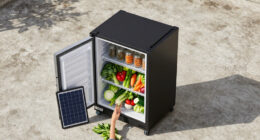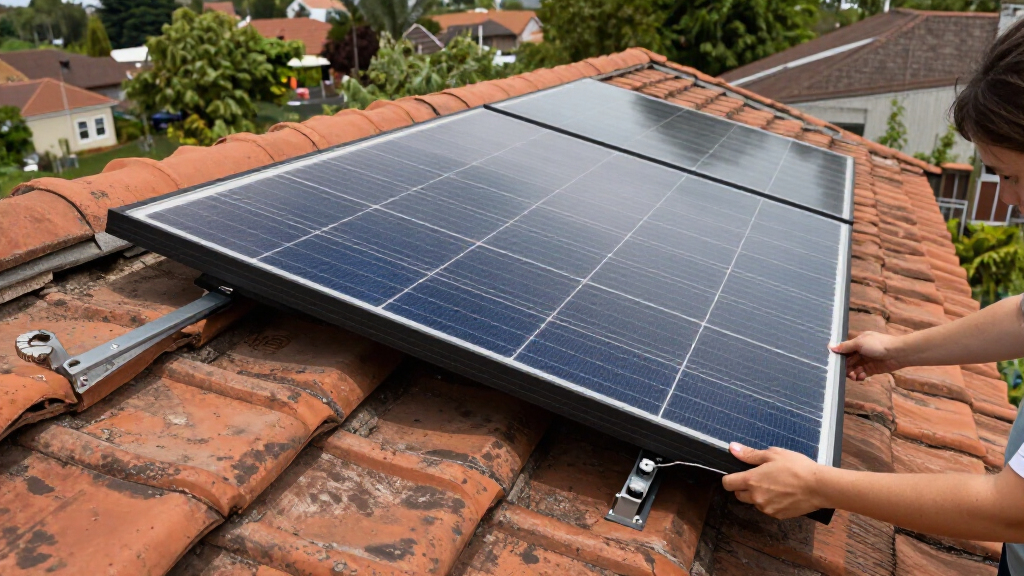
The best home solar panels depend on whether you need rooftop modules, a small system, or a complete off-grid setup. My best overall pick is the HISHEN 900W Solar Panel Kit, which pairs two high-efficiency bifacial panels with UL 61730 certification. The Renogy 2360W four-pack stands out for buyers seeking higher-output modules, while the ECO-WORTHY 10 kW kit with a 16.1 kWh battery suits a broader off-grid system build. The main tradeoffs are panel output and fit versus system completeness, installation needs, and compatibility with your inverter and roof. Continue reading for the full breakdown and help matching a pick to your home.

Get backup power and energy gear delivered free with Prime
- Fast, free delivery on millions of items
- Prime Video, Amazon Music and more included
- Member-only deals all year
Key Takeaways
- The HISHEN 900W kit combines two 450W panels, stated 25.2% efficiency, bifacial construction, and UL 61730 certification, making it the most balanced panel-focused pick in this lineup.
- Renogy‘s 2360W four-pack has the largest stated panel total among standalone module sets, while its four 590W panels call for careful checks of roof dimensions, weight limits, and electrical compatibility.
- The two ECO-WORTHY off-grid kits bundle panels, an inverter, and batteries; the 10 kW model with a 16.1 kWh battery lists more storage than the 10.24 kWh version.
- Compact sets such as the HQST 200W panel and ECO-WORTHY four-panel 400W set are easier to fit into modest projects, but their lower total output makes them less suited to covering substantial household demand.
- Bifacial construction appears across several picks, but its added rear-side generation depends on the mounting surface, panel clearance, and reflected light, so it should not be treated as guaranteed extra output.
| HISHEN 900W Solar Panel Kit (2x 450W), UL 61730 Certified, 25.2% Efficiency N-Type Bifacial |  | Best for High-Output Rooftops | Total panel power: 900W | Panel count: 2 | Power per panel: 450W | VIEW LATEST PRICE | See Our Full Breakdown |
| SUNGOLDPOWER 440W N-Type Monocrystalline Solar Panels, 6-Pack |  | Best for Larger Panel Arrays | Panel count: 6 | Power per panel: 440W | Total maximum power: 2,640W | VIEW LATEST PRICE | See Our Full Breakdown |
| ECO-WORTHY 400W N-Type Monocrystalline Solar Panel Set, 4 × 100W |  | Best for Modular 12V and 24V Setups | Panel count: 4 | Power per panel: 100W | Total power: 400W | VIEW LATEST PRICE | See Our Full Breakdown |
| HISHEN FLOWE Series Frameless 495W Monocrystalline Solar Panel, 2-Pack |  | Best for Low-Maintenance Surfaces | Panel count: 2 | Power per panel: 495W | Combined panel power: 990W | VIEW LATEST PRICE | See Our Full Breakdown |
| ECO-WORTHY 10 kW Off-Grid Solar System Kit with 2,340 W Panels, 10 kW Inverter, and 10.24 kWh Batteries |  | Best Complete Off-Grid Package | Solar panels: 12 × 195W; 2,340W total | Panel efficiency: Up to 25% | Inverter maximum continuous output: 10,000W | VIEW LATEST PRICE | See Our Full Breakdown |
| ECO-WORTHY 10kW Off-Grid Solar Kit with 2,950W Panels and 16.1kWh Battery |  | Best for Whole-Home Off-Grid Power | Inverter continuous output: 10,000W | Inverter peak output: 20,000W | Output voltage: 120V or 120V/240V split phase | VIEW LATEST PRICE | See Our Full Breakdown |
| DOKIO 800W Solar Panels, 2-Pack of 400W, 31V, for 12V/24V Systems |  | Best for Flexible 12V/24V Upgrades | Total power: 800W | Panel configuration: 2 × 400W | Voltage: 31V | VIEW LATEST PRICE | See Our Full Breakdown |
| Callsun 400W Bifacial Solar Panel Set, 2 × 200W N-Type Panels |  | Best for Shaded, Space-Conscious Setups | Total maximum power: 400W | Panel configuration: 2 × 200W | Cell type: N-type monocrystalline, 16BB | VIEW LATEST PRICE | See Our Full Breakdown |
| EtnalSolar 400W Solar Panel Set, 2 × 200W N-Type Monocrystalline Panels |  | Best for 12V System Builders | Panel configuration: 2 × 200W | Cell type: N-type A+ monocrystalline, 18 busbars | Maximum efficiency: 25.6% claimed | VIEW LATEST PRICE | See Our Full Breakdown |
| JJN 1100W Bifacial Solar Panel, 2-Pack |  | Best High-Output Bifacial Pair | Panel count and total power: 2 panels; 1,100W total | Efficiency: 23% stated | Amperage capacity: 14A | VIEW LATEST PRICE | See Our Full Breakdown |
| Star Cleanedge 495W Bifacial Frameless Solar Panel, 2-Pack |  | Best for Low-Maintenance Ground Mounts | Panel quantity: 2 | Voltage: 24V | Cell type: N-type, 16BB | VIEW LATEST PRICE | See Our Full Breakdown |
| HQST 200W Bifacial N-Type Solar Panel |  | Best for Compact Roofs and Off-Grid Setups | Maximum power: 200W | Cell type: N-type bifacial, 16BB Grade A+ | Maximum stated efficiency: Up to 25.4% | VIEW LATEST PRICE | See Our Full Breakdown |
| Renogy Bifacial Solar Panel 2360W N-Type 16BB (4-Pack, 590W Each) |  | Best for High-Output Residential Arrays | Panel count: 4 | Power per panel: 590W | Cell type: N-type monocrystalline silicon, bifacial | VIEW LATEST PRICE | See Our Full Breakdown |
| Renogy 640W N-Type 18BB Solar Panel Set (2 × 320W) |  | Best for Durable Two-Panel Installations | Panel quantity: 2 | Total maximum power: 640W | Power per panel: 320W | VIEW LATEST PRICE | See Our Full Breakdown |
| home solar panel | Cell type |
|---|---|
| HISHEN 900W Solar Panel Kit | N-Type bifacial, 96 half-cut A+ grade |
| SUNGOLDPOWER 440W N-Type Monoc | N-Type monocrystalline |
| ECO-WORTHY 400W N-Type Monocry | N-type bifacial monocrystalline |
| HISHEN FLOWE Series Frameless | Monocrystalline, A+ grade |
| ECO-WORTHY 10 kW Off-Grid Sola | — |
| ECO-WORTHY 10kW Off-Grid Solar | — |
| DOKIO 800W Solar Panels | — |
| Callsun 400W Bifacial Solar Pa | N-type monocrystalline, 16BB |
| EtnalSolar 400W Solar Panel Se | N-type A+ monocrystalline, 18 busbars |
| JJN 1100W Bifacial Solar Panel | — |
| Star Cleanedge 495W Bifacial F | N-type, 16BB |
| HQST 200W Bifacial N-Type Sola | N-type bifacial, 16BB Grade A+ |
| Renogy Bifacial Solar Panel 23 | N-type monocrystalline silicon, bifacial |
| Renogy 640W N-Type 18BB Solar | N-type monocrystalline silicon |
More Details on Our Top Picks
HISHEN 900W Solar Panel Kit (2x 450W), UL 61730 Certified, 25.2% Efficiency N-Type Bifacial
For a home roof where panel area is limited, this two-panel kit pairs 900W total output with a stated 25.2% efficiency. Its bifacial cells can collect reflected light from the rear, which may add generation on a suitably elevated, reflective installation; that benefit is less relevant when panels sit close to a dark roof. Compared with the SUNGOLDPOWER 440W six-pack, HISHEN offers fewer, higher-wattage modules, while SUNGOLDPOWER provides more panels and longer stated warranty coverage. The dual-glass construction, UL 61730 certification, and low temperature coefficient are useful durability and heat-performance features. The tradeoff is that bifacial gains depend on the site, and the 10-year product warranty is shorter than SUNGOLDPOWER’s listed 12-year workmanship and 25-year performance warranties.
Pros:- Two 450W modules provide 900W of stated panel capacity.
- Bifacial cells can use reflected light when installation conditions suit them.
- Dual-glass construction and UL 61730 certification support a durability-focused choice.
- The stated -0.16%/℉ temperature coefficient is designed to limit output loss in heat.
Cons:- Rear-side generation depends on mounting clearance and reflected light.
- The 10-year product warranty is shorter than the warranties listed for the SUNGOLDPOWER six-panel set.
- Panels alone do not provide an inverter, batteries, or the rest of a home solar system.
Best for: Homeowners with limited roof space who want two high-wattage panels and can mount them where reflected light reaches the rear.
Not ideal for: Buyers seeking a complete solar system, or roof owners whose flush, dark mounting surface offers little opportunity for bifacial gain.
- Total panel power:900W
- Panel count:2
- Power per panel:450W
- Efficiency:25.2%
- Cell type:N-Type bifacial, 96 half-cut A+ grade
- Certification:UL 61730
- Glass construction:2.0mm dual-glass
- Product warranty:10 years
Our verdict“Choose HISHEN when roof space favors two powerful panels and your installation can make practical use of their bifacial design.”
SUNGOLDPOWER 440W N-Type Monocrystalline Solar Panels, 6-Pack
The six-panel format makes this set a practical fit for a home array that needs multiple modules, with 2,640W of total rated panel power. Its N-Type monocrystalline cells and half-cell layout are designed to maintain useful output in low light and partial shade, though shade behavior still depends on system wiring and conditions. Compared with the HISHEN 900W kit, SUNGOLDPOWER supplies more panels and spells out longer workmanship and performance warranties; HISHEN instead offers higher stated efficiency per module and bifacial construction. The aluminum frame, IP68 components, and listed UL 61730 certification suit outdoor installation. Each panel weighs 46.3 pounds, so handling and roof access need planning. Battery charging also requires a compatible MPPT controller, which is not included in the panel set.
Pros:- Six 440W panels provide 2,640W of listed total maximum power.
- N-Type cells and half-cell design are intended to support low-light and shade performance.
- IP68 junction box and connectors plus a corrosion-resistant frame suit outdoor use.
- Includes listed 12-year workmanship and 25-year linear performance warranties.
Cons:- At 46.3 pounds each, panels can be demanding to lift and position.
- A compatible MPPT controller is needed for battery charging and is not listed as included.
- This is a panel set, not a complete home solar system.
Best for: Homeowners planning a multi-panel array who need a defined six-module set and value stated long-term performance coverage.
Not ideal for: DIY buyers who need lightweight panels or expect a ready-to-connect battery system without sourcing an MPPT controller.
- Panel count:6
- Power per panel:440W
- Total maximum power:2,640W
- Cell type:N-Type monocrystalline
- Efficiency:22.05%
- Dimensions per panel:67.8 × 44.65 × 1.38 in
- Weight per panel:46.3 lb
- Warranties:12-year workmanship; 25-year linear performance
Our verdict“Pick SUNGOLDPOWER for a six-module home array with specified warranty coverage, provided you can manage the panel weight and supply system electronics.”
ECO-WORTHY 400W N-Type Monocrystalline Solar Panel Set, 4 × 100W
These four 100W panels suit buyers who want smaller modules for a 12V or 24V installation rather than two large residential panels. Their separate footprints can make placement more flexible on a cabin, shed, or other small-scale setup, while pre-drilled mounting holes and MC4 connectors simplify basic installation. Bypass diodes are intended to reduce the effect of partial shading. Compared with the SUNGOLDPOWER 440W six-pack, this set has far less total capacity but uses lighter, smaller modules; its stated efficiency reaches up to 25%, though that alone does not make the four-panel set a high-output home-roof choice. Each panel weighs 23.8 pounds, and shipping in two boxes means the full set may not arrive together. Buyers should match the voltage and wiring to their controller and system.
Pros:- Four separate 100W panels offer more placement flexibility than a pair of large modules.
- Designed for 12V and 24V solar systems.
- Bypass diodes are intended to limit power loss from partial shading.
- MC4 connectors and pre-drilled mounting holes support a straightforward installation.
Cons:- The 400W total rating is modest beside the 2,640W SUNGOLDPOWER panel set.
- Each panel weighs 23.8 pounds despite its 100W rating.
- The set ships in two boxes that may arrive at different times.
Best for: Cabin and shed owners building a modest 12V or 24V system who value smaller panels and flexible placement.
Not ideal for: Households seeking substantial rooftop generation from a compact number of high-wattage modules.
- Panel count:4
- Power per panel:100W
- Total power:400W
- Cell type:N-type bifacial monocrystalline
- Conversion efficiency:Up to 25%
- Dimensions per panel:35.63 × 23.03 × 1.18 in
- Weight per panel:23.8 lb
- Connector type:MC4
Our verdict“Choose this ECO-WORTHY set for a small 12V or 24V project where four manageable panel footprints matter more than high household output.”
HISHEN FLOWE Series Frameless 495W Monocrystalline Solar Panel, 2-Pack
The FLOWE pair is aimed at buyers who value a clean panel edge and want to limit dust or debris collecting around a conventional frame. Its frameless Cleanedge design is intended to let rain help clear the surface, making it a distinctive alternative to the framed ECO-WORTHY 400W set. The HISHEN pair also lists 495W per panel and 25.6% efficiency, giving it a higher stated capacity per module than the 100W ECO-WORTHY panels. Those figures may appeal where space is constrained, but the product data gives no dimensions or weight, so planning roof fit and handling takes extra verification. Frameless construction also calls for an installation system designed to support it. UL 61730 certification and a 10-year warranty add useful detail, though the listing does not specify a performance warranty.
Pros:- Two 495W panels offer 990W of stated combined capacity.
- Frameless Cleanedge design is intended to reduce edge buildup of dust and debris.
- Listed 25.6% efficiency and UL 61730 certification.
- Suitable for residential, RV, marine, and off-grid applications according to the product data.
Cons:- No panel dimensions or weight are provided for fit and handling checks.
- Frameless construction may not suit standard mounting hardware.
- The listed 10-year product warranty does not specify performance coverage.
Best for: Homeowners seeking higher-wattage modules with a frameless surface concept and an installation compatible with that design.
Not ideal for: Buyers who need clearly specified dimensions, weight, or a conventional framed panel for an existing mounting system.
- Panel count:2
- Power per panel:495W
- Combined panel power:990W
- Cell type:Monocrystalline, A+ grade
- Efficiency:25.6%
- Frame:Frameless
- Certification:UL 61730
- Product warranty:10 years
Our verdict“Consider the FLOWE pair if its frameless mounting requirements fit your roof and you prioritize high stated output with a surface designed to shed debris.”
ECO-WORTHY 10 kW Off-Grid Solar System Kit with 2,340 W Panels, 10 kW Inverter, and 10.24 kWh Batteries
This kit is the most system-ready option in this group: it bundles 2,340W of panels, a 10,000W inverter, and two 48V batteries, along with mounting brackets and accessories. That makes it a different kind of purchase from the HISHEN and SUNGOLDPOWER panel sets, which leave inverter and storage choices to the buyer. The inverter’s 120V/240V output and parallel operation support a broader off-grid setup, while app monitoring gives owners a way to check battery status. The main tradeoff is the mismatch between the inverter’s listed output capacity and the comparatively modest panel array: panel generation depends on sunlight, and the kit’s components should be sized around actual household loads. Professional installation is recommended, so this package suits buyers planning a full system rather than a simple panel replacement.
Pros:- Bundles panels, inverter, batteries, mounting brackets, and accessories.
- 10,000W inverter provides 120V/240V AC output and supports parallel operation.
- Two 48V batteries include CAN/RS485 communication.
- App-based battery monitoring is listed with Bluetooth and Wi-Fi.
Cons:- Professional installation is recommended, adding planning and labor needs.
- The 2,340W panel array is much lower than the inverter’s 10,000W maximum continuous output.
- Actual solar generation varies with sunlight and site conditions.
Best for: Homeowners or property owners planning a professionally installed off-grid system with included storage, inverter, and panels.
Not ideal for: Buyers who only need rooftop panels, already own compatible system components, or expect the panels alone to supply the inverter’s full rated output.
- Solar panels:12 × 195W; 2,340W total
- Panel efficiency:Up to 25%
- Inverter maximum continuous output:10,000W
- Inverter output:120V/240V AC
- Batteries:2 × 48V (51.2V), 100Ah
- Battery communication:CAN/RS485
- Panel dimensions:58.86 × 26.18 × 1.18 in
- Listed certifications:UL 1741 inverter; UL 1973 and UL 9540A batteries; CEC compliant
Our verdict“Choose this package for a planned off-grid installation that needs bundled storage and inverter hardware, with professional system sizing and installation.”
ECO-WORTHY 10kW Off-Grid Solar Kit with 2,950W Panels and 16.1kWh Battery
The 10kW split-phase inverter and 16.076kWh LiFePO₄ battery make this the most complete off-grid system in this group for buyers planning to power substantial household loads. Its 120V/240V output can serve both common household circuits and compatible 240V equipment, while parallel expansion gives a larger system room to grow. Compared with the other ECO-WORTHY 10 kW kit in the roundup, this version includes more storage, but its five panels total only 2,950W, so the battery capacity may outpace solar charging on cloudy days or during heavy use. The monitoring options add useful visibility into system status, yet this is a substantial installation: professional setup is recommended, and pallet delivery requires truck access. I’d choose it for a serious off-grid build, not a simple panel upgrade.
Pros:- 10,000W continuous inverter output with 120V/240V split-phase support
- 16.076kWh LiFePO₄ battery storage for carrying household loads beyond daylight
- Battery and inverter capacity can be expanded with parallel units
- Display, Bluetooth, Wi-Fi, and PC monitoring provide several ways to check system status
Cons:- The 2,950W panel array may recharge the large battery slowly under limited sunlight
- Professional installation is recommended, adding planning and setup demands
- Palletized truck delivery requires an address that can receive freight
Best for: Homeowners building an off-grid system who need split-phase output, substantial battery storage, and room to expand
Not ideal for: DIY buyers seeking a small, simple panel setup or properties that cannot accommodate professional installation and palletized delivery
- Inverter continuous output:10,000W
- Inverter peak output:20,000W
- Output voltage:120V or 120V/240V split phase
- Solar array:5 × 590W monocrystalline panels; 2,950W total
- Battery:48V 314Ah LiFePO₄; 16.076kWh
- Battery management system:PACE 200A BMS
- Battery expansion:Up to 15 units in parallel
- Monitoring:7-inch display, Bluetooth, Wi-Fi, and PC connectivity
Our verdict“Choose this kit for an expandable off-grid home system with substantial storage, provided you can plan for professional installation and freight delivery.”
DOKIO 800W Solar Panels, 2-Pack of 400W, 31V, for 12V/24V Systems
For buyers adding panels to an existing battery setup, this 800W two-panel set offers a useful middle ground between compact modules and a full off-grid kit. Its 31V panels support 12V and 24V systems when paired with a compatible controller, and the 9.84-foot MC4 leads can simplify placement by reducing the need for extensions. The tempered glass and aluminum frames suit fixed outdoor mounting, unlike a complete package such as the ECO-WORTHY 10kW kit, which also supplies an inverter and battery. That distinction matters: DOKIO leaves system sizing and component matching to the buyer. The 800W total also exceeds the Callsun and EtnalSolar 400W sets, but handling the combined output calls for a controller and wiring plan rated for the array. I’d pick it when expanding an established system, not when starting from scratch.
Pros:- Two 400W panels provide 800W total with fewer modules and connections than smaller-panel arrays
- 9.84-foot MC4 leads can reduce extension cable needs
- Tempered glass and aluminum frames suit outdoor installations
- Compatible with AGM, Gel, and LiFePO₄ battery systems when correctly configured
Cons:- Controller and inverter sizing require care to handle the array’s output
- Series wiring depends on having a controller suited to the resulting voltage
- Does not include a battery, inverter, or charge controller
Best for: Owners of 12V or 24V battery systems who want to add meaningful panel capacity and can select a suitable controller
Not ideal for: First-time buyers looking for a complete solar system or anyone without a controller rated for the array
- Total power:800W
- Panel configuration:2 × 400W
- Voltage:31V
- System compatibility:12V/24V systems
- Battery types:AGM, Gel, and LiFePO₄
- Controller compatibility:PWM and MPPT
- Connector and cable:MC4; 9.84ft (3m) leads per panel
- Construction:Aluminum frame and tempered glass
Our verdict“Pick the DOKIO set to expand a compatible 12V or 24V system with 800W of panels, if you can size the supporting electronics.”
Callsun 400W Bifacial Solar Panel Set, 2 × 200W N-Type Panels
The Callsun set’s two-module layout gives buyers more placement flexibility than a single large panel, which can help when roof or ground-mount space is interrupted by partial shade. Its bifacial cells may also capture reflected light, though that benefit depends on clearance and bright surfaces behind the panels. At 400W total, it matches the EtnalSolar set’s rated capacity but stands out with stated N-type 16BB construction and a 25.6% maximum efficiency claim. Those figures describe manufacturer specifications; the actual yield will depend on installation and conditions. Each module weighs 23.8 pounds, so the pair still needs sturdy mounting hardware, and the dimensions are sizeable for small roofs or portable setups. Compared with the DOKIO 800W pair, Callsun gives up rated output for the potential placement advantages of two smaller modules. It suits buyers who value configuration options over maximum wattage.
Pros:- Two separate 200W modules allow more flexible placement than one large panel
- Bifacial design can use reflected light when installation conditions support it
- N-type monocrystalline cells with 16BB technology and stated efficiency up to 25.6%
- Tempered glass, aluminum frame, and IP68-rated junction box suit outdoor mounting
Cons:- Rear-side generation depends on panel clearance and available reflected light
- Each panel weighs 23.8 pounds and needs compatible mounting hardware
- The 400W total is half the DOKIO set’s rated 800W output
Best for: Homeowners fitting panels around partial shade or limited mounting zones who can provide rear-side light and secure mounting
Not ideal for: Buyers who need the highest output from a compact number of panels or want a lightweight portable set
- Total maximum power:400W
- Panel configuration:2 × 200W
- Cell type:N-type monocrystalline, 16BB
- Maximum efficiency:Up to 25.6%
- Operating current:8.43A
- Series configuration:Vmp 47.48V; Voc 54.62V
- Dimensions and weight per panel:51.3 × 30.3 × 1.4in; 23.8lb
- Construction:3.2mm tempered glass, aluminum alloy frame, IP68 junction box
- Output retention commitment:At least 84.5% rated output after 25 years
Our verdict“Choose Callsun when flexible placement and potential bifacial gains matter more than matching the DOKIO pair’s higher rated output.”
EtnalSolar 400W Solar Panel Set, 2 × 200W N-Type Monocrystalline Panels
EtnalSolar’s 400W two-panel set is aimed at buyers assembling around a 12V battery system, with PWM and MPPT controller compatibility and the option to wire the modules in series or parallel. That flexibility makes it easier to plan a later 24V or 48V configuration, provided the rest of the system supports it. Compared with Callsun’s equally rated bifacial pair, EtnalSolar does not list bifacial construction, but it does specify wind and snow load ratings and provides a stated 10-year workmanship warranty alongside a 30-year output guarantee. The claimed 25.6% efficiency and 87.4% retention after 30 years are manufacturer figures, not independent measurements in the supplied details. Panel dimensions and weight are also absent, making fit and handling harder to assess before purchase. I’d favor it over Callsun when controller and system wiring options are the priority.
Pros:- Two panels provide 400W total and support series or parallel wiring
- Compatible with PWM and MPPT controllers for 12V system builds
- IP68-rated construction with tempered glass and anodized aluminum frame
- MC4 connectors and pre-drilled mounting holes simplify standard system integration
Cons:- Efficiency and long-term power retention figures are manufacturer claims in the provided information
- Panel dimensions and weight are not listed, complicating fit and mounting plans
- Unlike the Callsun pair, bifacial capability is not specified
Best for: DIY builders with a 12V battery system who want standard MC4 connections and the option to reconfigure panels for a larger system
Not ideal for: Buyers who need verified performance data, published panel dimensions, or bifacial generation potential
- Panel configuration:2 × 200W
- Cell type:N-type A+ monocrystalline, 18 busbars
- Maximum efficiency:25.6% claimed
- System compatibility:12V battery systems; expandable by series or parallel wiring for 24V/48V systems
- Controller compatibility:PWM and MPPT
- Operating temperature:-45°C to 85°C
- Wind and snow load:2400Pa wind; 5400Pa snow
- Warranty and output claim:10-year materials and workmanship; 30-year power output guarantee; 87.4% retention claim
Our verdict“Choose EtnalSolar for a configurable 12V-based panel build if you can confirm the modules’ physical fit before ordering.”
JJN 1100W Bifacial Solar Panel, 2-Pack
With 1,100W rated output across two panels, JJN is the high-output pair in this batch, suited to fixed installations where handling large modules is manageable. Its stated 23% efficiency and bifacial design may help make productive use of a well-positioned roof or ground mount, while MC4 connectors and pre-drilled holes support familiar installation approaches. The key tradeoff is physical scale: each panel is listed at 89.61 × 44.65 inches, and the package weighs 123.4 pounds, so transport, lifting, and mounting call for careful planning. That is a substantial step up from the Callsun pair’s 400W total and smaller individual dimensions, but JJN’s listing provides less detail about cell architecture and environmental load ratings. I’d choose it when rated output per pair is the priority and the site can accommodate the panels, with realistic expectations about rear-side gains.
Pros:- Two panels provide 1,100W total rated output
- Bifacial construction can capture reflected light under suitable mounting conditions
- Pre-drilled mounting holes and MC4 connectors support common installation approaches
Cons:- Large panel dimensions make placement difficult on constrained roofs
- Listed package weight of 123.4 pounds can complicate transport and installation
- Bifacial gains depend on rear-side light, and the supplied details omit load ratings
Best for: Homeowners with a spacious, fixed roof or ground mount who want high rated output from a two-panel set
Not ideal for: Buyers working alone, mounting on a small roof, or seeking compact modules with detailed load and warranty information
- Panel count and total power:2 panels; 1,100W total
- Efficiency:23% stated
- Amperage capacity:14A
- Maximum and output voltage:49.5V maximum; 41.96V output
- Dimensions:89.61 × 44.65 × 1.38in
- Package weight:123.4lb
- Materials and connectors:Aluminum, monocrystalline silicon, tempered glass; MC4
Our verdict“Pick JJN for high rated output from a bifacial pair if you have adequate mounting space and help handling the large panels.”
Star Cleanedge 495W Bifacial Frameless Solar Panel, 2-Pack
The Star Cleanedge 2-pack pairs two 495W panels with a frameless bifacial design, giving buyers a high-output option when the back of each panel can receive reflected light. Its smooth edges are intended to limit dust buildup and let rain wash the surface, though the gain depends on the mounting setup and local light. Compared with the HQST 200W Bifacial N-Type Solar Panel, this set supplies far more rated power but is much less suited to a small RV roof. The frameless construction also calls for careful handling during installation, so it makes the most sense for a planned ground mount or a capable installer. UL61730 certification and a 30-year linear output warranty add useful assurance, while the 12-year quality warranty is shorter than that output term.
Pros:- Two 495W panels provide 990W of combined rated output
- Bifacial design can use direct and reflected sunlight
- Frameless surface is designed to reduce dust buildup and support rain cleaning
- UL61730 certification and a 30-year linear power output warranty
Cons:- Bifacial yield depends on mounting height, surface reflectivity, and lighting
- Frameless panels require careful handling during transport and installation
- The 12-year quality warranty is shorter than the 30-year output warranty
Best for: Homeowners planning a ground-mounted array with room to capture reflected light and an installer equipped to handle frameless panels carefully
Not ideal for: RV owners or DIY buyers seeking compact, framed panels that are easier to handle and fit on limited roof space
- Panel quantity:2
- Voltage:24V
- Cell type:N-type, 16BB
- Design:Frameless, bifacial
- Certification:UL61730
- Quality warranty:12 years
- Linear power output warranty:30 years
Our verdict“Choose this set for a carefully planned ground mount where its high output and rear-side collection can be used, and skip it for a compact rooftop setup.”
HQST 200W Bifacial N-Type Solar Panel
The HQST 200W panel is the most compact choice in this group, with a framed, 21.58-pound build aimed at RVs, boats, and small off-grid systems. Its N-type bifacial cells can collect reflected sunlight, and the stated efficiency of up to 25.4% helps make limited panel area count. That output is modest beside the Star Cleanedge 495W Bifacial Frameless Solar Panel, but the HQST is easier to place where a large panel would not fit. IP68 construction and stated wind and snow load ratings suit exposed installations; actual rear-side gain still depends on clearance and the surface below. The listing gives two different dimension sets, so buyers should confirm the panel measurements before planning a rack or roof layout.
Pros:- Compact 200W format suits limited roof space
- Bifacial N-type cells can collect direct and reflected light
- IP68 construction with stated wind and snow load ratings
- 21.58-pound weight is lighter than the larger panels in this batch
Cons:- A single panel’s 200W rating is modest for household loads
- Bifacial output gain depends on mounting clearance and surface conditions
- Product descriptions list conflicting dimensions
Best for: RV, campervan, and boat owners who need one framed panel for a small roof or compact off-grid array
Not ideal for: Homeowners building a high-output residential array who have space for larger panels and want fewer modules
- Maximum power:200W
- Cell type:N-type bifacial, 16BB Grade A+
- Maximum stated efficiency:Up to 25.4%
- Dimensions:30.1 × 47.2 × 1.2 in; another listing gives 48 × 31 × 1.9 in
- Weight:21.58 lb
- Wind resistance:2400 Pa
- Snow load capacity:5400 Pa
- Model:HSP200N-64LT
Our verdict“Pick the HQST when roof space and manageable panel size matter more than the higher output offered by the larger Renogy sets.”
Renogy Bifacial Solar Panel 2360W N-Type 16BB (4-Pack, 590W Each)
For buyers who can accommodate a substantial array, the Renogy 4-pack delivers 2,360W across four 590W panels. Its N-type 16BB cells and bifacial construction are aimed at strong output per module, and the manufacturer states up to 25% efficiency and up to 30% more generation from rear-side light. That claimed gain needs a mounting design that exposes the backs to useful reflected light; conventional tight roof placement may not realize it. Compared with the Renogy 640W N-Type 18BB Solar Panel Set, this pack offers much greater combined rated power, but its 233-pound total weight raises transport and structural planning demands. IP68 junction-box protection and stated wind and snow resistance support outdoor use, while the listed dimensions appear unusual enough to verify before ordering.
Pros:- Four panels provide 2,360W of combined rated power
- 590W N-type bifacial modules can produce high output per panel
- IP68-rated junction box and stated wind and snow load resistance
- N-type cells are described as more temperature tolerant and less prone to light-induced degradation than traditional PERC cells
Cons:- 233-pound total pack weight complicates handling and roof planning
- Bifacial gain depends on a mounting setup that admits reflected light
- Listed panel dimensions should be confirmed before designing the array
Best for: Homeowners or off-grid system planners with structural capacity and space for four large panels, plus a mounting plan that exposes their rear surfaces
Not ideal for: Buyers with small or weight-limited roofs, or anyone seeking a compact two-panel installation
- Panel count:4
- Power per panel:590W
- Cell type:N-type monocrystalline silicon, bifacial
- Busbars:16BB
- Efficiency:Up to 25%
- Output voltage:12V DC
- Pack weight:233 lb
- Wind and snow load resistance:2400 Pa wind; 5400 Pa snow
Our verdict“Choose this Renogy pack for a structurally suitable site that needs high combined panel output and can make practical use of bifacial mounting.”
Renogy 640W N-Type 18BB Solar Panel Set (2 × 320W)
The Renogy 640W set gives buyers two rigid 320W panels with N-type monocrystalline cells, an IP68 rating, and pre-drilled mounting holes. That makes it a straightforward fit for a planned off-grid installation on a cabin, boat, or suitable roof. It avoids the rear-light positioning demands of the bifacial Renogy 2360W 4-pack, though its combined output is far lower and each panel weighs 90.5 pounds. The stated cell efficiency of up to 25% is strong on paper, but it does not remove the need for a shade-free location or a structure that can support the panels. Buyers should also account for the 64-inch panel length and substantial per-panel weight before selecting a mounting system.
Pros:- Two 320W panels provide 640W combined rated power
- N-type monocrystalline cells have stated efficiency up to 25%
- IP68 rating and anti-corrosion coating support outdoor use
- Pre-drilled holes support multiple mounting options
Cons:- Each panel weighs 90.5 pounds, making handling and mounting demanding
- Requires a site without year-round shade to produce effectively
- Two panels provide less total rated power than the Renogy 2360W four-panel set
Best for: Cabin and boat owners planning a durable two-panel off-grid installation on a shade-free, weight-rated mounting surface
Not ideal for: Installers who need lightweight panels, a compact roof footprint, or the higher combined output of a larger multi-panel set
- Panel quantity:2
- Total maximum power:640W
- Power per panel:320W
- Cell type:N-type monocrystalline silicon
- Cell efficiency:Up to 25%
- Busbars and cells:18 busbars; 32 cells
- Maximum and output voltage:24V
- Amperage capacity:8.46A
- Dimensions and weight per panel:64.37 × 34.65 × 1.38 in; 90.5 lb
Our verdict“Choose this set for a sturdy, shade-free off-grid installation where two rigid panels fit the mounting plan and their weight is manageable.”

How We Picked
I compared the listed products by stated panel output, format, and system scope, then considered the practical implications for a home installation. Panel-only sets and kits that include an inverter and batteries serve different jobs, so I ranked them by how clearly their included equipment matches a buyer need rather than treating their wattage totals as directly interchangeable. I also weighed details such as bifacial construction, N-type cells, certification claims, and the number and size of panels where those details were provided.
The order favors versatile panel performance and clear buyer fit near the top, followed by specialized choices for higher output, off-grid storage, compact projects, and particular mounting or system needs. Product descriptions do not provide comparable independent performance tests, roof compatibility data, or complete electrical specifications for every item. I treat stated figures as manufacturer claims and recommend checking the module datasheet, local code requirements, inverter limits, and installation details before purchase.
Factors to Consider When Choosing Best Home Solar Panels
Before choosing a panel, I would first define the system it must fit. A higher wattage label alone cannot tell you how much of your household load a setup will cover, or whether the modules suit your roof and inverter.
Match panel output to the available roof area
Start with the usable roof space after accounting for vents, chimneys, setbacks, and access paths. Then compare each module’s physical dimensions and rated output, since a compact panel and a large-format panel can be difficult to compare by wattage alone. Higher-output modules may reduce the number of panels needed, but their size or weight may rule them out for some roof sections. Ask an installer to check roof structure and layout before ordering a multi-panel set. Leave room for wiring routes and service access instead of planning around a perfect, obstruction-free rectangle.
Check electrical compatibility before buying modules
Panel wattage does not establish compatibility with an inverter or charge controller. Review each module’s open-circuit voltage, operating voltage, current, and temperature limits, then compare them with the equipment’s allowed input range. Series wiring raises voltage, while parallel wiring raises current, so a configuration that fits one limit can exceed another. Small kits described for 12V or 24V systems still need a compatible controller and battery setup. If a listing omits electrical values, get the datasheet before committing to a system design.
Treat bifacial output as site-dependent
Bifacial panels can collect light from the rear face, but the benefit depends on how much light reaches it. A panel mounted close to a dark roof may gain little, while an elevated installation above a reflective surface may offer better conditions. That can affect racking, clearance, wind exposure, and installation complexity. Compare the front-side rating and warranty on a consistent basis, and do not size a household system around an assumed rear-side gain. The panel’s mounting environment matters as much as the bifacial label.
Decide whether you need panels or a complete off-grid system
Panel-only bundles give you flexibility, but leave you to source compatible power electronics, storage, and protection equipment. An off-grid kit that includes batteries and an inverter can simplify sourcing, though it still needs a design that matches your loads and installation. Estimate daily energy use and peak power separately: the first informs storage and panel sizing, while the second informs inverter capacity. Battery capacity in kilowatt-hours is not the same as usable energy, since operating limits and conversion losses reduce what reaches appliances. Confirm exactly what is included, including mounting hardware, cables, and protection devices.
Choose storage around the loads you need to run
More battery capacity can extend runtime, but it does not create more solar generation. List the appliances you need during an outage or overnight, their energy use, and how long you expect to run them. Also check whether the inverter can handle brief startup surges from pumps, compressors, or other motor-driven equipment. A larger battery kit may make sense for sustained off-grid use, while a smaller system could fit backup for selected circuits. Keep an expansion plan in mind, since battery chemistry, inverter design, and communication protocols can limit future additions.
Compare warranties, certification, and installation requirements
Before choosing between similar output options, check the product datasheet for module dimensions, mechanical load limits, degradation terms, and warranty coverage. Confirm that any certification claim applies to the exact model and installation use in your region. Frameless designs can have different handling and mounting requirements from framed modules, so verify the approved clamp zones and racking instructions. Rooftop installations also involve electrical permits, fire access rules, and utility interconnection requirements that vary by location. A local installer can flag these constraints before you buy a set that cannot be approved or mounted as planned.
Frequently Asked Questions
Can I combine panels from different brands in one home solar array?
It may be possible, but the electrical characteristics and inverter design determine whether mixed modules work well together. Panels connected in the same series string are generally easiest to manage when their current characteristics are closely matched. Different module ratings can constrain the whole string, reducing the benefit of a higher-output panel. Separate strings or module-level electronics may offer more flexibility, subject to the system design. Have an installer compare the datasheets and confirm the inverter supports the proposed layout.
Are the off-grid kits a good choice for a grid-connected home?
They may suit backup or a separate off-grid load, but an off-grid kit is not automatically ready to connect to a home’s utility supply. Grid interconnection can require approved equipment, utility permission, and specific protections that a standalone inverter may not provide. The listed battery and panel capacities also need to match the circuits you intend to support. Ask whether the inverter can operate in a permitted grid-interactive configuration and whether the kit includes the required components. A licensed local installer can check the design against utility rules.
How much electricity can a 400W or 450W panel produce each day?
The panel’s wattage is a laboratory rating, not a daily energy guarantee. Actual production depends on peak sun hours, orientation, shade, temperature, soiling, and electrical losses. A 450W module under strong sun may produce more energy over a day than the same module on a shaded or poorly oriented roof. Use a local solar estimate based on your address and proposed layout rather than multiplying the nameplate rating by 24 hours. For a household system, have the estimate account for seasonal changes as well.
Does a bifacial panel always generate more electricity than a standard panel?
No. A bifacial panel can use light that reaches its rear face, but a close, opaque mounting surface may block most of that light. Ground clearance, tilt, surrounding surfaces, and shade all change the potential gain. The added output can also be hard to compare when product listings do not state whether ratings include rear-side contribution. Base your system plan on clearly specified front-side performance unless a qualified design provides a site-specific estimate. In some installations, a conventional panel can be the simpler fit.
Should I buy a higher-wattage panel or more lower-wattage panels?
Compare the total array output, roof fit, electrical design, and mounting needs rather than choosing by panel wattage alone. Fewer high-output modules can reduce the number of mounting points and connections, but each module may be larger or heavier. More compact modules can fit around roof obstacles and may be easier to arrange on smaller surfaces. Inverter input limits can also affect how panels are grouped and whether a particular module count works. Ask for a roof layout and string design before deciding between the two approaches.
Conclusion
For a balanced panel set with strong stated efficiency and a certification claim, I would start with the HISHEN 900W kit as my best overall choice. Buyers seeking the largest stated output in a standalone module bundle should compare the Renogy 2360W four-pack with their roof and inverter limits; for value, the ECO-WORTHY 400W four-panel set is a practical smaller-scale option, though it is not a whole-home system. Beginners who want panels, storage, and an inverter together can look first at the ECO-WORTHY 10 kW kit with 16.1 kWh of listed battery capacity, after confirming compatibility and installation requirements. For compact projects, I would choose the HQST 200W panel; for buyers needing multiple high-output modules, the SUNGOLDPOWER six-pack is another panel-focused candidate. Match the product to your roof, loads, and system design before placing an order.