TL;DR
Search interest in Auckland’s Grey Lynn and Ponsonby has surged, highlighting their transformation from working-class areas to some of the city’s most desirable neighborhoods. The trend reflects ongoing urban development and rising property values.
Search interest and media coverage have surged around Auckland’s Grey Lynn and Ponsonby, highlighting their evolution from historically working-class neighborhoods to some of the city’s most sought-after suburbs, driven by urban development and rising property values.

Get backup power and energy gear delivered free with Prime
- Fast, free delivery on millions of items
- Prime Video, Amazon Music and more included
- Member-only deals all year
Both Grey Lynn and Ponsonby, located close to Auckland’s city center, have experienced significant transformation over the past few decades. Originally established as working-class communities, these neighborhoods have seen extensive gentrification, with property prices skyrocketing and demographic shifts attracting wealthier residents.
The recent spike in search interest, according to online data sources and media reports, suggests growing public curiosity and media focus on these suburbs’ changing character. Experts attribute this trend to Auckland’s broader urban expansion, infrastructure improvements, and a limited housing supply that fuels property demand.
While exact figures are not publicly available, property listings and real estate reports confirm that median house prices in these areas have increased substantially, making them some of the most expensive neighborhoods in Auckland. Local residents and community groups have expressed mixed feelings about the pace of change, citing concerns over affordability and community identity.
Implications of Urban Gentrification in Auckland’s Historic Neighborhoods
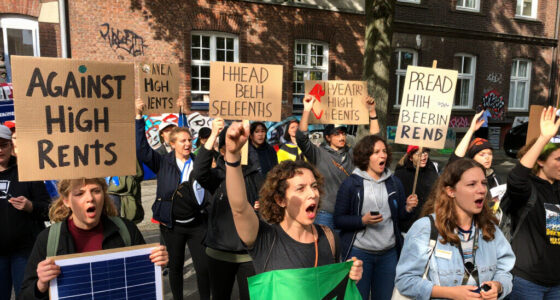
The rising popularity of Grey Lynn and Ponsonby underscores a broader pattern of urban gentrification in Auckland, which has significant implications for housing affordability, community diversity, and city planning. As these neighborhoods become more desirable, property prices continue to climb, potentially pushing out long-standing residents and altering the social fabric.
Understanding this trend is crucial for policymakers and residents alike, as it highlights the need for balanced development that preserves community identity while accommodating growth. The phenomenon also reflects wider global urban trends where historic working-class districts are transforming into high-value enclaves, often sparking debates about social equity.
Products Worth Considering

Sonos Era 100 Wireless Smart Speaker, White

Sonos Era 100 SL Compact Microphone-Free Speaker, Black

eufy Security SoloCam S340 3K Dual-Lens Solar Security Camera
As an affiliate, we earn on qualifying purchases.
Historical Roots and Recent Developments in Grey Lynn and Ponsonby
Grey Lynn and Ponsonby have long been associated with working-class communities, with roots dating back to the late 19th and early 20th centuries. Over the decades, these neighborhoods developed vibrant cultural scenes and affordable housing, attracting diverse populations.
In recent years, Auckland’s housing crisis and economic growth have accelerated gentrification, transforming these areas. Property prices have increased sharply since the early 2000s, driven by urban renewal projects, improved infrastructure, and a surge in demand for inner-city living.
Media and real estate reports have documented this shift, with some describing the neighborhoods as “gentrified enclaves” that now attract professionals, artists, and affluent newcomers. Despite this, some community members remain concerned about losing their cultural identity and affordability.
Unconfirmed Aspects of the Neighborhood Transformation
It is not yet clear how sustainable the current growth trend is or how long the neighborhoods will maintain their new desirability. Some experts suggest that market fluctuations, policy interventions, or economic shifts could alter the trajectory of these areas’ development. Additionally, detailed demographic data and future property price forecasts are still emerging, making it difficult to predict the long-term social and economic impacts definitively.
Future Developments and Policy Responses to Gentrification
City planners and community groups are expected to monitor ongoing changes closely, with potential policy measures aimed at balancing growth with affordability. Future property developments, infrastructure projects, and zoning regulations will likely influence the neighborhoods’ evolution. Researchers and local advocates will continue to analyze demographic shifts and housing market trends to better understand and address the social consequences of this transformation.
Key Questions
Why are Grey Lynn and Ponsonby becoming more popular?
The neighborhoods are becoming more popular due to urban renewal, infrastructure improvements, limited housing supply, and their proximity to Auckland’s city center, making them attractive for professionals and investors.
How much have property prices increased in these areas?
While exact figures vary, real estate reports indicate that median house prices in Grey Lynn and Ponsonby have increased substantially over the past decade, making them some of the most expensive neighborhoods in Auckland.
Many long-term residents worry about rising housing costs, displacement, and losing the neighborhoods’ cultural identity amid rapid development.
Is this trend unique to Auckland?
No, similar patterns of gentrification are occurring in many global cities where historic working-class districts are transforming into high-value enclaves, often sparking social and political debates.
Source: local