
TL;DR

Get backup power and energy gear delivered free — and shop member deals
- Fast, free delivery on millions of items
- Access to Prime Big Deal Days deals on October 6–7
- Prime Video, Amazon Music and more included
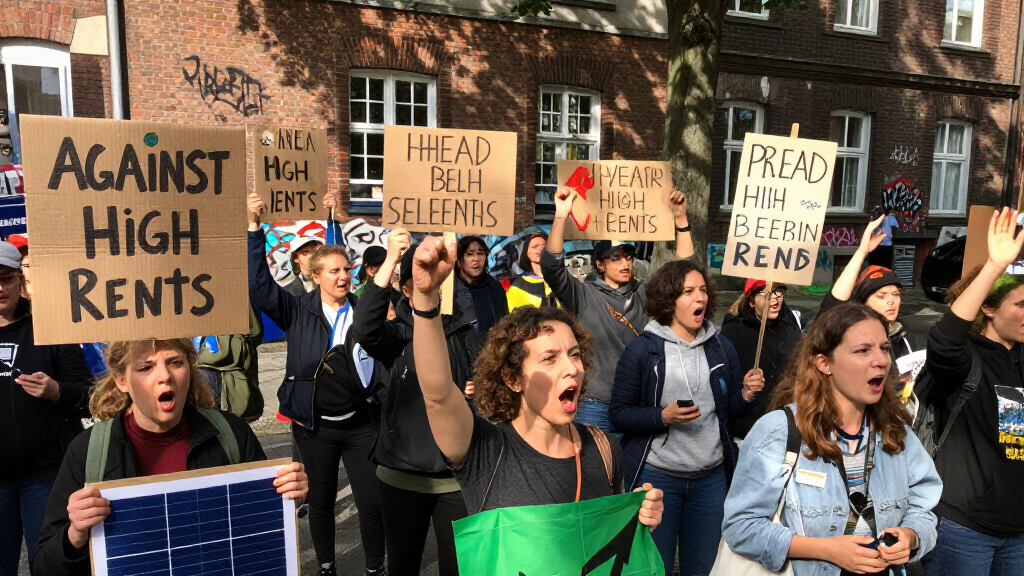
Ahead of Berlin’s upcoming local election, residents staged protests against high rent prices, emphasizing housing affordability concerns. The protests reflect widespread dissatisfaction and are gaining media attention.
In Berlin, residents and housing advocates gathered in protest against escalating rent prices, just days before the city’s upcoming local election. The demonstration underscores ongoing concerns over housing affordability in the German capital, which has become a central issue in the electoral debate.
The protest was held on the streets of Berlin, with participants carrying banners demanding rent controls and more affordable housing options. According to organizers, the rally drew several hundred people from various districts of the city. The protest was peaceful, and police confirmed no incidents or arrests occurred during the demonstration.
Local authorities and election candidates have acknowledged the issue, with some politicians proposing measures to curb rent increases and expand affordable housing projects. However, critics argue that policy responses have been insufficient to address the scale of the problem, which has worsened over recent years.
The protest’s timing, ahead of the election, indicates residents’ desire to influence housing policies and push candidates to prioritize this issue. The event also received coverage from local media, amplifying public awareness of the housing crisis in Berlin.
Impact of Housing Protest on Berlin’s Election Campaign
The protest highlights the importance of housing affordability in Berlin’s electoral landscape. With rising rents affecting a broad demographic, the demonstration signals voter concern that candidates may need to address this issue more aggressively. The event could influence campaign platforms and policy debates, especially if public pressure continues to grow.
Housing affordability has become a defining issue in many German cities, and Berlin’s protest reflects a broader trend of urban residents demanding action from policymakers. The protest may also energize grassroots movements and increase voter turnout among those affected by high rents.
As an affiliate, we earn on qualifying purchases.
Berlin’s Ongoing Housing Affordability Challenges
Over the past decade, Berlin has experienced a surge in property prices and rent increases, driven by urban growth, investment influx, and limited new construction. According to recent reports, rent prices in Berlin have risen by approximately 30% over the last five years, making the city one of the most expensive in Germany for renters.
Despite efforts such as rent caps introduced in 2020, critics argue that these measures have been only partially effective, with landlords finding ways to circumvent regulations. The issue remains a hot topic among residents, with many expressing frustration over the lack of affordable options and fears of displacement.
The upcoming election is seen as a pivotal moment for policymakers to address these concerns, with some candidates proposing rent freezes, increased social housing funding, and stricter regulations on property speculation.
portable space heater for apartment
As an affiliate, we earn on qualifying purchases.
As an affiliate, we earn on qualifying purchases.
Unclear Impact of Protest on Election Outcomes
It is not yet clear how significantly the protest will influence voter behavior or candidate platforms in the upcoming election. While the issue is prominent, the extent to which it will sway electoral results remains uncertain, as other factors such as transportation, safety, and economic policies also play critical roles.
Additionally, the response from politicians and whether they will adopt more aggressive housing policies post-election is still developing. The protest’s long-term impact on policy remains to be seen.
As an affiliate, we earn on qualifying purchases.
Next Steps in Berlin’s Housing Policy Debate
Following the protest, candidates are expected to further emphasize housing issues in their campaign messaging. The election results will likely determine the future direction of housing policy, with potential shifts towards stricter rent controls or increased social housing investments.
Local authorities may also introduce new measures or proposals in response to public pressure, especially if protests or voter concerns persist. Monitoring policy announcements and election campaign debates in the coming weeks will be crucial to understanding how the issue evolves.
As an affiliate, we earn on qualifying purchases.
Key Questions
How many people participated in the protest?
According to organizers, several hundred residents participated in the demonstration, though exact numbers vary between sources.
What specific demands are protesters making?
Protesters are demanding rent caps, more affordable housing projects, and measures to prevent landlords from increasing rent excessively.
Has the government responded to the protest?
Local authorities have acknowledged the issue and some politicians have proposed measures to address rising rents, but no immediate policy changes have been announced in direct response to the protest.
Could the protest influence election results?
It is uncertain how much the protest will impact voter preferences, but housing affordability is a key issue that could sway voter turnout and candidate platforms in the upcoming election.
What are the upcoming steps regarding housing policy in Berlin?
Post-election, policymakers are expected to consider new housing measures, with candidates likely to propose further reforms. The election outcome will shape the city’s approach to tackling high rents.
Source: local
Fall Picks
fall essentials
As an affiliate, we earn on qualifying purchases.