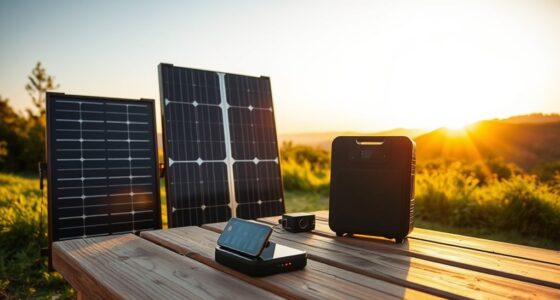
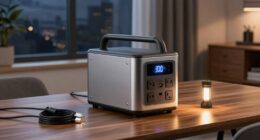
For those seeking reliable, long-lasting portable power, a portable power station with Lifepo4 offers superior battery longevity and safety. The EF ECOFLOW Delta 2 stands out as the overall best for its capacity and fast charging, while the Jackery Explorer 2000 v2 excels in large capacity for extended use. Another notable pick is the Anker SOLIX C1000, which balances power and portability. However, consumers face tradeoffs such as higher cost for advanced battery chemistry or limited capacity in more compact models. Keep reading for a detailed comparison to help you find the right fit for your needs.
Complete the kit

Key Takeaways
- Large capacity models like the Jackery Explorer 2000 v2 deliver extended runtime but come with higher price tags.
- Lifepo4 batteries significantly extend lifespan and safety compared to traditional lithium-ion options.
- Fast charging features are common but vary in speed and compatibility, impacting usability during emergencies.
- Portability varies widely; compact models excel for travel, while larger units suit home backup or off-grid use.
- Price differences often reflect capacity, build quality, and added features like solar compatibility.




| portable power station with lifepo4 | Battery Type | Capacity |
|---|---|---|
| EF ECOFLOW Portable Power Stat | — | — |
| AFERIY 2048Wh Portable Power S | LiFePO4 | — |
| Librids Portable Power Station | LiFePO4 | 640Wh |
| Jackery Explorer 2000 v2 Porta | LiFePO4 | 2042Wh |
| Anker SOLIX C1000 Portable Pow | LiFePO4 | — |
| DARAN Portable Power Station 2 | — | — |
| EF ECOFLOW Portable Power Stat | LiFePO4 | — |
| 1000W Portable Power Station 1 | LiFePO4 | 1024Wh |
| Jackery Portable Power Station | — | 292Wh |
| DaranEner Portable Power Stati | — | 192Wh |
| VTOMAN Jump 600X Portable Powe | LiFePO4 | 299Wh (expandable to 939Wh) |
| Jackery Explorer 1000 v2 Porta | LiFePO4 | — |
| Anker Portable Power Station S | LiFePO4 | 288Wh |
More Details on Our Top Picks
EF ECOFLOW Portable Power Station DELTA 2, 1024Wh LiFePO4 Battery, 1800W AC/100W USB-C, Solar Generator for Home Backup, Camping & RVs
The EF ECOFLOW DELTA 2 stands out for its combination of high capacity and flexibility, with a 1024Wh LiFePO4 battery that offers rapid charging and expansion options up to 3kWh. Compared to the Jackery Explorer 2000 v2, it provides slightly less capacity but benefits from faster charging times—80% in 50 minutes—making it more practical for quick setups. Its ability to expand capacity means it adapts well to both short trips and extended outages. However, the base model’s capacity is limited without expansion, and solar input requires an optional panel, adding to overall costs. This pick makes the most sense for users who want a reliable, fast-charging, expandable power station for versatile outdoor and backup needs.
Pros:- Fast charging from 0 to 80% in 50 minutes
- Expandable capacity up to 3kWh for versatility
- Long-lasting LiFePO4 battery with over 3000 cycles
- Multiple outlets for powering most appliances
Cons:- Price not specified, potentially costly for some budgets
- Requires optional solar panel for solar recharging
- Limited capacity in base form without expansion
Best for: Homeowners and campers needing quick, reliable power with future expansion potential
Not ideal for: Heavy users demanding maximum capacity without additional investment or those requiring built-in solar input without extra gear
- Battery Capacity:1024Wh
- Battery Chemistry:LiFePO4 (LFP)
- AC Output:1800W
- USB-C Output:100W
- Solar Input:Up to 500W
- Expandable Capacity:1-3kWh
- Cycle Life:3000+ cycles
- Charging Time:0-80% in 50 mins
Our verdict“This is an excellent all-around choice for those seeking a flexible, fast-charging, and expandable portable power station.”
AFERIY 2048Wh Portable Power Station 2400W (Peak 4800W) with LiFePO4 Battery and AC Fast Charging
The AFERIY 2048Wh excels in delivering high power outputs—2400W continuous and 4800W surge—making it ideal for powering multiple devices simultaneously, even during emergencies. Its long cycle life of over 3500 cycles and 7-year warranty surpass many competitors like the Jackery Explorer 2000 v2, which offers similar capacity but less surge power and fewer ports. The device’s quiet operation and app support add convenience for managing energy remotely. The main tradeoff is its weight—at 48.5 lbs, portability is compromised, which may deter frequent transport. This model is better suited for users who prioritize raw power and reliability over portability.
Pros:- High continuous and surge power for multiple devices
- Over 3500 cycle lifespan with long warranty
- Quiet operation and remote app management
- Server-level UPS functionality
Cons:- Heavy at 48.5 lbs, less portable
- Price not specified, potentially high for budget-conscious users
Best for: Emergency preparedness and outdoor professionals requiring high surge capacity and reliable long-term use
Not ideal for: Casual campers or those needing a lightweight, portable option for light use
- Battery Capacity:2048Wh
- Peak Power:4800W
- Continuous Power:2400W
- Battery Type:LiFePO4
- Cycle Life:3500+ cycles
- Warranty:7 years
- Ports:6 AC, 2 USB, 4 Type-C, 2 DC5521, 1 car outlet, 1 XT60
- Weight:48.5 lbs / 22 kg
Our verdict“This power station is best for users needing substantial power output and durability, even at the expense of portability.”
Librids Portable Power Station C600, 640Wh LiFePO4 Battery, 600W (1200W Peak) Solar Generator, Fast Charge, UPS, 8 Ports for Camping and Home Backup
The Librids C600 offers a compact yet capable solution, with 640Wh capacity and 600W continuous output, suitable for short-term camping and home backup. Its rapid 1.5-hour charge makes it ready quickly, an advantage over larger units like the EF ECOFLOW DELTA 2 which takes longer to recharge. Its 8 ports, including 4 AC outlets, and pure sine wave inverter cater to sensitive electronics. However, its relatively small capacity limits prolonged use and outdoor exposure, as it’s designed mainly for indoor or well-ventilated environments. The heavier weight and bulk can challenge portability for those seeking lightweight solutions.
Pros:- Fast 1.5-hour recharge time
- Long lifecycle with over 4000 cycles
- Multiple output ports including AC and USB
- Pure sine wave inverter for sensitive electronics
Cons:- Heavy and bulky for truly portable use
- Limited to dry, indoor environments
Best for: Campers and emergency users needing a quick, reliable power source for short durations indoors or in dry environments
Not ideal for: Outdoor adventurers requiring all-day power or outdoor wet condition use
- Capacity:640Wh
- Power Output:600W (1200W Peak)
- Charging Time:1.5 hours
- Battery Type:LiFePO4
- Cycle Life:4000+ cycles
- Ports:4 AC, USB, Type-C, DC
Our verdict“This pick is ideal for users needing a quick, reliable power backup in controlled environments, not for extended outdoor use.”
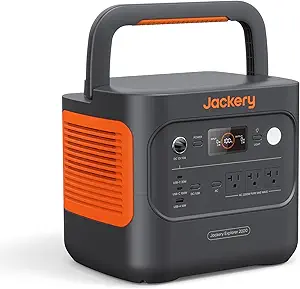
Jackery Explorer 2000 v2 Portable Power Station, 2042Wh LiFePO4 Battery, 2200W Solar Generator, USB-C PD 100W Fast Charging
The Jackery Explorer 2000 v2 combines a substantial 2042Wh capacity with a lightweight design at just 39.5 lbs, making it one of the most portable high-capacity units. Its 2200W output supports most home and outdoor devices, and fast charging features—66 minutes to 80%—are a notable advantage over bulkier options. While its capacity rivals larger models like the AFERIY 2048Wh, it remains more manageable for transport and quick deployment. The need for specific solar panels for optimal solar recharging could be a limitation, but overall, it balances power and portability effectively.
Pros:- High capacity of 2042Wh in a portable package
- Fast recharge with under 1.5 hours to 80%
- Lightweight for its size at 39.5 lbs
- Supports multiple devices with 2200W output
Cons:- Requires specific solar panels for full solar recharge
- Limited shipping options restrict availability
Best for: Outdoor enthusiasts and small households needing reliable, high-capacity power in a portable form
Not ideal for: Users seeking a stationary backup solution or those with no access to compatible solar panels
- Capacity:2042Wh
- Output Power:2200W
- Full Charge Time:102 minutes
- Charging Time (AC Fast):66 minutes
- Battery Type:LiFePO4
- Weight:39.5 lbs
Our verdict“This model suits users who need a high-capacity, portable power station without sacrificing ease of transport.”
Anker SOLIX C1000 Portable Power Station, 1800W (Peak 2400W), 1056Wh LiFePO4 Battery, Solar Generator for Home Backup and Camping
The Anker SOLIX C1000 offers a shorter recharge time—under an hour to full—making it ideal for users who need fast turnaround. Its 1056Wh capacity is smaller than larger units like the AFERIY 2048Wh, but its compact size and quick 43-minute recharge make it appealing for outdoor trips and emergency use. Its high surge capacity of 2400W supports a range of appliances, and the long cycle life of 3000+ cycles ensures reliability over years. However, the smaller capacity limits its use for extended power needs, and its reliance on an app for ultra-fast recharging might complicate quick setups for some users.
Pros:- Fast recharge in under 1 hour
- High surge capacity of 2400W
- Long cycle life of over 3000 cycles
- Compact and lightweight design
Cons:- Limited capacity for long-term use
- Requires app for ultra-fast charging setup
Best for: Outdoor enthusiasts and emergency users wanting a compact, fast-charging power station
Not ideal for: Users needing long-lasting, high-capacity backup for extended outages or large appliances
- Battery Capacity:1056Wh
- Peak Power:2400W
- Full Charge in:Under 1 hour
- Recharge Rate:Up to 600W via solar
- Battery Type:LiFePO4
- Cycle Life:3000+ cycles
Our verdict“This device is best suited for users prioritizing quick recharge and portability over large capacity.”
DARAN Portable Power Station 288Wh LiFePO4 Battery with 350W Power Output
This model stands out for its lightweight design at just 8.2 pounds, making it highly portable without sacrificing essential features. Compared with larger options like the EF ECOFLOW DELTA 3, it offers a more manageable size for quick trips or emergency kits, but its smaller 288Wh capacity limits run time for more demanding devices. The multiple ports—including AC, USB-C, and USB-A—support several devices simultaneously, yet the lack of included solar or car charging cables could be inconvenient for off-grid use. This pick is well-suited for users who need a reliable backup for small electronics during short outings or emergencies, but not for those requiring high-power appliances or extended power supply.
Pros:- Supports multiple devices simultaneously with diverse ports
- Lightweight and compact for easy portability
- Supports solar, wall, and car charging options
Cons:- Solar panels and car charging cables sold separately
- Limited to devices ≤350W, restricting high-power appliance use
- Battery capacity may be insufficient for longer or more demanding power needs
Best for: Individuals seeking a portable, lightweight backup for essential small devices during short trips or emergencies.
Not ideal for: Users who need to power larger appliances or require extensive capacity for extended off-grid use, due to its limited 288Wh capacity.
- Battery Capacity:288Wh
- Rated Power:350W
- Peak Power:600W
- Weight:8.2 lbs
- Dimensions:10.0 x 6.6 x 8.2 in
- Charging Ports:2×350W AC outlets, 1×60W PD USB-C, 2×18W USB-A, 1×DC I/O
Our verdict“This is an ideal choice for those needing a compact backup for small electronics during quick outings or emergencies.”
EF ECOFLOW Portable Power Station DELTA 3 Classic, 1024Wh LiFePO4 Battery, 1800W AC/100W USB-C, Fast Charge, Solar Generator for Home, Camping & RVs
The EcoFlow DELTA 3 Classic is distinguished by its substantial 1024Wh capacity and 1800W continuous power output, making it suitable for powering larger appliances or serving as a home backup. Unlike the smaller DARAN, it can handle high-wattage devices, but its size and weight—being considerably heavier and bulkier—may limit portability. The fast-charging feature and solar recharging support make it adaptable for off-grid living, yet it requires an additional solar panel (sold separately) to harness solar energy effectively. This product is best for users who need a powerful, reliable source for extended use or backup at home and are less concerned with ultimate portability.
Pros:- High-capacity 1024Wh LiFePO4 battery for long-lasting power
- Powerful 1800W continuous output suitable for appliances
- Fast recharge time and solar compatibility for off-grid use
- Smart app control for monitoring and management
Cons:- Requires buy-in of a separate solar panel for solar recharging
- Heavy and bulky, less portable for outdoor adventures
- Limited device compatibility for some smart features
Best for: Homeowners or outdoor enthusiasts who prioritize capacity and power output over portability for backup or off-grid applications.
Not ideal for: Travelers or backpackers who need lightweight, easy-to-carry units, as this model is quite sizable and heavy.
- Battery Capacity:1024Wh
- Battery Type:LiFePO4
- AC Output:1800W
- Surge Power:3600W
- USB-C Output:100W
- Recharge Time with Solar:2.5 hours with 500W panel
Our verdict“This is a strong choice for those needing substantial power capacity for home backup or large outdoor setups, accepting less portability.”
1000W Portable Power Station 1024Wh LiFePO4 Solar Generator for Home Emergency Camping
This 1024Wh capacity unit balances substantial power with portability, making it a compelling option for extended off-grid adventures or emergency backup. It supports multiple devices at once and features an impressive peak power of 2000W, allowing it to handle short surges of high-demand appliances. Compared with smaller models like the Jackery Explorer 300, it offers much longer runtime but at a weight of nearly 28 pounds, which could be a hassle for some users. Solar compatibility enhances its off-grid appeal, but the weight and limited runtime at full load mean it’s better suited for steady, moderate power needs rather than heavy-duty, continuous use.
Pros:- High capacity with 1024Wh LiFePO4 battery for long-term power
- Supports multiple devices simultaneously with various ports
- Solar compatible for off-grid living
- Relatively portable given its capacity and handle
Cons:- Heavy at 27.73 lbs, less ideal for frequent carrying
- Limited runtime of 2 minutes at maximum load
- Requires sunlight for effective solar charging, which varies
Best for: Campers and preppers needing a sizable, portable power source capable of supporting multiple devices for extended periods.
Not ideal for: Hikers or anyone requiring ultra-lightweight gear, given its weight and bulk, or users needing to run high-energy appliances continuously.
- Wattage:1000 watts
- Capacity:1024Wh
- Peak Power:2000W
- Battery Type:LiFePO4
- Weight:27.73 lbs
- Dimensions:18″L x 12″W x 16″H
Our verdict“This unit fits well for those who prioritize capacity and versatility over ultra-light portability for off-grid or emergency use.”
Jackery Portable Power Station Explorer 300, 292Wh LiFePO4 Battery, Solar Generator for Outdoors Camping Travel Hunting
The Jackery Explorer 300 offers a compact, durable design with a 292Wh LiFePO4 battery, ideal for outdoor activities like camping and travel. Its weight of just 7.5 pounds makes it highly portable, and it supports solar charging, although the solar panel is sold separately. While its capacity is lower than larger models like the EF ECOFLOW DELTA 3, it excels in ease of transport and quick setup, supporting over 4,000 charge cycles for long-term reliability. It’s suitable for powering small electronics and some low-demand devices but isn’t meant for high-power appliances or extended use of larger gadgets.
Pros:- Lightweight and portable for outdoor use
- Supports multiple devices with various ports
- Long-lasting LiFePO4 battery with over 4,000 cycles
- Supports solar charging for off-grid use
Cons:- Solar panel not included, adding extra cost
- Limited capacity restricts powering larger appliances
- Not suited for continuous high-demand applications
Best for: Hikers, campers, and outdoor travelers needing a lightweight, reliable power source for small devices and electronics.
Not ideal for: Those requiring to power larger appliances or needing longer runtime, due to its limited 292Wh capacity.
- Weight:7.5 lbs
- Capacity:292Wh
- Output:300W rated (600W surge)
- Charging Cycles:Over 4,000
- Charging Time:Approximately 2.8 hours with 100W solar panel
Our verdict“This is a perfect companion for outdoor enthusiasts who need dependable, portable power for small electronics during trips.”
DaranEner Portable Power Station, 192Wh LiFePO4 Battery Backup Solar Generator with 2 300W AC Outlets, USB-C PD 60W, for Camping, Outdoor, Home, Emergency
This 192Wh unit emphasizes portability and quick recharging, with a 300W pure sine wave inverter capable of handling small household devices or multiple gadgets. Compared with the Jackery Explorer 300, it’s smaller and lighter at just over 5.7 pounds, making it easier to carry for brief outdoor use or emergencies. Its multiple charging options, including solar, car, and AC, add versatility, but the limited 60W solar input restricts charging speed and effectiveness in cloudy conditions. Ideal for users who need a lightweight, reliable backup for essential electronics, but not for powering high-wattage appliances or for extended off-grid living.
Pros:- Long-lasting LiFePO4 battery with over 3,500 cycles
- Lightweight and compact design for portability
- Multiple charging options including solar, AC, and car
- Built-in LED flashlight with SOS mode
Cons:- Maximum solar input limited to 60W, slowing recharging
- Not suitable for high-power appliances
- Limited capacity for longer or demanding use
Best for: Preppers, outdoor users, and emergency responders needing a lightweight, quick-charging backup for small electronics.
Not ideal for: People who want to run larger devices or require long runtime at high loads, as its capacity and power are limited.
- Capacity:192Wh
- AC Outlets:2×300W (Peak 600W)
- USB-C PD:60W
- USB-A Ports:2×18W QC3.0
- Surge Power:600W
- Weight:5.73 lbs
Our verdict“This is best suited for users needing a small, portable backup for essential electronics during outdoor or emergency situations.”
VTOMAN Jump 600X Portable Power Station 600W with Car Jump Start and Solar Compatibility
The VTOMAN Jump 600X stands out for its combination of power, durability, and extra features like the built-in car jump start. Its 299Wh capacity, expandable to 939Wh, makes it suitable for both short trips and extended use, especially when paired with solar input. Compared with the Anker SOLIX C300, this model offers higher output power and jump-start capability, making it more versatile for emergencies. However, its weight and size are less ideal for portability, and the jump cables are sold separately, adding to the cost. This pick is perfect for those who want a reliable, multi-purpose power station that can handle emergencies and outdoor adventures without frequent recharging.
Pros:- Combines portable power and car jump start in one device
- Expandable capacity for longer use
- Multiple output ports for versatile device charging
- Long-lasting LiFePO4 battery with 3,000 cycles
Cons:- Jump cables sold separately
- Relatively heavy and bulky
- Higher price point due to advanced features
Best for: Outdoor enthusiasts and emergency prepper households needing a durable, expandable power source with jump-start functionality
Not ideal for: Lightweight travelers or those prioritizing ultra-compact devices due to its bulk and weight
- Capacity:299Wh (expandable to 939Wh)
- Battery Type:LiFePO4
- AC Output:600W (surge 1200W)
- USB-C Output:60W
- Car Jump Start:Yes
- Charging Time:3 hours (wall/car), 4-6 hours (solar)
Our verdict“This device fits those seeking a reliable, multi-use power station with emergency capabilities, despite its size and cost.”
Jackery Explorer 1000 v2 Portable Power Station, 1070Wh LiFePO4 Battery, 1500W AC/100W USB-C, Fast 1-Hour Charge, Solar Generator for Camping, Emergency, RV, Off-Grid
The Jackery Explorer 1000 v2 offers a significant jump in capacity and rapid charging, making it ideal for powering multiple appliances during extended trips or emergencies. Its 1070Wh LiFePO4 battery surpasses the VTOMAN Jump 600X in capacity, while the 1500W AC output handles more demanding devices. The 1-hour fast charge and smart app control set it apart for convenience and quick recharging. Compared to the Anker SOLIX C300, it provides more power and longer lifespan, though it is heavier at nearly 24 pounds, which could hinder portability. This model is best suited for users who need dependable, high-capacity power for prolonged off-grid use without frequent recharging.
Pros:- High capacity of 1070Wh for extended use
- Fast 1-hour recharge with advanced tech
- Long battery lifespan over 10 years
- Versatile ports including USB-C PD 100W
Cons:- Relatively heavy at 23.8 lbs
- Solar charging only compatible with Jackery panels
- No included solar panel
Best for: Campers, RV owners, and emergency preparedness groups needing high capacity and rapid recharging
Not ideal for: Travelers seeking a lightweight, ultra-portable unit or those with limited storage space
- Battery Capacity:1070Wh
- Battery Type:LiFePO4
- AC Output:1500W
- USB-C Output:100W
- Charge Time:1 hour (fast charge)
- Lifespan:Over 10 years (4000+ cycles)
Our verdict“This power station suits those who prioritize capacity and rapid charging, accepting additional weight and cost for long-term reliability.”
Anker Portable Power Station SOLIX C300, 288Wh LiFePO4 Battery, 300W Solar Generator, 140W Fast Charging, for Camping, Travel, Emergencies
The Anker SOLIX C300 shines for its portability and quiet operation, making it an excellent choice for light outdoor use and travel. With a 288Wh capacity and 300W (600W surge) output, it handles basic devices well but falls short for larger appliances when compared with the Jackery Explorer 1000 v2. Its fast recharging in about 50 minutes and multiple ports, including USB-C, offer convenience, but it’s less suited for high-demand appliances or extended off-grid living. Its smaller size makes it easier to carry, yet the lack of compatibility with some solar panels and unspecified weight may limit its versatility. This pick is perfect for those who value mobility and quiet operation over raw power or capacity.
Pros:- Compact and lightweight for portability
- Multiple versatile charging ports
- Quiet operation at 25dB
- Long cycle life of 3,000 cycles
Cons:- Limited capacity for high-demand devices
- Not compatible with some solar panels
- Weight and dimensions not specified, affecting portability clarity
Best for: Travelers, hikers, and light emergency users needing a compact, quiet power source with fast recharge
Not ideal for: Users needing high wattage or extended power for larger appliances or off-grid living
- Capacity:288Wh
- Battery Type:LiFePO4
- Power Output:300W (600W surge)
- Charging Ports:3x AC, 2x USB-C, 1x USB-A, 1x car socket
- Recharging Time:80% in 50 minutes
- Noise Level:25dB
Our verdict“This device caters to those who need a small, quiet, and reliable power source for travel or light emergencies, accepting limited capacity.”

How We Picked
I evaluated each power station based on capacity (Wh), battery chemistry (specifically Lifepo4), output options, charging speed, portability, and overall build quality. Durability and safety features also played a key role, especially for off-grid and emergency use. The ranking considers value for money—balancing features against price—along with versatility and user-friendliness. Products with a proven track record of reliability and positive reviews were prioritized, ensuring the list caters to different needs without compromising quality.Factors to Consider When Choosing Portable Power Station With Lifepo4
Choosing a portable power station with Lifepo4 batteries involves understanding several key factors. Capacity, measured in watt-hours (Wh), determines how long your devices can run. Power output, especially AC wattage, influences what appliances you can operate. Portability is essential if you’ll carry the unit often, but larger capacities often mean more weight. Solar compatibility offers off-grid charging options, yet not all units support fast or universal solar panels. Finally, consider the total cost and ensure the device’s features match your specific power needs to avoid overspending or underpowering.Capacity and Runtime
The capacity of a power station, expressed in Wh, directly impacts how long it can power your devices. Larger capacities like 2000Wh are ideal for extended use or backup power for essential home electronics, while smaller units around 300Wh suit quick camping trips or emergencies. It’s important to match capacity with your typical energy consumption to avoid buying more than you need or facing insufficient runtime. Remember, capacity also affects weight and portability, so consider where you’ll use it most.
Power Output and Compatibility
Look at both the continuous wattage and surge capacity. Higher wattage allows powering more demanding devices like laptops, small refrigerators, or medical devices. Many units feature multiple outlets, including AC, USB-C, and USB-A ports, expanding versatility. A common mistake is underestimating the power needs of your devices—ensuring the unit can handle peak surges is equally important. Also, verify if the power station supports fast charging for your devices, reducing downtime.
Portability & Size
Portability is a key consideration when choosing a Lifepo4 power station. Compact models tend to weigh less and are easier to carry, making them suitable for travel or outdoor activities. Larger units, though heavier, provide greater capacity and better backup solutions for home or off-grid use. Balance your need for mobility against capacity; a too-heavy unit might be impractical for frequent transport. Consider handles, wheels, and form factor as part of your decision to ensure it fits your lifestyle.
Solar Compatibility & Charging
Many Lifepo4 power stations support solar input, enabling off-grid recharging. Ensure the unit is compatible with standard solar panels and check the input wattage to determine charging times. Fast charging options for AC and DC inputs can significantly reduce downtime, especially in emergencies. Beware of units with limited solar input compatibility or complex charging setups, which can hinder ease of use. Solar capacity should match your typical outdoor or backup power needs for efficiency.
Price & Value
Price varies widely based on capacity, features, and build quality. While investing in a high-capacity, Lifepo4-based station might seem costly upfront, it often results in longer lifespan and safer operation, reducing long-term costs. Cheaper models may lack durability or have lower power output, limiting their usefulness. Focus on a balance between your budget and your actual power needs, and beware of overspending on features you won’t use. Always consider the total value, not just the sticker price.
Frequently Asked Questions
How long does a Lifepo4 battery last compared to traditional lithium-ion?
Lifepo4 batteries typically last 2-3 times longer than traditional lithium-ion batteries, often exceeding 2,000 charge cycles without significant capacity loss. This makes them ideal for frequent use and long-term investments, reducing replacement costs. Their stable chemistry also enhances safety, especially under high temperatures or stress. As a result, Lifepo4-based power stations tend to be more reliable for off-grid, emergency, or continuous backup applications.
Can I use a Lifepo4 power station for sensitive electronics like laptops and medical devices?
Yes, Lifepo4 power stations generally provide stable, clean power suitable for sensitive electronics. They often include pure sine wave inverters, which prevent voltage fluctuations that could damage delicate devices. However, it’s essential to verify the inverter quality and wattage capacity to ensure compatibility. Properly rated units will help protect your electronics while delivering reliable power during outdoor trips or emergencies.
Are Lifepo4 batteries safe for outdoor use and extreme weather?
Absolutely, Lifepo4 batteries are known for their enhanced safety features, including thermal stability and resistance to overheating or combustion. They perform well across a range of temperatures, making them suitable for outdoor use, camping, and off-grid applications. Still, it’s wise to keep the unit in a protected, dry place and avoid exposing it to extreme moisture or direct sunlight for prolonged periods. Proper handling extends the lifespan and maintains safety.
Is it worth paying more for a Lifepo4 power station with larger capacity?
Investing in a larger capacity Lifepo4 power station makes sense if you require extended runtime or plan to power multiple devices simultaneously. While the initial cost is higher, the longer lifespan, increased safety, and better performance often justify the expense. For occasional or lightweight use, smaller or less costly models might suffice, but for frequent or critical applications, opting for a larger, high-quality unit pays off in durability and reliability.
Can I expand the capacity of a Lifepo4 power station with additional batteries?
Some Lifepo4 power stations support expansion with additional batteries, but this feature is not universal. When available, it allows for increased capacity without replacing the entire unit, offering flexible scalability. Always check compatibility and connection options before purchasing if future expansion is a priority. Keep in mind, adding batteries can increase weight and complexity, so consider whether the added capacity aligns with your portability needs.
Conclusion
For most users, the EF ECOFLOW Delta 2 offers a compelling mix of capacity, portability, and fast charging, making it the best overall choice. The Jackery Explorer 2000 v2 stands out for those needing extended runtime and large capacity, ideal for home backup or off-grid living. Budget-conscious buyers or beginners might lean toward smaller models like the Jackery Explorer 300 or Anker SOLIX C300, which deliver dependable power at a lower price. Serious adventurers or professionals should consider premium options like the AFERIY 2048Wh for maximum capacity and advanced features. Ultimately, your choice depends on balancing capacity, portability, and budget to match your specific power needs.