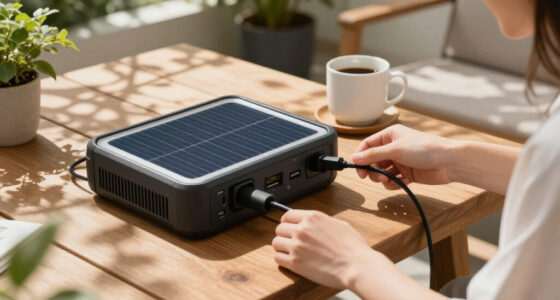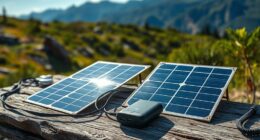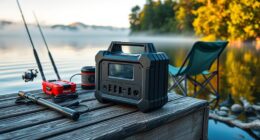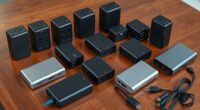
When a storm knocks out your power, having a reliable portable power station can keep essentials running. The Anker SOLIX S2000 stands out as the overall top pick for its massive capacity and robust output, ideal for long outages. The UDPOWER S1200 Solar Generator Kit offers excellent solar recharge capability, making it perfect for extended emergencies. Meanwhile, the Jackery Explorer 1000 balances power and portability for most households. The main challenge in choosing a storm-ready power station lies in balancing capacity, weight, and recharging options. Continue reading for a detailed breakdown of the best models and what makes each one unique.

Get backup power and energy gear delivered free with Prime
- Fast, free delivery on millions of items
- Prime Video, Amazon Music and more included
- Member-only deals all year
Complete the kit


Key Takeaways
- The highest capacity units like the Anker SOLIX S2000 provide the most power but are heavier and less portable.
- Solar input capability is a key feature for extended outages, as seen with the UDPOWER S1200 kit.
- Size and weight significantly influence usability during storm emergencies, favoring smaller models for portability.
- Inverter wattage and surge capacity determine how many appliances can run simultaneously; higher ratings offer more flexibility.
- Build quality and battery chemistry, such as LiFePO4, impact longevity and safety during prolonged use.


| portable power station for storm | Capacity | Weight | Battery Type |
|---|---|---|---|
| Anker SOLIX S2000 Portable Pow | 2010Wh | 35.7 lbs | LFP (Lithium Iron Phosphate) |
| UDPOWER S1200 1190Wh Solar Gen | — | 25.8 pounds | — |
| Librids Portable Power Station | 640Wh | — | LiFePO₄ |
| 1000W Portable Power Station 1 | 1024Wh | 27.73 lbs | LiFePO₄ |
| Portable Power Station 300W | 192Wh | — | LiFePO₄ |
| UDPOWER S1200 Portable Power S | — | — | LiFePO4 |
| MARBERO Portable Power Station | 88Wh | 3.2 lbs | — |
| DaranEner Portable Power Stati | — | 5.8 lbs | — |
| Jackery Explorer 300 Portable | 292Wh | 7.5 lbs | — |
| Jackery Explorer 1000 v2 Porta | 1070Wh | 23.8 lbs | — |
| ALLWEI Portable Power Station | 256Wh | — | LiFePO4 |
| 1000W Portable Power Station 1 | 1024Wh | 27.73 pounds | LiFePO4 |
| OUKITEL P2001 Plus Portable Po | 2048Wh | 21.5 kg | LiFePO4 |
| BLUETTI AC180 Portable Power S | — | 37.4 pounds | LiFePO4 |
| GRECELL Portable Power Station | 519Wh | — | — |
More Details on Our Top Picks
Anker SOLIX S2000 Portable Power Station, 2010Wh, 1500W
The Anker SOLIX S2000 stands out for its impressive 2010Wh capacity, offering enough power to run critical appliances during extended outages, surpassing smaller options like the Portable Power Station 300W in capacity and runtime. Its lightweight design (35.7 lbs) for its size and multiple recharge options make it versatile for both home and outdoor storm scenarios. However, the lack of a 12V DC port limits some device compatibility, and its power output constrains heavy-duty appliances. Compared with the UDPOWER S1200, it’s more portable but offers less peak power, which is a tradeoff for extended battery life. This model is ideal for those needing reliable, long-lasting backup power without excessive weight.
Pros:- Large 2010Wh capacity for extended power during outages
- Lightweight and portable relative to capacity
- Supports multiple recharging methods including solar
Cons:- No 12V DC port limits some device compatibility
- Limited to essential appliances due to 1500W continuous output
Best for: Homeowners who need a robust, portable power solution capable of sustaining essential appliances for days during storms.
Not ideal for: Users requiring high surge power for heavy-duty devices or those with limited space for larger units.
- Capacity:2010Wh
- Continuous Power:1500W
- Peak Power:3000W
- Battery Type:LFP (Lithium Iron Phosphate)
- Battery Lifespan:10,000 cycles
- Dimensions:8.2 x 11.1 x 12.7 inches
- Weight:35.7 lbs
- Solar Input:up to 400W
Our verdict“This pick makes the most sense for those seeking a reliable, high-capacity power station for prolonged storm outages and outdoor use.”
UDPOWER S1200 1190Wh Solar Generator Kit with 120W Panel, 1200W Power Station for Home Backup, RV, Outdoor, Emergency
The UDPOWER S1200 excels with a 1190Wh LiFePO4 battery and a rapid switching feature that instantly switches to backup power, making it ideal for critical devices during storm outages. Its multiple charging options and included 120W solar panel make it flexible for off-grid or emergency use, but the solar panel ships separately, adding inconvenience. Compared to the Portable Power Station 600W, it offers higher capacity and longer lifespan, yet weighs 25.8 pounds, which may be less suitable for frequent portability. Its fast switch-over and durable battery make it a strong choice for emergency preparedness, especially in sunny conditions.
Pros:- High-capacity 1190Wh LiFePO4 battery with 15+ year lifespan
- Fast switching (<0.01s) for critical devices
- Multiple charging ports including USB-C, USB-A, and AC
Cons:- Solar panel sold separately, adding extra cost and setup
- Relatively heavy at 25.8 pounds for portable use
Best for: Preppers and outdoor enthusiasts who want a reliable, quick-switching power backup with solar recharging during storms.
Not ideal for: People needing ultra-lightweight units or who plan to use it in overcast or cloudy weather frequently.
- Wattage:1200 watts
- Battery Capacity:1190Wh
- Weight:25.8 pounds
- Output Wattage:1200 watts
- Charging Options:Multiple including USB-C, AC, car
- Dimensions:13.7″L x 9.53″W x 9.72″H
Our verdict“This is best suited for those who value rapid device switching and solar versatility in storm scenarios.”
Librids Portable Power Station 640Wh, 1200W Surge, Solar Generator with 4 AC Outlets
The Librids 640Wh provides a balanced combination of capacity and portability, with 4 AC outlets and a 1200W surge capacity. Its fast 1.5-hour charging and long-lasting LiFePO₄ battery with over 4000 cycles make it a trustworthy option for indoor storm backup. Compared to the Anker SOLIX S2000, it’s smaller and lighter but has less overall capacity. It’s less suitable for prolonged outages or powering large appliances, but its rugged design and safety features make it appealing for indoor emergency use. Ideal for users who prioritize quick recharge and reliable backup for smaller devices.
Pros:- Fast 1.5-hour charging time
- Long-lasting LiFePO₄ battery with 4000+ cycles
- Multiple AC outlets for various devices
Cons:- Indoor-only use; not rainproof
- Limited capacity for larger appliances
Best for: Indoor users needing a dependable backup for essential devices during storms without the bulk of larger units.
Not ideal for: Outdoor adventurers requiring higher surge power or longer runtime for heavy-duty appliances.
- Capacity:640Wh
- Surge Power:1200W
- Charge Time:1.5 hours
- Battery Type:LiFePO₄
- Warranty:5 years
- Safety Features:Pure sine wave inverter
Our verdict“This is a solid choice for indoor storm backup and sensitive device protection where space is limited.”
1000W Portable Power Station 1024Wh LiFePO4 for Outdoor & Home
The 1000W Portable Power Station 1024Wh offers a compelling balance of capacity and portability, with a solid 1024Wh LiFePO₄ battery and a 1000W continuous output. Its support for solar input up to 300W and fast charging makes it versatile for outdoor camping or prolonged storm outages. Compared with the Anker SOLIX S2000, it is slightly lighter and more suited for outdoor use, but has less surge power. Its 27.7-pound weight might be cumbersome for some users, though, especially when portability is a concern. This unit suits those who need dependable power with outdoor flexibility.
Pros:- Large 1024Wh capacity with LiFePO₄ battery for durability
- Supports solar charging up to 300W
- Fast charging in 6-8 hours with solar panels
Cons:- Relatively heavy at 27.73 lbs
- Limited to 300W solar input, may not fully charge with larger panels
Best for: Outdoor enthusiasts and emergency preppers who need reliable, long-lasting power in storm conditions.
Not ideal for: Users who need high surge power for appliances like power tools or large kitchen devices.
- Power Output:1000W
- Capacity:1024Wh
- Battery Type:LiFePO₄
- Weight:27.73 lbs
- Solar Input:up to 300W
- Cycle Life:3000+ cycles
Our verdict“This is ideal for those needing dependable outdoor power with long cycle life during storm or camping scenarios.”
Portable Power Station 300W, 600W Surge Solar Generator 192Wh
The Portable Power Station 300W delivers a compact and quick-charging solution for light storm emergencies, with only 192Wh capacity but a fast recharge in just 1 hour. Its multiple ports including USB-C, USB-A, and car outlet make it versatile for small devices, and the built-in UPS ensures seamless power transfer during outages. Compared to larger units like the Anker SOLIX S2000, it’s more portable but can’t power heavy appliances for long. Its limited capacity makes it unsuitable for prolonged outages, but it’s perfect for quick power boosts during short storm events or camping.
Pros:- Fast recharge from 0% to 80% in 1 hour
- Multiple charging ports for versatility
- Long cycle life of over 4000 cycles
Cons:- Limited capacity restricts heavy-duty use
- Solar panel sold separately
Best for: Campers and outdoor adventurers needing compact backup power for essential gadgets during storms.
Not ideal for: Individuals seeking to power larger appliances or sustain devices over extended outages.
- Power Output:300W (600W surge)
- Capacity:192Wh
- Recharge Time:1 hour
- Battery Type:LiFePO₄
- Ports:2 AC, 1 USB-C, 2 USB-A, 1 car
- LED Light:Yes
Our verdict“This is best suited for quick, easy power needs during small-scale storm or outdoor scenarios.”
UDPOWER S1200 Portable Power Station 1200W (Surge 1800W), Solar Input, UPS, UL2743, for Home RV Emergency, Pure Sine Wave
The UDPOWER S1200 stands out for its high-capacity LiFePO4 battery with over 4000 cycles, making it a reliable choice for long-term storm preparedness. Its 1200W continuous output and 1800W surge capacity can handle most essential appliances, similar to the Jackery Explorer 1000, but with a longer lifespan and safer chemistry. While its 400W solar input is sufficient for moderate recharging, it may slow down the process compared to models supporting higher solar wattage, like the Anker SOLIX S2000. The unit’s multiple outlets and fast recharge in 1.5 hours make it very versatile, yet its weight and size could be a drawback for those needing maximum portability. The price isn’t specified but could be a consideration for budget-conscious buyers. Overall, this model is ideal for those who prioritize durability and capacity during power outages but are prepared to handle its bulk.
Pros:- Long-lasting LiFePO4 battery with over 4000 cycles
- High continuous and surge power suitable for most appliances
- Multiple AC and USB-C ports for versatile device charging
- Fast recharge in 1.5 hours and solar-ready
Cons:- Relatively heavy and bulky, less portable for frequent moving
- Limited to 400W solar input, may slow off-grid recharging
Best for: Homeowners or RV users seeking a durable, long-lasting power backup for extended outages or storm scenarios.
Not ideal for: Campers or outdoor adventurers requiring ultra-lightweight, highly portable options for brief trips, as this unit is relatively heavy.
- Power Output:1200W (Surge 1800W)
- Battery Type:LiFePO4
- Battery Cycles:4000+
- AC Outlets:5
- USB-C PD Ports:2
- Solar Input:Max 400W
- Noise Level:<25dB
- Temperature Range:-4°F to 140°F
Our verdict“This power station is best suited for users needing reliable, long-term storm backup with capacity to sustain multiple devices, despite its size.”
MARBERO Portable Power Station 88Wh, 120W Surge, Solar Generator 24,000mAh
The MARBERO 88Wh is designed for portability, making it perfect for quick storm-related needs like charging phones or small devices. Compared to larger units such as the Jackery Explorer 300, its 88Wh capacity is limited, but its compact size and lightweight build—just over 3 pounds—make it easy to carry in a backpack or glove compartment. Its multiple output ports and built-in LED flashlight add to its convenience during power outages or outdoor trips. However, its small capacity means it can’t power larger appliances for long, and the absence of wireless charging could be a drawback for tech-savvy users. It excels for quick, small-scale emergency power rather than sustained support during severe storms. This pick makes the most sense for individuals who prioritize portability and quick charging over capacity.
Pros:- Extremely portable and lightweight design
- Multiple output ports for versatile device charging
- Bright, multi-mode LED flashlight with SOS
- Fast charging from 0 to 80% in 2 hours
Cons:- Limited capacity means short run time for larger devices
- No wireless charging or higher wattage support
Best for: Outdoor enthusiasts or emergency prepper who need a lightweight power source for small devices during storms or camping.
Not ideal for: Those needing to run larger appliances or electronics for extended periods, as its capacity is too limited for such use.
- Capacity:88Wh
- Surge Power:120W
- Battery Capacity:24,000mAh
- Dimensions:6.5 x 4.6 x 3.1 inches
- Weight:3.2 lbs
- Charging Time:0 to 80% in 2 hours
Our verdict“This compact power station is ideal for quick emergency boosts and outdoor adventures, but not for sustained storm power needs.”
DaranEner Portable Power Station 300W (600W Surge), 192Wh LiFePO4 Battery Backup, Solar Generator with 110V AC Outlet
The DaranEner 192Wh offers a balanced mix of portability and power, suitable for those who want a dependable backup during storms without the bulk of larger units like the Jackery Explorer 1000. Its 300W continuous output can handle essential electronics and small appliances, though it won’t support high-power devices for long. The LiFePO4 battery’s over 3,500 cycles promise longevity, and the multiple ports, including USB-C and DC outlets, increase its flexibility. Recharging via AC or solar with an MPPT controller makes it adaptable for off-grid use, but the solar panel isn’t included, and capacity may be insufficient for prolonged outages. This model fits well for emergency prep where moderate power suffices, but it may struggle with higher wattage demands during severe storms.
Pros:- Lightweight and portable at under 6 lbs
- Supports fast recharging via AC or solar
- Long-lasting LiFePO4 battery with 3,500+ cycles
- Multiple versatile output ports
Cons:- Solar panel not included, adding extra cost
- Limited capacity for high-power or long-duration use
Best for: Preppers or outdoor users needing a reliable, portable backup for essential devices during storms.
Not ideal for: Individuals requiring support for large appliances or extended power durations, as capacity is limited.
- Wattage:300W
- Surge Wattage:600W
- Battery Capacity:192Wh
- Weight:5.8 lbs
- Dimensions:8.41″L x 5.28″W x 7.44″H
- Recharging Time:2.2 hrs (AC), 3.3 hrs (solar)
Our verdict“This power station offers dependable backup for essential devices in storm conditions, with portability as a key advantage but limited capacity.”
Jackery Explorer 300 Portable Power Station, 292Wh
The Jackery Explorer 300 is a favorite for its portability, weighing just 7.5 lbs, making it easy to carry during storm evacuations or outdoor excursions. Its 292Wh capacity, while less than larger units like the Jackery Explorer 1000, still provides enough juice for phones, tablets, and small appliances for a few hours. The multiple charging options, including USB-C PD and AC outlets, support a range of devices, and its durable LiFePO4 chemistry promises over 4,000 charge cycles. However, the absence of a solar panel included limits its off-grid recharging options, and its capacity might fall short for powering larger devices during prolonged outages. This makes it a smart pick for occasional or short-term power needs in storm scenarios.
Pros:- Very lightweight and portable
- Multiple versatile charging ports
- Long-lasting LiFePO4 battery with over 4,000 charge cycles
- Fast solar charging capabilities (panel not included)
Cons:- Limited capacity for larger or long-term power needs
- Solar panel not included, requiring additional purchase
Best for: Campers or emergency users needing a lightweight, reliable power source for small devices during storms.
Not ideal for: Users requiring support for larger appliances or extended outage power, as it cannot sustain high wattage for long.
- Capacity:292Wh
- Weight:7.5 lbs
- AC Outlets:2
- USB-C Port:100W PD
- USB-A Ports:2
- Car Port:120W
- Charge Cycles:over 4,000
Our verdict“This compact, lightweight station is perfect for short-term storm power needs for small devices, but not for extended or high-power use.”
Jackery Explorer 1000 v2 Portable Power Station, 1070Wh, 1500W
The Jackery Explorer 1000 v2 offers a substantial 1070Wh capacity, making it suitable for longer outages and running multiple devices at once. Its fast charging in just one hour and over 10 years of expected lifespan with 4000+ cycles make it a durable choice for storm preparedness. Compared to smaller models like the Explorer 300, this unit supports higher wattage and longer operation times, ideal for supporting larger appliances or multiple electronics. However, it relies on Jackery-specific solar panels, which could limit flexibility and increase costs. The 23.8 lbs weight also makes it less portable for frequent movement. This makes it an excellent option for those who want serious power capacity in storm-prone regions and are okay with its bulk.
Pros:- High 1070Wh capacity for extended power needs
- Fast charging from 0 to 100% in one hour
- Long lifespan with over 10 years and 4000+ cycles
- Multiple ports including USB-C PD 100W
Cons:- Solar panel compatibility limited to Jackery’s own panels
- Relatively heavy and bulky for frequent transport
Best for: Preppers or homeowners needing a high-capacity, long-lasting storm backup system for essential appliances and electronics.
Not ideal for: Individuals seeking ultra-lightweight or highly portable units, as this one is relatively heavy and bulky.
- Capacity:1070Wh
- AC Output:1500W
- Surge Peak:3000W
- Weight:23.8 lbs
- Charging Time:1 hour
- Charge Cycles:over 4,000
Our verdict“This power station is ideal for those requiring serious capacity and longevity to handle extended storm outages, despite its weight and higher cost.”
ALLWEI Portable Power Station 300W, 256Wh Solar Generator LiFePO4 Battery
This model stands out for its compact size and portability, making it ideal for outdoor activities like camping or light emergency use. Compared with larger stations like the 1000W Portable Power Station 1024Wh, it sacrifices capacity but gains ease of transport and quick setup. Its 256Wh battery supports multiple recharging options, including solar, which is a plus in off-grid situations, but it can only power devices up to 300W continuously—limiting its use for larger appliances. The lightweight design at just 6.4 pounds makes it accessible for carry-alongs, yet the long charging times and limited power output mean it’s best suited for small electronics rather than high-demand appliances.
Pros:- Extremely lightweight and portable at 6.4 pounds
- Supports multiple recharging methods including solar
- Multiple output ports for versatile device charging
Cons:- Limited to 300W continuous power, unsuitable for high-wattage appliances
- Longer charging times, especially with solar or wall charging
Best for: Hikers, campers, or emergency kits needing a portable, lightweight power source for essential devices.
Not ideal for: Homeowners needing to backup high-power appliances like refrigerators or sump pumps, due to its limited wattage capacity.
- Wattage:300 watts
- Capacity:256Wh
- Battery Type:LiFePO4
- Item Weight:6.4 pounds
- Output Voltage:120 volts
- Recharging Options:Solar, AC, car
Our verdict“This pick is ideal for outdoor enthusiasts and light emergency needs where portability outweighs capacity.”
1000W Portable Power Station 1024Wh LiFePO4 for Outdoor & Home
This station offers a significant step up in capacity with 1024Wh and 1000W continuous power, making it well-suited for longer outages or more demanding camping scenarios. Compared to the smaller ALLWEI 300W, it provides enough juice to run essential appliances like small refrigerators or multiple electronics. Its fast-charging ports, including USB-C PD, and solar compatibility enhance its versatility, but at nearly 28 pounds, it’s less portable and best suited for stationary use or those willing to carry it short distances. The limited runtime at maximum load (just two minutes) indicates it’s best for intermittent use rather than sustained high-power operation.
Pros:- High-capacity 1024Wh battery for extended use
- Fast-charging ports including USB-C PD
- Solar compatible for off-grid recharging
Cons:- Heavy at 27.73 lbs, less ideal for frequent carrying
- Limited runtime under heavy load, only 2 minutes at full capacity
Best for: Homeowners seeking a reliable, portable backup that can handle essential appliances during outages.
Not ideal for: Backpackers or outdoor adventurers who prioritize ultra-light weight and minimal size, as this unit is heavier and bulkier.
- Wattage:1000 watts
- Capacity:1024Wh
- Battery Type:LiFePO4
- Weight:27.73 pounds
- Output Voltage:110 volts
- Charging Time:Approx. 90 minutes
Our verdict“This power station offers a solid mix of capacity and portability for home backup or longer outdoor stays, though it’s less suited for frequent, mobile use.”
OUKITEL P2001 Plus Portable Power Station, 2048Wh, 4800W Peak, Home Backup
This model is designed for serious power needs, with a massive 2048Wh capacity and a peak output of 4800W, making it capable of running large appliances or multiple devices simultaneously. Compared to the 1000W station, it offers twice the capacity and more robust surge power, suitable for whole-home backup or RV use. Its long-lasting LiFePO4 battery (over 4000 cycles) and remote app control add to its appeal. However, at 21.5 kg (about 47 pounds), it’s quite heavy and less portable, requiring setup assistance or stationary placement. The 90-minute recharge time is quick considering its size, but the higher cost may be a barrier for some users.
Pros:- Extremely high capacity suitable for large appliances
- Long cycle life with over 4000 charge cycles
- Remote monitoring via app
Cons:- Heavy and bulky, less suited for frequent portability
- Higher price point compared to smaller units
Best for: Homeowners or RV owners needing a portable but high-capacity power source for critical appliances or entire systems.
Not ideal for: Individuals seeking a lightweight, portable device for frequent outdoor trips, due to its weight and size.
- Capacity:2048Wh
- Peak Power:4800W
- Battery Type:LiFePO4
- Weight:21.5 kg
- Charge Cycles:Over 4000
- Charging Time:90 minutes
Our verdict“This power station is best for those who need serious backup power and can accommodate its size, rather than for casual outdoor use.”
BLUETTI AC180 Portable Power Station 1152Wh LiFePO4 Solar Generator
This station delivers rapid rechargeability with a 1-hour charge time, surpassing many competitors like the ALLWEI or GRECELL in speed. Its 1152Wh capacity and 1800W output make it suitable for running multiple devices or small appliances during outages or outdoor trips. The large number of outlets, including USB-C, adds versatility, while its 5-year warranty offers peace of mind. The main tradeoff is its weight at 37.4 pounds, which limits portability, and the price may be higher for budget-conscious buyers. Its fast charging and high power output make it a strong choice for those who want quick setup during emergencies or outdoor adventures.
Pros:- Fast charging in just 1 hour
- High capacity with 1152Wh
- Multiple outlets including USB-C and AC
Cons:- Heavy at 37.4 pounds, less portable
- Limited detailed review info for some buyers
Best for: Emergency preparedness enthusiasts or outdoor users who prioritize rapid charging and high power output in a portable package.
Not ideal for: Lightweight backpackers or users who need a small, ultra-light power unit, as this is relatively heavy and sizable.
- Battery Capacity:1152Wh
- Output Wattage:1800W
- Charge Time:1 hour
- Number of Outlets:11
- Battery Type:LiFePO4
- Weight:37.4 pounds
Our verdict“Ideal for those who need quick, reliable power with fast recharge times, especially during emergencies or off-grid scenarios.”
GRECELL Portable Power Station 500W, 519Wh Solar Generator Backup Lithium Battery Pack with 2 AC Outlets, PD 60W USB-C, for Outdoor, RV, Camping, Home, Emergency
This station offers a balanced mix of capacity and portability, with 519Wh and a 500W continuous output, making it suitable for charging phones, laptops, and small appliances. Compared with the ALLWEI or OUKITEL, it provides more power than the compact units but is lighter and easier to carry. Its multiple ports, including fast-charging USB-C, and wireless charging make it highly versatile for outdoor trips or emergency scenarios. However, it’s limited to devices under 500W, and solar recharging, while flexible, can be slow in low sunlight. The absence of a solar panel in the package means additional investment if solar power is desired.
Pros:- Balanced capacity suitable for multiple devices
- Fast-charging USB-C PD and wireless charging
- Multiple recharging options including solar
Cons:- Limited to devices under 500W
- Additional purchase needed for solar panels
Best for: Campers, outdoor adventurers, or emergency users needing reliable, portable power for multiple small devices.
Not ideal for: Heavy-duty users or those requiring to run high-power appliances continuously, as it’s limited to 519Wh and 500W output.
- Capacity:519Wh
- Output Power:500W
- USB-C PD:Yes
- Wireless Charging:Yes
- Recharge Time:6-9 hours
- Ports:AC, USB-C, USB-A, wireless
Our verdict“This power station is best for outdoor enthusiasts and emergency prep with moderate power needs, but not for high-power appliances or continuous heavy usage.”

How We Picked
These products were evaluated based on performance, capacity, recharging options, durability, and value. Priority was given to models with high watt-hour ratings for longer power availability, and those with multiple output ports to support various devices. Usability factors like size, weight, and recharging methods—solar, AC, or car—were also crucial. We prioritized safety features and battery chemistry, favoring LiFePO4 for its longer lifespan. The ranking reflects a balance between power, portability, and versatility, ensuring choices suit different storm preparedness needs.| portable power station for storm | Battery Type |
|---|---|
| Anker SOLIX S2000 Portable Pow | LFP (Lithium Iron Phosphate) |
| UDPOWER S1200 1190Wh Solar Gen | — |
| Librids Portable Power Station | LiFePO₄ |
| 1000W Portable Power Station 1 | LiFePO₄ |
| Portable Power Station 300W | LiFePO₄ |
| UDPOWER S1200 Portable Power S | LiFePO4 |
| MARBERO Portable Power Station | — |
| DaranEner Portable Power Stati | — |
| Jackery Explorer 300 Portable | — |
| Jackery Explorer 1000 v2 Porta | — |
| ALLWEI Portable Power Station | LiFePO4 |
| 1000W Portable Power Station 1 | LiFePO4 |
| OUKITEL P2001 Plus Portable Po | LiFePO4 |
| BLUETTI AC180 Portable Power S | LiFePO4 |
| GRECELL Portable Power Station | — |
Factors to Consider When Choosing Portable Power Station For Storm
Selecting the right portable power station for storm preparedness involves understanding your specific power needs, mobility preferences, and recharging options. Not all units are designed for prolonged outages or high-power appliances, so aligning features with your emergency plan is essential. Consider how often you’ll need to move the unit, what devices you’ll power, and whether solar recharging is a priority. This guide highlights key factors that influence your choice beyond just capacity, helping you avoid common pitfalls.Capacity and Runtime
Capacity, measured in watt-hours (Wh), directly impacts how long your devices can run during a power outage. Larger capacity units like the Anker SOLIX S2000 or OUKITEL P2001 Plus provide extended runtime but are bulkier and heavier. Smaller models may be easier to carry but might only power essential devices for a few hours. Consider your power needs and choose a capacity that can sustain critical devices for the duration you expect to be offline, balancing size and power.
Recharging Options
Versatile recharging methods are vital for storm scenarios, where grid power may be unavailable. Units with solar input, such as the UDPOWER S1200, can be recharged via panels, extending usability during prolonged outages. AC wall charging is faster but less flexible, while car adapters offer on-the-go recharging. Think about your access to sunlight, convenience, and speed when selecting a model, ensuring it can be recharged through multiple means as needed.
Portability and Size
Storm emergencies often require moving your power station to different locations, so size and weight matter. Compact models like the Jackery Explorer 300 are easier to handle but generally offer less capacity. Larger units such as the BLUETTI AC180 or OUKITEL P2001 Plus provide more power but can be cumbersome. Prioritize a balance that fits your mobility needs, especially if you have to carry the unit over uneven terrain or store it in small spaces.
Output Power and Surge Capacity
The inverter’s wattage and surge ratings determine what appliances can run simultaneously. For example, a unit with 1500W continuous power can handle most small appliances, while higher surge capacity allows for starting heavy-duty devices like refrigerators or power tools. Overloading can damage your equipment or the power station itself, so match your most demanding devices with a model that offers enough headroom. This consideration is crucial for maintaining essential functions during an outage.
Battery Chemistry and Durability
Battery type influences lifespan, safety, and maintenance. LiFePO4 batteries, found in models like the Jackery Explorer 1000, offer longer cycle life and better thermal stability, making them suitable for repeated storm outages. Cheaper lithium-ion batteries might degrade faster or pose safety risks over time. Investing in a durable, high-quality chemistry can save money and headaches in the long run, especially if you plan to keep your power station ready for future emergencies.
Frequently Asked Questions
How long will a portable power station last during a storm outage?
The duration depends on its capacity and the power demands of your devices. For example, a 1000Wh unit could run a small refrigerator for around 12-24 hours, depending on its energy consumption. Smaller units may last only a few hours for essential devices. To maximize runtime, prioritize high-capacity models and consider solar recharging options to extend usability during prolonged outages.
Can I run my home appliances directly from a portable power station?
Many portable power stations support AC outlets suitable for small to medium appliances, but not all are capable of handling high surge loads or heavy-duty equipment. Check the inverter wattage and surge capacity carefully, and always verify that your appliances’ starting wattage is within the station’s limits. For larger appliances like refrigerators, select units with at least 1500W inverter power and high surge capacity to prevent overloads.
Is solar recharging effective during a storm?
Solar recharging can be limited during storms due to cloud cover and weather conditions, but it remains a valuable backup option when sunlight is available. Portable solar panels can be used to top off your power station, especially with models that support input from multiple panels. During a storm, solar might not fully replace grid recharging but can significantly extend your station’s usability over time, reducing dependence on wall power.
What size and weight should I consider for storm emergencies?
Size and weight depend on your mobility needs and storage space. Smaller units around 200-300Wh are lightweight and easy to carry but limited in power, suitable for charging phones and small devices. Larger capacities over 1000Wh offer more run time but are heavier and bulkier, making them less portable. Analyze how much you’re willing to carry and how often you’ll need to move the station, aiming for a practical balance.
Are LiFePO4 batteries worth the extra cost?
LiFePO4 batteries generally cost more upfront but provide longer lifespan, better thermal stability, and improved safety. They can endure more charge cycles—often over 2000—compared to standard lithium-ion batteries, making them ideal for repeated storm preparedness. If you want a reliable, long-term investment that withstands frequent use, choosing a model with LiFePO4 chemistry is advisable despite the higher initial price.
Conclusion
For most households seeking a reliable backup, the Anker SOLIX S2000 offers unmatched capacity and power for extended outages. If portability and solar recharge capability matter most, the UDPOWER S1200 Solar Generator Kit provides a balanced option for longer-term independence. Beginners or those with limited space might prefer the Jackery Explorer 300 for its simplicity and ease of use. Heavy-duty users or those preparing for prolonged storms should consider premium options like the OUKITEL P2001 Plus, which delivers high capacity and multiple recharging methods. Choosing the right model depends on your specific power needs, mobility, and budget—matching your storm preparedness plan with the features that matter most to you.
Halloween Picks
halloween
As an affiliate, we earn on qualifying purchases.