TL;DR
The Philippines’ Board of Investments certified 13 renewable energy projects worth 99.6% of PHP 346 billion approvals in early 2026. This signals a strong shift toward renewable energy as a central part of the country’s economic development.
The Philippines’ Board of Investments has certified 13 renewable energy projects under the Green Lane initiative in the first five months of 2026, representing nearly the entire value of approved Green Lane investments for that period. This development underscores the country’s focus on renewable energy as a core element of its economic strategy and energy independence efforts.
According to the Department of Energy, these 13 renewable energy projects account for 99.6% of the PHP 346 billion ($6.18 billion) in total Green Lane approvals during this period. The Green Lane certification provides streamlined permit processing, facilitating faster project development. The projects include solar, wind, hydro, and geothermal energy sources, with the Philippines adding 899 MW of solar capacity last year, bringing the total to over 3.8 GW.
Energy Secretary Sharon S. Garin emphasized the importance of renewable energy, stating, “Renewable energy is not a side story in our economic growth, it is the headline.” She added that the Philippine government aims to ease barriers for these projects to benefit Filipino communities and workers. The projects also received a Certificate of Energy Project of National Significance from the DOE in July, a designation for projects exceeding $59 million in capital.
Renewable Energy as a Central Economic Driver
This development signifies a strategic shift in the Philippines’ energy and economic policies, positioning renewable energy as a primary driver of growth. The substantial investments demonstrate investor confidence and the government’s commitment to sustainable development, potentially influencing regional energy markets and attracting further foreign direct investment in clean energy sectors.
It also highlights the Philippines’ progress toward energy independence, reducing reliance on imported fossil fuels, and advancing environmental goals aligned with global climate commitments. The emphasis on renewable energy could create new jobs and foster local industry growth, benefiting communities nationwide.

ECO WORTHY 10000W Output Complete Off-Grid Solar Panel Kit for Home| 10KW 120V/240V Output Split Phase Inverter| 48V 314Ah16.1kWh High Capacity Energy Storage| 2950W Solar Panel PV| Whole House System
- Power Output: 10kW with split-phase support
- Solar Panels: 5 x 590W panels, 2950W capacity
- Energy Storage: 48V 314Ah LiFePO4 battery, 16.1 kWh
As an affiliate, we earn on qualifying purchases.
As an affiliate, we earn on qualifying purchases.
Recent Growth and Government Support for Renewables
The Philippines has experienced rapid growth in renewable capacity, notably adding 899 MW of solar power last year, with total installed solar capacity surpassing 3.8 GW. The government’s Green Lane initiative, launched to expedite renewable project approvals, has significantly accelerated development, with the recent certification of 13 projects marking a milestone in this effort. The DOE’s designation of projects as of national significance further underscores the strategic importance of renewables in the country’s energy landscape.
Historically, the country relied heavily on imported fossil fuels, but recent policies and investments aim to pivot toward domestic renewable sources, driven by both environmental concerns and economic incentives. The Philippines’ renewable energy market remains dominated by ground-mounted solar projects, but wind, hydro, and geothermal are also expanding rapidly.
“The Philippines is clearly prioritizing renewable energy as a fundamental component of its economic growth strategy.”
— an anonymous researcher

Lbxlhr 10000W/12000W Upgraded Wind Vertical Axis Turbine Generator 12V 24V 48V 220V with MPPT Controller Wind Turbine Kit for Hybrid Wind Solar System(12000w,24v)
- Vertical Wind Turbine Design: Aerodynamic spiral blades for smooth operation
- High-Strength Blade Material: Injection-molded FRP for durability
- Breeze-Start Capability: Starts from minimal wind without yaw system
As an affiliate, we earn on qualifying purchases.
As an affiliate, we earn on qualifying purchases.
Unclear Details on Project Implementation Timeline
While the certification of these 13 projects indicates strong momentum, it is not yet clear when all projects will be fully operational or the specific locations and capacities of each. Details on project timelines, potential hurdles, and the exact impact on local communities remain to be clarified as development progresses.
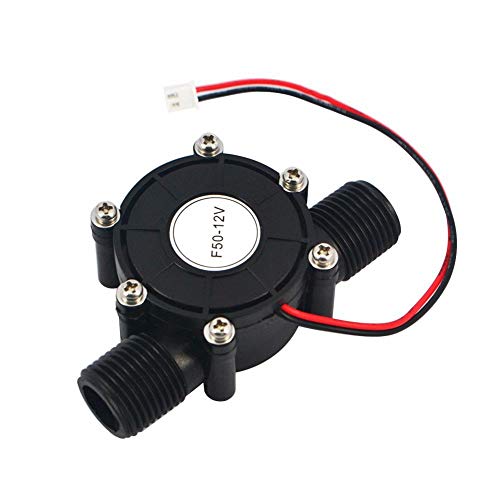
Beduan Micro Water Turbine Generator Hydroelectric Power G1/2" Male Thread 12V Micro Hydro Generator Changeing Tool
- Output Voltage: 12V DC with 1.2Mpa pressure limit
- Low Noise Operation: Mechanical noise ≤55dB
- Long Lifespan: Generator life ≥3000 hours
As an affiliate, we earn on qualifying purchases.
As an affiliate, we earn on qualifying purchases.
Next Steps for Renewable Energy Expansion in the Philippines
The Philippines is expected to continue fast-tracking renewable projects through the Green Lane process, with further project certifications likely in the coming months. Monitoring the progress of these projects and their integration into the national grid will be crucial. The government may also introduce additional policies to support renewable energy deployment and address remaining barriers.

Fundamentals of Geothermal Heat Pump Systems: Design and Application
As an affiliate, we earn on qualifying purchases.
As an affiliate, we earn on qualifying purchases.
Key Questions
What types of renewable energy projects are included?
The projects include solar, wind, hydro, and geothermal energy sources, with solar dominating the current pipeline.
How does the Green Lane certification benefit projects?
Green Lane certification streamlines permit processing, reducing delays and facilitating faster project development.
What is the significance of the $6.18 billion investment?
This investment underscores the Philippines’ commitment to renewable energy and signals strong investor confidence in the sector.
Are there any environmental or community concerns?
Details on community impact or environmental assessments are not specified; ongoing projects will likely undergo standard evaluations.
What are the next milestones for renewable energy in the Philippines?
Next milestones include the commissioning of the certified projects, grid integration, and further policy support to sustain growth.
Source: PV Magazine