
TL;DR

Get backup power and energy gear delivered free with Prime
- Fast, free delivery on millions of items
- Prime Video, Amazon Music and more included
- Member-only deals all year
You can produce a full suite of publishing assets—titles, descriptions, clips, social posts—from one video without relying on cloud services. This local-first workflow saves time, enhances control, and simplifies publishing across multiple platforms.
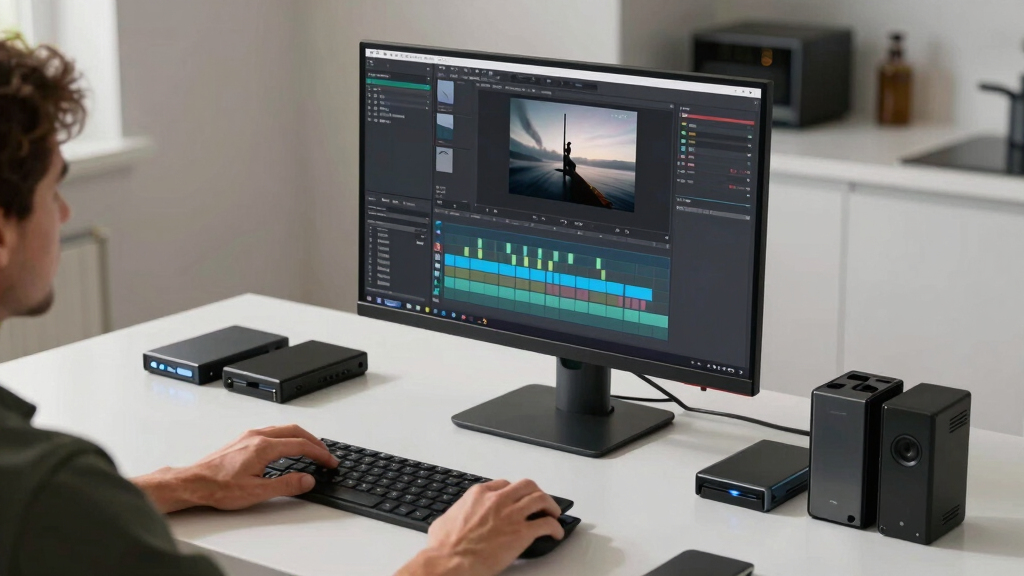
Imagine finishing a video and instantly having a complete set of assets ready for every platform—without uploading to a cloud. Sounds like a dream? It’s becoming a reality. The secret lies in a workflow that turns one source video into a full publishing kit, all managed locally.
This approach radically cuts down on hours spent repackaging, uploading, and managing files across multiple cloud services. Instead, you keep your content on your own hardware, with a clear, structured process that makes publishing faster, safer, and more flexible. You can learn more about home improvement ideas to enhance your workspace setup.
In this article, I’ll walk you through how a single video can become a multi-platform publishing powerhouse, without the cloud’s dependency. Plus, I’ll share real-world examples, tips, and a comparison table to help you decide if this approach fits your workflow.
Key Takeaways
- A single source video can generate a complete set of promotional assets, all managed locally.
- You gain full control over your content, avoiding upload delays and privacy concerns associated with cloud workflows.
- Testing playback and styling on multiple devices is faster and more reliable offline, ensuring a polished final product.
- Comparison tables clearly show how local workflows reduce dependency, speed up publishing, and enhance security.
- Offline access and syncing make a local-first system resilient to internet outages, with updates uploaded once reconnected.
As an affiliate, we earn on qualifying purchases.
How One Video Turns Into a Complete Publishing Kit — Fast
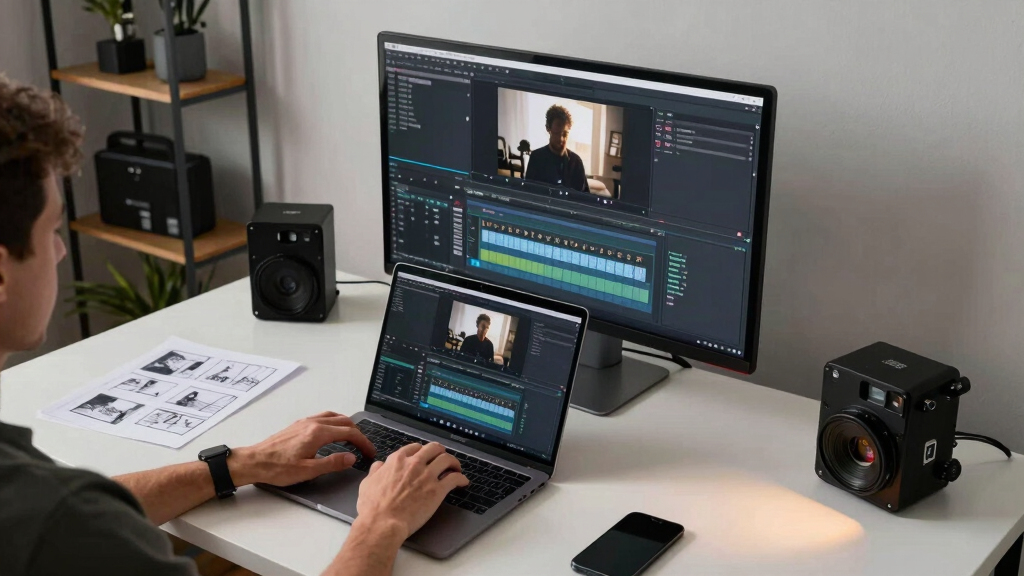
The magic begins with a simple upload—drop in your video or paste a link. From there, a local tool analyzes the footage, extracting every detail: who speaks when, what shows on screen, and the key moments that grab viewers.
For example, a 10-minute interview can be broken down into a dozen assets: a catchy title, a compelling description, short clips for TikTok, a blog draft, and social media posts, all generated on your machine. Discover more about home automation solutions to streamline your content creation process.
By keeping everything local, you avoid delays and privacy concerns. You control the process, tweak assets on the fly, and publish confidently—without waiting for cloud servers to process your content.
As an affiliate, we earn on qualifying purchases.
What Makes a Full Publishing Kit? More Than Just a Video
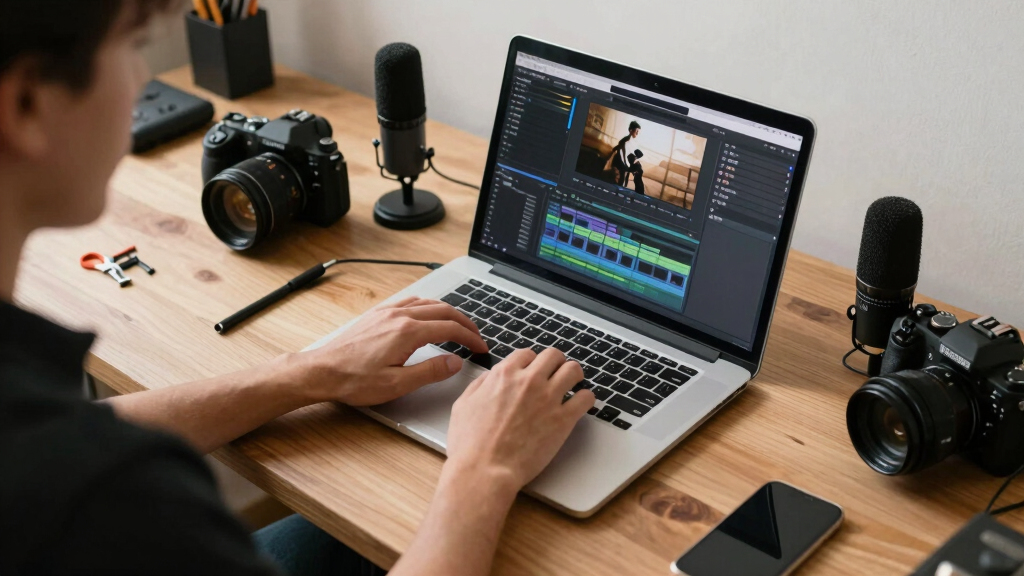
A publishing kit includes every asset needed to promote and share your video—titles, descriptions, clips, thumbnails, social posts, and even playlists. Each asset is crafted with a specific purpose in mind, tailored to the platform’s format and audience expectations. Learn more about luxury interior design to inspire your visuals.
Understanding this, it’s clear that a well-assembled kit isn’t just a collection of files; it’s a strategic toolkit designed to maximize engagement. For example, a thumbnail optimized for YouTube’s aspect ratio might not work on Instagram Stories, so each asset must be contextually adapted. Generating these locally allows you to iterate quickly, ensuring consistency and relevance across platforms without the lag or privacy concerns of uploading each time.
This comprehensive approach empowers creators to maintain brand coherence while customizing content for each channel, all within a seamless, local environment.
As an affiliate, we earn on qualifying purchases.
Comparison Table: Cloud vs. Local-First Publishing
| Feature | Cloud-Based Workflow | Local-First Workflow |
|---|---|---|
| Control | Dependent on remote servers, less immediate control | Full control, immediate access, no upload delays |
| Speed | Depends on internet and server load | Fast, runs on your hardware |
| Privacy | Data stored remotely, potential security concerns | All media stays on your machine |
| Offline Access | Limited, needs internet connection | Full offline capability |
| Collaboration | Easy via cloud sharing and updates | Requires local network or manual sharing |
As an affiliate, we earn on qualifying purchases.
Step-by-Step: How to Build Your Own Local Publishing Kit
Follow these four simple steps: You might also find it helpful to explore a guide on DIY publishing for more tips.
- Record or upload your video. Use a local tool like ChannelHelm to ingest the file or link.
- Let the system analyze and extract assets. It detects scenes, transcribes speech, and identifies key moments.
- Review and customize assets. Preview titles, clips, social posts, and descriptions. Edit where needed.
- Publish directly to your platforms. Export, test, and deploy without ever leaving your machine.
This process keeps your media secure, reduces lag, and gives you total control over your content.
Testing Playback and Style Before You Publish
Testing isn’t optional—it’s essential. With a local setup, you can preview your video on any device before hitting publish. For instance, you can load a URL on your phone or open it in a new tab to check how it looks and plays. For more insights, visit home automation and tech resources.
For playlists, styling options like vertical layouts or pinned clips are tested visually. You can also verify that captions, thumbnails, and player colors match your brand. This immediate feedback loop saves time and rework.
Moreover, testing locally means you can evaluate how your content performs across different screen sizes and devices without the constraints or delays of uploading. This ensures a more polished final product, reduces the risk of publishing errors, and allows iterative adjustments to styling and accessibility features before going live.
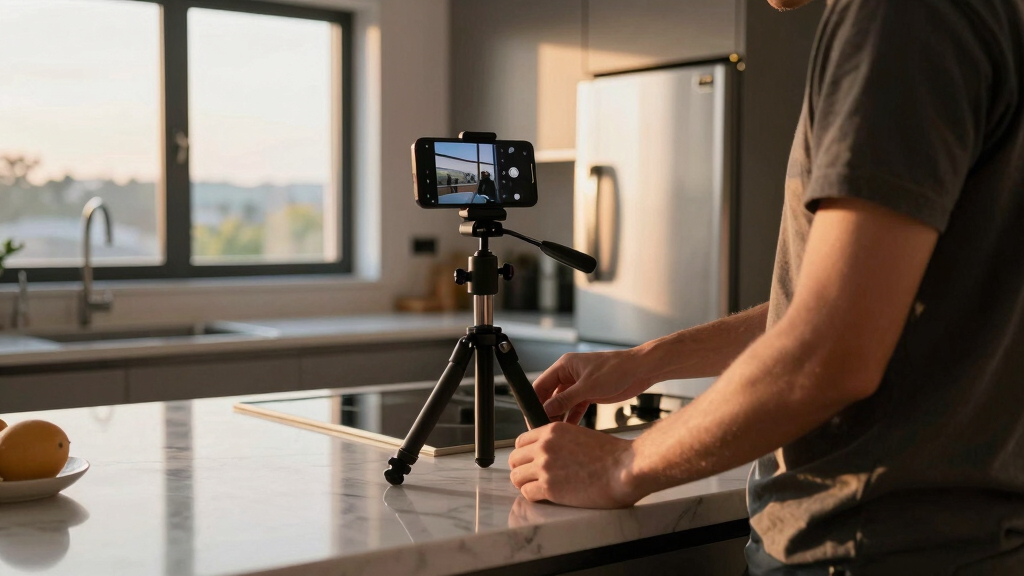
How a Single Video Becomes Multiple Outputs — The Power of Packaging
A well-structured publishing kit turns one video into dozens of assets—each optimized for its platform and audience. For example, a 20-minute explainer might produce: To see how innovative content packaging works, check out industry trends in publishing.
- A 3-minute highlight clip for Instagram Reels
- Five tweetable soundbites with captions
- A blog draft summarizing the video’s key points
- A playlist for YouTube with reordered scenes
- Vertical clips for TikTok, styled and captioned
All generated locally, these assets can be tailored precisely to your content strategy, ensuring consistency and relevance. The advantage of this local process is that you can instantly repackage, update, or customize assets without waiting for cloud processing times—giving you agility and control that’s crucial in fast-paced content environments.
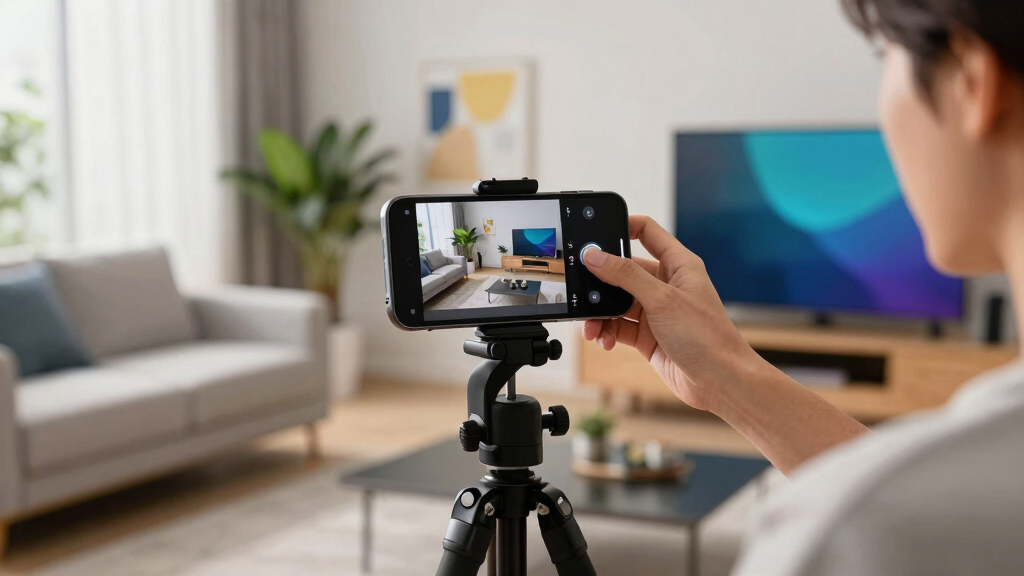
Offline Access and Future Syncing: What’s the Deal?
Many assume cloud means always-on access. But a local workflow can give you offline access, too. You can prepare your assets, test playback, and even publish—without an internet connection.
When connectivity returns, you sync your updates, upload packages, and publish. This makes your process resilient to outages or strict firewalls. Recent advancements in local editing tools have emphasized offline-first capabilities, ensuring creators can work uninterrupted regardless of internet status. This approach reduces dependency on unreliable or slow connections and allows for immediate iteration, which is crucial for timely content deployment. The tradeoff is that you need to manage updates and syncs manually, but the control and security gained often outweigh this minor inconvenience.
What Are the Real Benefits of Going Local?
Going local means fewer dependencies, faster workflows, and greater control. You avoid cloud subscription costs, slow upload/download times, and privacy risks. Plus, you keep your media on your own hardware, reducing reliance on external platforms.
This independence allows you to operate in environments with limited or unreliable internet, making your production process more resilient. For example, a small team working remotely or in areas with poor connectivity can still produce, test, and publish content seamlessly. Additionally, local workflows minimize data exposure; sensitive projects stay on your hardware, reducing the risk of breaches or leaks. While cloud services offer scalability and collaboration, the tradeoff is often in latency, control, and privacy. For creators prioritizing security and speed, a local-first approach provides a strategic advantage, enabling rapid iteration and deployment without sacrificing data sovereignty.
Frequently Asked Questions
What does ‘without the cloud’ really mean for my workflow?
It means managing all your assets and publishing processes on your own hardware, without relying on remote servers or cloud storage. You retain full control, speed, and privacy—only uploading or syncing when you choose.
Can one video really produce an entire publishing kit?
Absolutely. Modern tools analyze your video and automatically generate titles, descriptions, clips, social posts, and playlists. It’s like having a publishing assistant on your desktop, ready to customize and deploy.
What outputs are included in a ‘publishing kit’?
A typical kit includes titles, descriptions, thumbnails, short clips for social media, blog drafts, social posts, playlists, and styled embed codes—all derived from your source video.
How do I test playback before publishing?
You can preview videos and playlists locally on any device via URLs, ensuring perfect styling, captions, and user experience before hitting the publish button.
Is offline access supported, and how does syncing work?
Yes, offline access is possible. You prepare and test your assets locally, then sync or upload your updates once your internet connection is restored—making your workflow resilient and flexible.
Conclusion
In a world obsessed with cloud convenience, going local offers a quiet superpower: control. You turn one video into a full publishing kit—ready to go—without ever leaving your machine. That’s a game-changer for creators who value speed, privacy, and independence.
So next time you finish a video, ask yourself: why wait? Your entire publishing empire can live on your hardware, waiting for your command. The future of content creation isn’t cloud-bound—it’s local and limitless.

Fall Picks
fall essentials
As an affiliate, we earn on qualifying purchases.