
TL;DR
Open a free Amazon Business account
Business pricing, bulk buying and tax-exempt orders.
As an affiliate, we earn on qualifying purchases.
Denmark is at the forefront of the North Sea’s renewable energy expansion, with major projects in offshore wind and green hydrogen. The region aims to significantly increase capacity by 2030 and 2050, setting an example for global clean energy efforts.
Denmark is demonstrating what is possible in renewable energy by expanding its offshore wind capacity and pioneering green hydrogen projects, positioning itself as a global leader in clean energy.
Currently, over 80% of Europe’s offshore wind capacity, totaling more than 25 gigawatts (GW), is located in the North Sea. In 2024, Denmark, along with several other European nations, increased their offshore wind targets from 30 GW to 120 GW by 2030 and 300 GW by 2050. This expansion aims to supply more than half of the EU’s renewable energy needs for climate neutrality.
One of Denmark’s flagship projects is the Thor offshore wind farm, set to become operational in 2026 with a capacity of 1,000 MW, capable of powering over a million households. Siemens Energy is also developing green hydrogen initiatives, such as the Kassø plant in southern Denmark, which will produce 6,000 tonnes of carbon-free hydrogen annually for the shipping industry, using renewable energy to split water in electrolyzers.
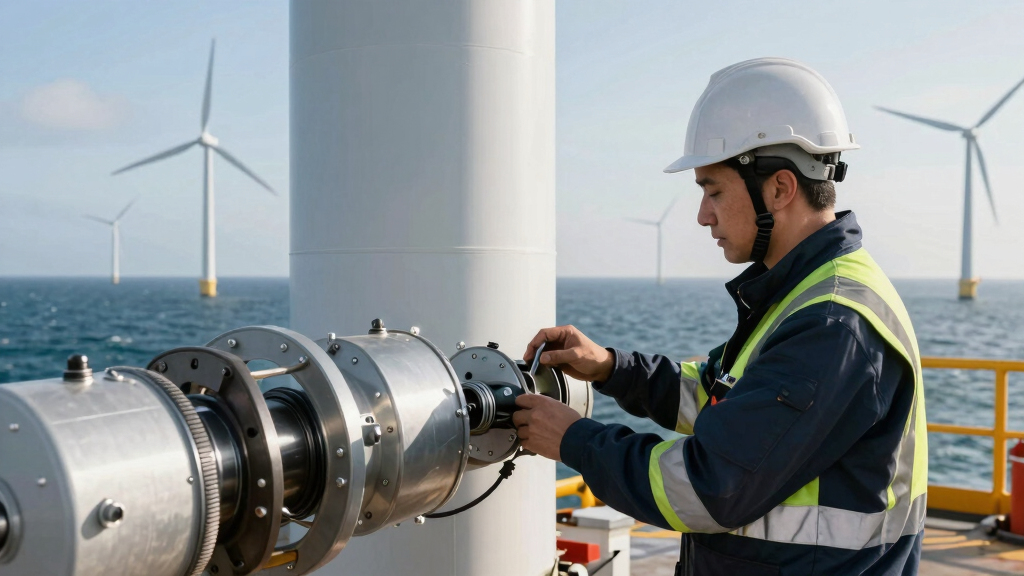
These projects are complemented by infrastructure developments, including onshore substations and grid connections, to manage the increased energy flow. Siemens Energy engineers and technicians are actively involved in these efforts, with notable projects like the Copenhagen substation supporting the integration of wind power into Denmark’s national grid.
Why It Matters
This development underscores Denmark’s leadership in renewable energy, serving as a model for other nations aiming to reduce carbon emissions and transition to clean power. The expansion of offshore wind and green hydrogen production could significantly cut global shipping emissions and foster new industries and jobs, accelerating the EU’s climate goals and setting a precedent for global energy transformation.
As an affiliate, we earn on qualifying purchases.
Background
Denmark has long been investing in offshore wind, with over 80% of Europe’s offshore capacity located in the North Sea. The region’s shallow waters and proximity to northern Europe make it ideal for wind farms. The recent targets for 2030 and 2050 reflect a broader EU strategy to achieve climate neutrality, with the North Sea playing a central role. The development of green hydrogen projects aligns with global efforts to decarbonize sectors like shipping, which currently accounts for 3% of global greenhouse gases. These initiatives are part of a wider push across Europe to harness offshore renewable resources and develop supporting infrastructure.
“Shipping emits the equivalent of a large country in CO2. E-methanol can save a tremendous amount of emissions.”
— Holger Riess, Siemens Energy project manager
“Working on the Thor project is inspiring because it will have a lasting positive impact on Denmark’s energy landscape.”
— Josephine Krumhoff, Siemens Energy electrical engineer
“Working on these turbines is a huge change from my previous job. I’m proud to be part of Denmark’s green energy future.”
— Dane Glenn, Siemens Gamesa apprentice
As an affiliate, we earn on qualifying purchases.
What Remains Unclear
While plans and projects are progressing, it remains unclear how quickly the full capacity will be integrated into the grid and how effectively green hydrogen production will scale to meet demand. Additionally, the economic and logistical challenges of building extensive infrastructure across the North Sea are still being addressed.
As an affiliate, we earn on qualifying purchases.
What’s Next
Next steps include the commissioning of the Thor wind farm in 2026, ongoing development of hydrogen facilities like Kassø, and further capacity expansions to meet 2030 targets. Monitoring the operational performance and grid integration of these projects will be critical, alongside policy and investment decisions to support scaling.
renewable energy grid connection
As an affiliate, we earn on qualifying purchases.
As an affiliate, we earn on qualifying purchases.
Key Questions
What is the significance of Denmark’s offshore wind projects?
They demonstrate how a small country can lead in renewable energy, providing a blueprint for global decarbonization and helping meet EU climate goals.
How will green hydrogen impact the shipping industry?
Green hydrogen, converted into e-methanol, offers a cleaner fuel alternative for large ships, potentially reducing their emissions significantly.
What are the main challenges facing these projects?
Challenges include scaling infrastructure, managing costs, and ensuring efficient grid integration as capacity increases.
Will these projects create new jobs?
Yes, the expansion of offshore wind and hydrogen production is expected to generate numerous skilled jobs across construction, engineering, and maintenance sectors.
Source: Guardian Life
NFL season / tailgating Picks
team gear
As an affiliate, we earn on qualifying purchases.