
TL;DR

Get backup power and energy gear delivered free with Prime
- Fast, free delivery on millions of items
- Prime Video, Amazon Music and more included
- Member-only deals all year
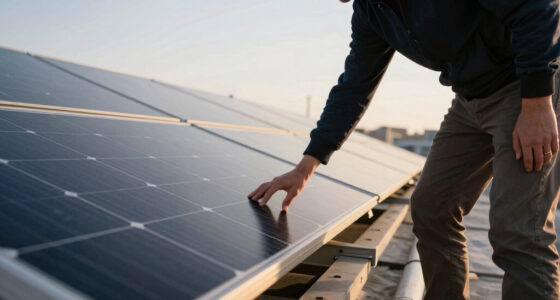
China has completed its largest integrated solar-hydrogen-storage project in Jiangsu, combining coastal PV, battery storage, and green hydrogen production. Full operations are expected to begin in August 2026, demonstrating a new model for renewable energy integration.
CHN Energy has completed construction of China’s largest integrated solar-hydrogen-storage project in Jiangsu, with full hydrogen production expected to commence in August 2026. The project combines a 400 MW coastal photovoltaic plant, a 60 MW/120 MWh battery system, and a green hydrogen facility, representing a significant advancement in renewable energy infrastructure.
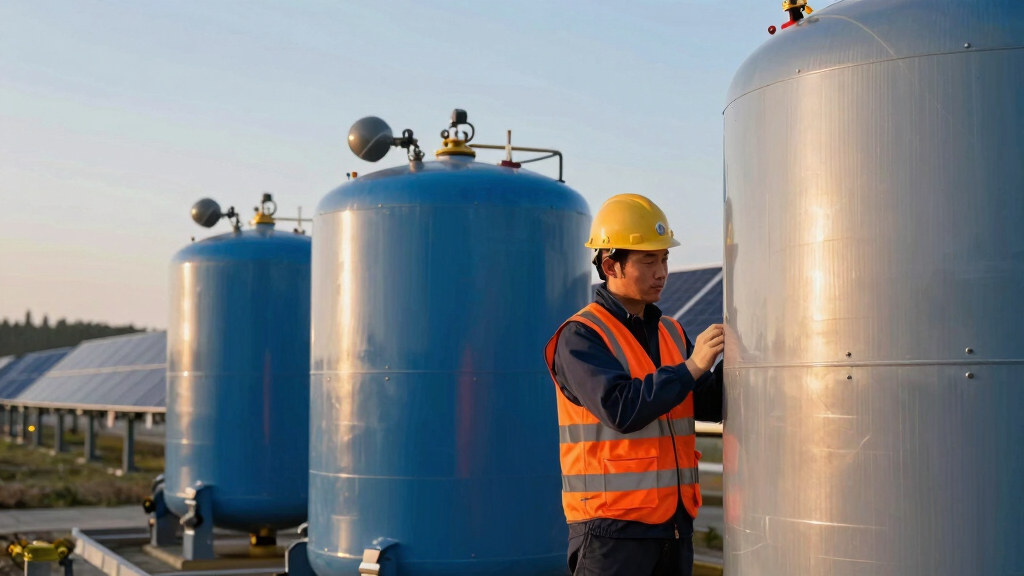
The project is located in the Yudong tidal-flat area near Yangkou Port in Rudong county, Nantong, and is operated by the Jiangsu branch of Guohua Investment, a subsidiary of CHN Energy. It includes a 400 MW PV plant, a 60 MW/120 MWh battery energy storage system, and a hydrogen production facility capable of producing 482 tons of high-purity green hydrogen annually. The facility’s hydrogen refueling capacity is 500 kg per day.
The PV plant reached full grid connection on April 29, 2025, and the entire project was completed on June 10, 2026, following joint system commissioning. The hydrogen facility remains in the final stages of equipment testing and is expected to begin operations in August 2026. The project features a dedicated submarine cable connecting the PV plant directly to the hydrogen production facility, allowing surplus solar power to be used for hydrogen generation without passing through the public grid.
Once operational, the project will establish an integrated system linking renewable power generation, energy storage, hydrogen production, and downstream hydrogen use. The system aims to increase local renewable electricity consumption and serve as a demonstration of coastal solar and hydrogen integration, with ecological restoration measures also incorporated into the development.
Impact of the Largest Integrated Solar-Hydrogen System in China
This project marks a major milestone in China’s renewable energy sector by demonstrating the feasibility of combining large-scale coastal solar power with green hydrogen production and storage within a single integrated system. It exemplifies a practical approach to increasing renewable energy utilization, reducing reliance on fossil fuels, and advancing China’s climate commitments. The project’s successful deployment could serve as a blueprint for future large-scale renewable energy hubs, both within China and globally.
Products Worth Considering

Ring Alarm 8-Piece Kit (2nd Gen) Home Security System

eufy Security 5-Piece Home Alarm Kit

Ring Alarm 14-Piece Wireless Security System
As an affiliate, we earn on qualifying purchases.
Background on China’s Renewable Energy and Hydrogen Initiatives
China has been rapidly expanding its renewable energy capacity, aiming to meet its climate targets and reduce emissions. The country’s third batch of large-scale wind and solar power bases includes several projects aimed at integrating renewable generation with energy storage and hydrogen production. The development of green hydrogen, produced via electrolysis powered by renewable energy, is a key component of China’s strategy to decarbonize sectors such as industry and transportation. This project in Jiangsu represents the latest step in these efforts, showcasing a comprehensive approach to renewable energy utilization and system integration.
“This project demonstrates a viable model for integrating coastal solar, storage, and hydrogen production, which could significantly influence future renewable infrastructure in China.”
— an anonymous researcher
Remaining Technical and Operational Details Unclear
While the project has achieved full grid connection and completed system-wide commissioning, the hydrogen production facility is still in the final stages of equipment testing. It is not yet confirmed when the facility will reach full operational capacity, nor are details available about the long-term performance and economic viability of this integrated system. Additionally, the extent of its scalability and replicability across other regions remains to be seen.
Next Steps for Full Operation and System Evaluation
The hydrogen production facility is expected to begin operations in August 2026. Following this, performance data and operational stability will be monitored to assess the system’s efficiency and economic feasibility. Further, China’s authorities and project operators will likely evaluate the potential for scaling similar integrated projects and incorporating them into national energy plans. The project will also serve as a case study for renewable hydrogen’s role in China’s decarbonization efforts.
Key Questions
When will the hydrogen production facility start operating?
The hydrogen facility is expected to begin full operations in August 2026, after completing final equipment commissioning.
How much green hydrogen will the project produce annually?
The project is designed to produce approximately 482 tons of high-purity green hydrogen per year.
What is the significance of this project for China’s energy goals?
It demonstrates the feasibility of integrating large-scale solar, storage, and hydrogen production, potentially influencing future renewable infrastructure development in China and beyond.
Does the project include ecological restoration?
Yes, the project incorporates coastal ecological restoration measures, including wetland restoration and Spartina alterniflora control, covering about 4.3 km2.
Can this model be scaled to other regions?
While promising, the scalability of this integrated model remains to be proven through further deployment and operational data.
Source: PV Magazine