TL;DR
A study by LUT University demonstrates that, with seven times the required renewable capacity, data centers can operate continuously on wind and solar power when combined with backup generation and demand flexibility. Location and costs are key factors.
A recent study by LUT University finds that data centers can be powered continuously by wind and solar energy with over seven times the baseload capacity, provided backup power and demand-side flexibility are in place. This confirms the technical and economic viability of renewable-only data centers in suitable locations, especially in Nordic regions.
The study models a 1 GW renewable energy system for data centers in the Nordic environment, focusing on two scenarios: full baseload operation and high-load hours similar to nuclear power plants. It concludes that achieving continuous power requires overbuilding solar and wind capacity by at least sevenfold, with significant curtailment during peak production times.
Both configurations rely heavily on backup generation, such as backup power plants, and location plays a critical role in cost-effectiveness. In the most favorable sites, the levelized cost of electricity (LCOE) can be as low as 80-100 €/MWh, with costs varying significantly based on siting. The study emphasizes that demand-side flexibility can reduce operating costs but may also increase renewable curtailment.
Researchers note that seasonal constraints in the Nordic climate pose challenges, mainly due to limited winter sunlight and wind variability. Nonetheless, the findings suggest renewables can serve as a cost-competitive baseload alternative to nuclear power, especially with shorter construction times compared to nuclear facilities.
Implications for Renewable Data Center Deployment in High-Latitude Regions
This study highlights that, with substantial overcapacity and strategic siting, renewable energy can feasibly power data centers continuously, reducing reliance on fossil fuels and nuclear power. It underscores the importance of location, infrastructure investment, and demand flexibility in achieving cost-effective, sustainable data center operations. The findings could influence policy discussions and investment strategies, especially in Nordic countries aiming for decarbonization and energy independence.

CyberPower CP1500PFCLCD PFC Sinewave UPS Battery Backup and Surge Protector, 1500VA/1000W, 12 Outlets, AVR, Mini Tower, UL Certified
- Power Capacity: 1500VA/1000W PFC sine wave UPS
- Outlets: 12 outlets with surge and battery backup
- Power Cord: 5-foot right-angle power cord
As an affiliate, we earn on qualifying purchases.
As an affiliate, we earn on qualifying purchases.
Nordic Environment and Renewable Power Challenges for Data Centers
The Nordic region, characterized by high-latitude climates, faces seasonal variability in solar and wind resources, complicating efforts to rely solely on renewables for baseload power. Previous analyses have suggested that high overcapacity and backup systems are necessary to compensate for intermittent generation. The LUT University study builds on these insights, focusing on the techno-economic feasibility of such systems for data centers, which require stable power supply for operational reliability.
Earlier discussions in Finland and other Nordic countries have centered around integrating renewables into existing grids and the potential for renewable-based baseload solutions. This study provides new data supporting the technical viability of such approaches, emphasizing the importance of siting and flexibility measures.
“It depends on the location. According to a recent report by IRENA, solar PV and BESS based baseload supply can reach levelized cost of electricity of less than €100 per MWh in several locations around the globe.”
— an anonymous researcher
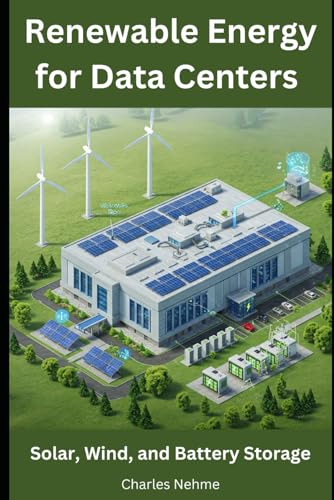
Renewable Energy for Data Centers: Solar, Wind, and Battery Storage
As an affiliate, we earn on qualifying purchases.
As an affiliate, we earn on qualifying purchases.
Uncertainties Surrounding Cost and Practical Implementation
While the study confirms the technical feasibility, several uncertainties remain. These include the actual costs of large-scale overbuilding, the impact of curtailment on overall efficiency, and the operational challenges of integrating demand flexibility at scale. Additionally, the economic viability depends heavily on site-specific factors, which are still being analyzed in ongoing projects.

Mastering Eco-Hosting: Sustainable Infrastructure ROI | Energy-Efficient Cooling | Eco-Conscious Data Management | Green Certifications IT | Carbon Footprint Reduction | Innovative IT Renewable Sol.
As an affiliate, we earn on qualifying purchases.
As an affiliate, we earn on qualifying purchases.
Next Steps for Validation and Policy Engagement
The researchers plan to expand their analysis through real-life case studies in the upcoming Net Zero Energy Communities project. Policy discussions are also underway in Finland, focusing on grid connection requirements and supporting infrastructure investments. Further research will aim to refine cost estimates, operational strategies, and integration methods for renewable-powered data centers, with results expected to influence future energy planning and industry practices.

2 Pack 9W Solar Panels- IP65 Waterproof, High Efficiency Charger with 10FT USB-C Cable and Micro USB Adapter, Works in -4°F~176°F, for Outdoor Cameras, Smartphones and All DC 5V Devices
- Value Pack Includes: 2 solar panels with accessories
- Easy Installation: Quick wall-mount setup
- High Power Output: 9W stable power supply
As an affiliate, we earn on qualifying purchases.
As an affiliate, we earn on qualifying purchases.
Key Questions
Can renewable energy reliably power data centers in Nordic regions?
According to the study, with sufficient overcapacity, backup systems, and demand flexibility, renewable energy can feasibly provide continuous power for data centers in Nordic environments.
What are the main challenges of using renewables for data center power?
The primary challenges include the high level of overbuilding required, seasonal variability, curtailment of excess generation, and the need for substantial backup and flexibility measures.
How does location affect the costs of renewable-powered data centers?
Location significantly impacts costs; favorable sites can reduce the levelized cost of electricity by up to 24% compared to less suitable areas, mainly due to resource availability and grid infrastructure.
Will this approach be practical for other regions outside the Nordic countries?
The feasibility depends on local renewable resource potential, infrastructure, and costs. The study suggests that with high overcapacity and strategic siting, similar approaches could be viable elsewhere, but further analysis is needed.
When will these findings influence industry practices or policy?
The study’s results will be published in August 2026, and ongoing projects aim to translate these insights into practical applications and policy discussions in Nordic countries and beyond.
Source: PV Magazine