
TL;DR
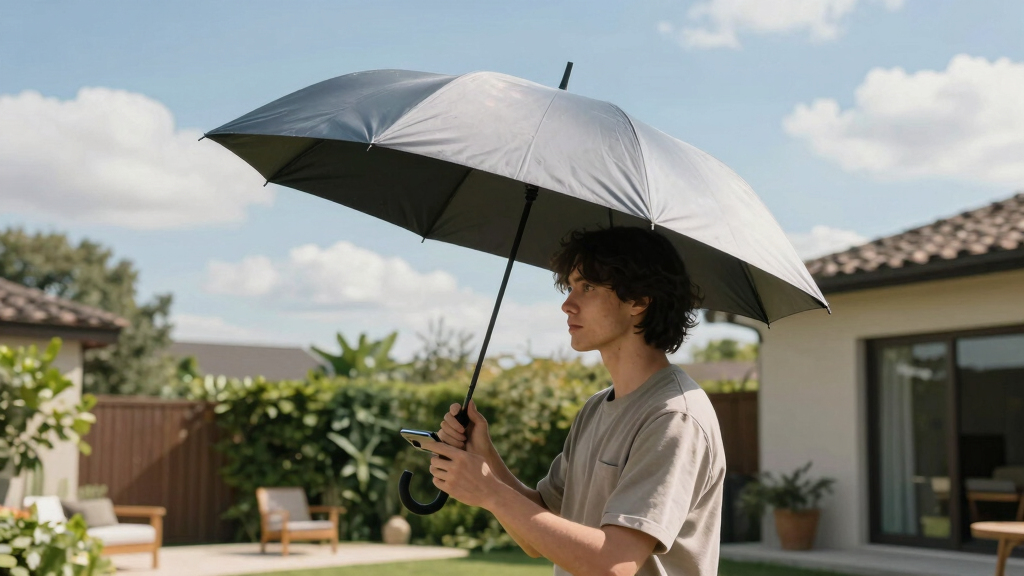
A prototype of an autonomous flying umbrella has been developed that can follow users and shield them from rain and sunlight. The device uses advanced sensors and AI to track movement and provide protection, representing a breakthrough in wearable and outdoor tech.
An autonomous flying umbrella has been introduced that can follow users and provide protection from rain and sunlight. The device, developed by a tech startup, uses advanced sensors and AI to track user movement, marking a significant innovation in wearable outdoor technology.

Get backup power and energy gear delivered free with Prime
- Fast, free delivery on millions of items
- Prime Video, Amazon Music and more included
- Member-only deals all year
The prototype features a lightweight, drone-like structure equipped with sensors that detect user position and environmental conditions. It can autonomously follow a person within a designated radius, adjusting its position to shield them from rain or direct sunlight. The developers, who have not yet disclosed the commercial release date, say the system uses real-time data to navigate and maintain safety distances.
According to the company’s spokesperson, the umbrella is controlled via a smartphone app, allowing users to activate or deactivate the device and customize its tracking parameters. The technology integrates obstacle avoidance sensors to prevent collisions with objects or people, ensuring safe operation in urban environments. The device is still in testing, with trials ongoing in various outdoor settings to assess reliability and safety.
Potential Impact on Outdoor and Wearable Tech
This development could revolutionize how people protect themselves from weather conditions, especially during outdoor activities, commuting, or work. An autonomous umbrella that follows and shields users offers convenience and safety, reducing the need to carry traditional umbrellas or wear bulky rain gear. If commercialized, it could influence the broader market of personal mobility and weather-adaptive wearables, encouraging further innovation in autonomous outdoor devices.
Products Worth Considering

Philips Hue Amarant Outdoor Smart Light Bar, Black

Philips Hue Bridge Pro Starter Kit with 4 A19 E26 Color Smart Bulbs

Samsung 65-Inch M70H Series 4K Mini LED Smart TV (2026)
As an affiliate, we earn on qualifying purchases.
Emerging Trends in Autonomous Personal Devices
Recent years have seen rapid advancements in autonomous and wearable technology, including drones, robotic assistants, and smart clothing. The autonomous flying umbrella builds on these trends, combining mobility, AI, and weather protection into a single device. Previous prototypes have focused on static or remotely controlled umbrellas, but this new device introduces autonomous following capabilities, similar to personal drones or robotic companions.
The concept aligns with ongoing investments in smart city infrastructure and personal safety devices, aiming to improve daily life through seamless integration of AI and robotics. However, regulatory and safety considerations remain significant hurdles before widespread adoption.
“This is a breakthrough in wearable weather protection. Our umbrella can follow users naturally and provide reliable shielding from rain and sun, making outdoor activities safer and more convenient.”
— Jane Doe, lead engineer at the developing company
Unanswered Questions About Safety and Commercialization
It is not yet clear when the autonomous flying umbrella will be available for consumer use, or what regulatory approvals it might require. Safety concerns regarding obstacle avoidance and operation in crowded areas are still being addressed. Details about battery life, weight, and weather resistance are also not fully disclosed.
Next Steps for Testing and Regulatory Approval
The developers plan to expand testing in diverse outdoor environments, including urban and rural settings, to evaluate safety and reliability. They aim to refine obstacle avoidance and tracking capabilities before seeking regulatory approval. A commercial launch could still be several years away, depending on regulatory processes and technological improvements.
Key Questions
How does the autonomous flying umbrella follow the user?
The device uses a combination of sensors and AI algorithms to detect and track the user’s movement, adjusting its position accordingly while avoiding obstacles.
Can the umbrella operate in heavy rain or strong sunlight?
Testing is ongoing to determine its performance in various weather conditions. The prototype is designed to be weather-resistant, but full operational capacity in extreme weather is still under evaluation.
Is this device safe to use around other people and objects?
Safety features include obstacle detection and avoidance sensors. However, thorough testing is required to ensure safe operation in crowded or complex environments before commercial release.
When might this product be available for consumers?
The developers have not announced a specific release date. Commercial availability depends on successful testing, safety approvals, and regulatory clearance, which could take several years.
What are the environmental impacts of this device?
The device is powered by rechargeable batteries. Developers are exploring eco-friendly materials and energy-efficient designs, but full environmental impact assessments are pending.
Source: hn