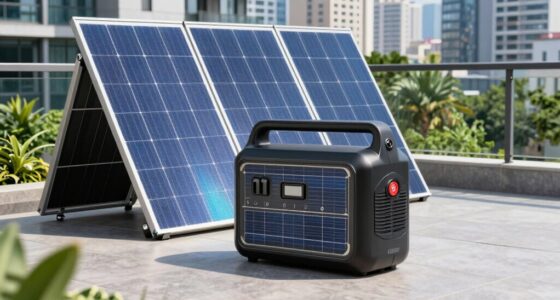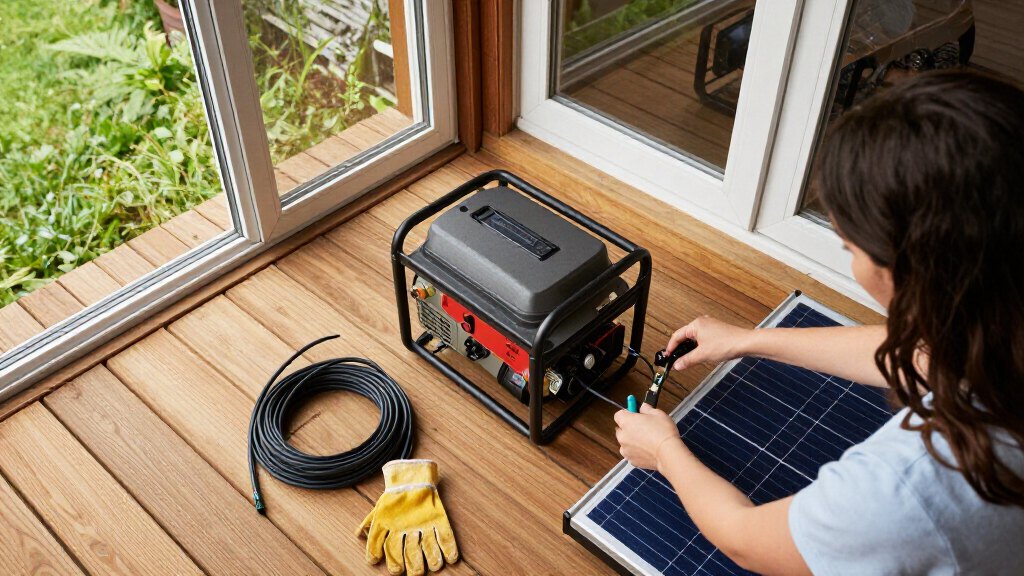
People comparing solar-powered backup generators are often choosing between two different scales of outage protection: a portable solar generator and a fixed home solar battery system. Both store electricity for use when the grid is down, and both can be recharged from solar panels, but their capacity, installation, and cost differ sharply. Portable units suit renters, campers, and households that want to keep essentials running without a major project. Fixed systems make more sense for homeowners seeking longer coverage, automatic operation, or integration with rooftop solar. The central tradeoff is flexibility and lower cost versus higher capacity and deeper household backup.

Get backup power and energy gear delivered free with Prime
- Fast, free delivery on millions of items
- Prime Video, Amazon Music and more included
- Member-only deals all year

Jackery Solar Generator 1000 v2 with 200W Solar Panel, 1024Wh LiFePO4 Battery
- ✔ Battery capacity: 1,024Wh
- ✔ Battery type: LiFePO4 (LFP)
- ✔ AC output: 1,500W
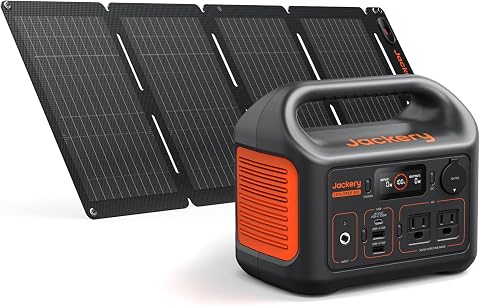
Jackery Explorer 300 Portable Power Station with 40W Solar Panel
- ✔ Capacity: 292Wh
- ✔ Rated output: 300W
- ✔ Peak surge: 600W

ZeroKor 300W Portable Power Station with 60W Solar Panel
- ✔ Maximum output: 300W
- ✔ Included solar panel: 60W monocrystalline
- ✔ AC outlets: 2, up to 300W total
At a Glance
| Criteria | Portable solar generator | Fixed home solar battery system | Winner |
|---|---|---|---|
| Upfront cost | Usually lower; no permanent installation required | Higher, often including equipment and professional installation | A |
| Power capacity | Typically suited to selected appliances and devices | Can support selected home circuits or more, depending on design | B |
| Setup and portability | Portable, with simple setup and flexible placement | Fixed installation; not practical to move | A |
| Outage convenience | Often requires manual connection and load choices | Can provide automatic backup when configured with transfer equipment | B |
| Solar integration | Recharge from compatible portable panels; expansion varies by model | Can pair with rooftop solar and household energy controls | B |
| Best use case | Camping, essential devices, short outages, renters | Homeowners seeking broader, repeatable outage coverage | Depends |
Jackery Solar Generator 1000 v2 with 200W Solar Panel, 1024Wh LiFePO4 Battery
Of these three kits, the Jackery Solar Generator 1000 v2 is the most complete match for outage planning. Its 1,024Wh LiFePO4 battery and 1,500W AC output give it substantially more headroom than either 300W station. That makes it the better candidate for several smaller essentials or a compatible higher-draw device, though actual runtime depends on what is connected and how much power it uses. The 3,000W surge rating adds capacity for brief startup demands, but buyers should confirm that a particular appliance’s surge fits within the unit’s limits.The included 200W solar panel is the largest in this lineup, which gives this kit a better foundation for replenishing its much larger battery in sunlight. The 10ms UPS switchover is another meaningful distinction: it is designed to keep compatible essential electronics running through a brief interruption. App charging modes add control, including a 50-minute emergency charge option, but that mode must be enabled in advance and the default charging mode is slower. We would not mistake fast wall charging for fast solar recovery.Compared with the Explorer 300, this Jackery is far less convenient to carry at 23.4 pounds, but its capacity and output are better aligned with serious backup tasks. Compared with ZeroKor, it costs in portability and complexity what it gains in headroom, battery chemistry, UPS behavior, and panel size. The power station and panel ship separately, so the complete kit may not arrive together. For buyers who need a dependable portable reserve with room for more than phones, this is the strongest fit; those focused on ultralight travel should look to the Explorer 300.
Pros:
- 1,024Wh LiFePO4 battery with a stated rating of over 4,000 cycles while retaining over 70% capacity.
- 1,500W AC output and 3,000W surge capacity provide considerably more headroom than the two 300W alternatives.
- Included 200W panel and 10ms UPS switchover support a more outage-focused setup.
- App offers emergency, quiet overnight, and energy-efficiency charging modes.
Cons:
- At 23.4 pounds, it is much heavier than the 7.5-pound Explorer 300.
- The 50-minute emergency charging mode must be enabled in the app; default charging is slower.
- The station and solar panel ship separately, so the kit may arrive in separate packages.
Best for: Households preparing to run compatible essential devices during outages and wanting more capacity, output, and solar input than the compact kits provide.
Not ideal for: Buyers who need a very light carry, expect to power large appliances or an entire home, or need the fastest charging mode to work without app setup.
Bottom line: We rank it first because its capacity, output, included panel, and UPS feature make it the most capable balanced backup kit in this comparison.
“We rank it first because its capacity, output, included panel, and UPS feature make it the most capable balanced backup kit in this comparison.”
Jackery Explorer 300 Portable Power Station with 40W Solar Panel
The Jackery Explorer 300 earns its place through portability, not long-duration backup. At just 7.5 pounds, it is far easier to move between a car, campsite, and room during a brief outage than the 23.4-pound 1000 v2. Its 292Wh battery and 300W rated output can cover phones, lights, and other modest loads within its limits. That makes it a practical small reserve, but we should not expect it to keep demanding appliances running for long.Its LiFePO4 battery is rated for over 4,000 cycles to 70% capacity, matching the longevity claim given for the larger Jackery. It also has two AC outlets, USB-C with 100W PD, two USB-A ports, and a car port, so a compact device can support a useful mix of gear. The 600W peak surge rating helps with brief startup demands, although it does not raise the 300W rated output for sustained use.The compromise is the 40W included solar panel: the stated time to reach 80% is about 7.5 hours, so replenishment is a patient process and depends on sunlight. The 1000 v2’s 200W panel is better suited to a larger battery and more serious backup role. Explorer 300 also has less stored energy than ZeroKor’s listing implies? No capacity is supplied for ZeroKor, so we cannot compare runtime directly. We can say the Explorer’s 292Wh capacity is explicit, which helps buyers size small loads. Choose it when the ability to carry the unit matters more than powering higher-wattage equipment.
Pros:
- 7.5-pound weight and integrated handle make it easy to carry and reposition.
- LiFePO4 battery is rated for over 4,000 cycles to 70% capacity.
- USB-C PD, USB-A, AC, and car connections support a range of small devices.
- Included 40W panel provides a solar charging option without a separate panel purchase.
Cons:
- 292Wh capacity limits how long it can support connected devices compared with the 1000 v2.
- The included 40W panel takes about 7.5 hours to charge the station to 80% under stated conditions.
- The station and panel may ship separately.
Best for: Campers, travelers, and outage planners who want a genuinely portable station for phones, lights, and other modest loads.
Not ideal for: Buyers who need longer runtimes, want faster solar replenishment, or plan to power devices drawing more than 300W continuously.
Bottom line: We recommend it when easy carrying and small-device backup matter more than capacity or rapid solar recovery.
“We recommend it when easy carrying and small-device backup matter more than capacity or rapid solar recovery.”
ZeroKor 300W Portable Power Station with 60W Solar Panel
The ZeroKor 300W is the most straightforward bundle here for someone who wants a modest station and foldable panel for small electronics. Its 60W monocrystalline panel is more powerful than the Explorer 300’s included 40W panel, and the kit offers AC, DC, and USB outputs alongside car and wall recharging. That gives it flexible ways to top up, but the product description does not provide battery capacity, so we cannot compare its stored energy or estimate runtimes against either Jackery.The most important limit is the 300W maximum output. Phones, tablets, and some laptops are within the intended use, but larger loads can exceed the unit’s ceiling; the description warns that devices above 300W may make it unavailable or cause damage. This is a much narrower backup role than the 1,500W Jackery 1000 v2, and its unspecified battery capacity makes planning less certain than with the 292Wh Explorer 300. Its two AC outlets do not mean it can handle two high-draw appliances at once.For emergency preparedness, ZeroKor carries a notable caveat: the manufacturer advises maintaining the battery at 60%–80% and not relying on it as the sole backup source. Its panel junction box must also stay dry. Those instructions reduce its appeal as a leave-ready outage reserve, even though the kit includes multiple protective features and a flashlight with reading and SOS modes. We see it as a basic solar charging kit for light electronics, rather than the best choice for someone building a primary backup system.
Pros:
- Foldable 60W monocrystalline panel is included in the bundle.
- Can recharge from an AC outlet, 12V car outlet, or compatible solar panel.
- AC, DC, USB, and quick-charge outputs offer several connection options.
- Includes electrical protections and a flashlight with reading and SOS modes.
Cons:
- 300W maximum output excludes many household appliances and higher-draw devices.
- Battery capacity is not specified in the provided product information, limiting runtime planning.
- Manufacturer advises keeping charge at 60%–80% and not relying on the unit as the sole emergency backup; panel junction box must stay dry.
Best for: Buyers seeking an all-in-one panel and power station for phones, tablets, and other small devices, with wall and car charging as alternatives.
Not ideal for: Anyone who needs a clearly specified battery capacity, wants a primary emergency reserve, or needs to run devices over 300W.
Bottom line: We place it third because its included panel and varied ports suit small electronics, but its output ceiling and backup guidance limit emergency usefulness.
“We place it third because its included panel and varied ports suit small electronics, but its output ceiling and backup guidance limit emergency usefulness.”
As an Amazon Associate we earn from qualifying purchases.
Key Differences
The biggest practical gap is how much of the household each option can serve. A portable unit is generally a compact battery with outlets and a limited inverter. It can keep phones, lights, a router, and some small appliances going, but its output and stored energy constrain what can run at once and for how long. A fixed battery system can be sized around selected circuits or broader home needs. It may support heavier loads, though a system’s real capability depends on its usable capacity, inverter rating, transfer setup, and the appliances connected.
Convenience and cost follow from that difference. Portable systems avoid construction and can travel with the owner, but users usually need to connect devices, manage consumption, and recharge the unit. Fixed systems cost more and require installation, yet can respond automatically and work with rooftop solar in an outage when the equipment is designed for that purpose. Solar panels alone do not guarantee that a grid-tied rooftop system will operate during a blackout; backup-capable equipment is required. Pay for the fixed option when broader coverage and automatic operation matter. For occasional, targeted backup, portable power is usually the stronger value.
Detailed Comparison
Upfront cost (Portable solar generator wins — major)
A portable generator usually costs less to buy and can be used without a contractor. A fixed battery system carries a much larger bill because it includes home-scale equipment and installation. Option A wins by a major margin for buyers whose budget is firm or whose backup needs are limited. The lower price is useful only if the unit can run the loads that matter; compare usable watt-hours and continuous output rather than headline capacity alone.
Power capacity and coverage (Fixed home solar battery system wins — major)
A portable unit is designed for a short list of devices, not usually an entire home. A fixed system can be specified to cover selected circuits or a wider portion of the home, and can offer greater stored energy and output. Option B wins by a major margin for households that need refrigeration, lighting, networking, and other loads to run together for longer periods. Neither label guarantees a specific runtime: appliances, battery size, inverter limits, and recharge conditions determine actual coverage.
Setup and portability (Portable solar generator wins — major)
A portable generator can be carried, stored, and set up where needed, which also makes it useful for trips or temporary work. A fixed battery is connected to the home and stays there. Option A wins clearly for renters, people who move often, or buyers who want one unit for both home and outdoor use. The tradeoff is hands-on setup and limited power; portability does not increase the battery’s capacity.
Convenience during an outage (Fixed home solar battery system wins — moderate)
Portable systems often require the owner to plug devices into the unit, track remaining charge, and prioritize loads. A fixed system with the proper transfer equipment can switch to backup automatically and keep designated circuits powered. Option B wins by a moderate to major margin for people who want outage response with little intervention, especially when away from home. Automatic operation depends on system configuration, and a battery still has finite energy.
Solar recharging and integration (Fixed home solar battery system wins — moderate)
Portable units can recharge from compatible foldable or ground-mounted panels, giving owners flexibility in where to collect sunlight. Fixed batteries can integrate with rooftop solar and home energy controls, which may make it easier to replenish stored power during a prolonged outage. Option B generally wins for an existing rooftop-solar household, but only if the system supports backup operation during grid failure. Option A may be simpler for someone without rooftop panels who wants occasional daytime recharging.
Best use case (major difference)
Option A is strongest for limited, mobile, or occasional backup: charging devices, powering lights, or keeping a small appliance available. Option B is stronger when the goal is reliable household resilience across repeated outages. The winner depends on the problem being solved. Buying home-scale capacity for camping is wasteful, while expecting a small portable battery to cover a home’s normal loads can lead to disappointment.
Portable solar generator: Pros and Cons
Pros:
- Lower initial cost than a fixed home battery system
- Portable for camping, travel, and use in different locations
- No permanent installation required
- Can recharge from compatible portable solar panels
Cons:
- Limited output and stored energy compared with home systems
- Often requires manual load management during an outage
- Runtime can fall quickly when powering high-draw appliances
- Expansion and solar charging speed vary by model
Fixed home solar battery system: Pros and Cons
Pros:
- Can serve selected home circuits or broader loads when sized for them
- May switch to backup automatically with suitable equipment
- Can integrate with rooftop solar and household energy controls
- A better fit for recurring outages and home resilience
Cons:
- Higher purchase and installation cost
- Requires a suitable home and professional planning
- Fixed in place and not useful as portable power
- Coverage and outage solar charging depend on system design
Who Should Choose What
Choose Portable solar generator if:
- You rent, move frequently, or cannot install permanent equipment.
- You mainly need phones, lights, internet, and a few modest loads.
- You want a lower-cost unit that can also serve camping or travel.
- You are comfortable plugging in devices and managing battery use.
Choose Fixed home solar battery system if:
- You own your home and want a permanent backup system.
- You need more stored energy or support for several household circuits.
- Automatic backup and convenient integration with rooftop solar matter to you.
- You have recurring outages and value resilience enough to justify installation cost.
Skip both if: You need dependable power for high-demand equipment over long outages but have not calculated its load and runtime needs. First define which appliances must run, their wattage, and how many hours of coverage you expect; a generator using fuel or another backup design may fit better.
Value for Money
The portable option is better value for modest needs because it avoids installation expense and provides useful power beyond emergencies. Its value falls if it cannot start or run the appliances you intend to protect, so check continuous and surge output as well as capacity. The fixed system’s premium buys higher potential coverage, integration, and convenience. It is worth paying more when outages are frequent, household loads are important, and automatic backup has real value. For a few short outages a year and device-level needs, the added cost is hard to justify.
Final Verdict
For most buyers seeking affordable backup for essentials, choose a portable solar generator. It offers the clearest value, works without home installation, and can go where you need it. Choose a fixed home solar battery system if you own the property, want broader or automatic circuit backup, and can justify the higher installed cost. The deciding factor is the scale of coverage: portable power protects a selected set of devices; a fixed system can protect more of the household when properly designed. Do not pay for home-scale backup unless you need and can use its added capacity.
Frequently Asked Questions
Can a solar generator power an entire house?
Some larger systems can support selected circuits or substantial loads, but many portable units are intended for individual devices. Whole-home coverage depends on usable capacity, inverter output, transfer equipment, and the home’s demand. Check those specifications against the appliances you want to run.
Will rooftop solar work during a blackout?
Many grid-tied solar installations shut down during an outage unless configured with backup-capable equipment. A compatible battery, inverter, and transfer arrangement may allow solar generation to serve loads or recharge storage. Confirm the design with the installer rather than assuming panels alone provide blackout power.
Is a portable solar generator worth buying if I already have a home battery?
It can be useful for camping, travel, or powering devices away from backed-up circuits. If your fixed system already covers your outage needs and you do not need portable power, the extra unit may add little value.
Which option lasts longer during an outage?
Neither option has a fixed runtime. Duration depends on stored energy, appliance draw, solar conditions, and whether the system can recharge while operating. Compare watt-hours and expected daily consumption, then allow for conversion losses and changing sunlight.