
TL;DR

Get backup power and energy gear delivered free — and shop member deals
- Fast, free delivery on millions of items
- Access to Prime Big Deal Days deals on October 6–7
- Prime Video, Amazon Music and more included
A bathroom renovation designed to be renter-friendly is attracting rising online interest. The approach emphasizes reversibility and minimal structural changes, appealing to tenants and landlords. Details are still emerging about specific methods and widespread adoption.
A new approach to bathroom renovations that emphasizes reversibility and minimal structural change is gaining attention among homeowners and renters alike. The trend, which focuses on renter-friendly upgrades, is drawing increased online search interest, though specific methods and the extent of adoption remain unconfirmed. Experts say this development could influence future rental market practices, making upgrades more accessible and less risky for tenants.
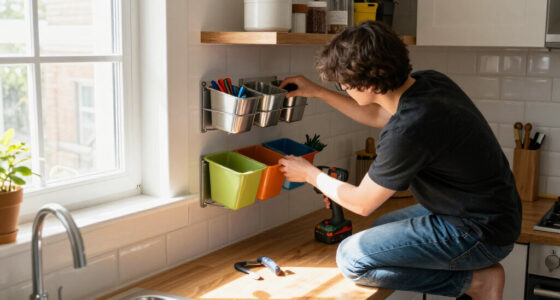
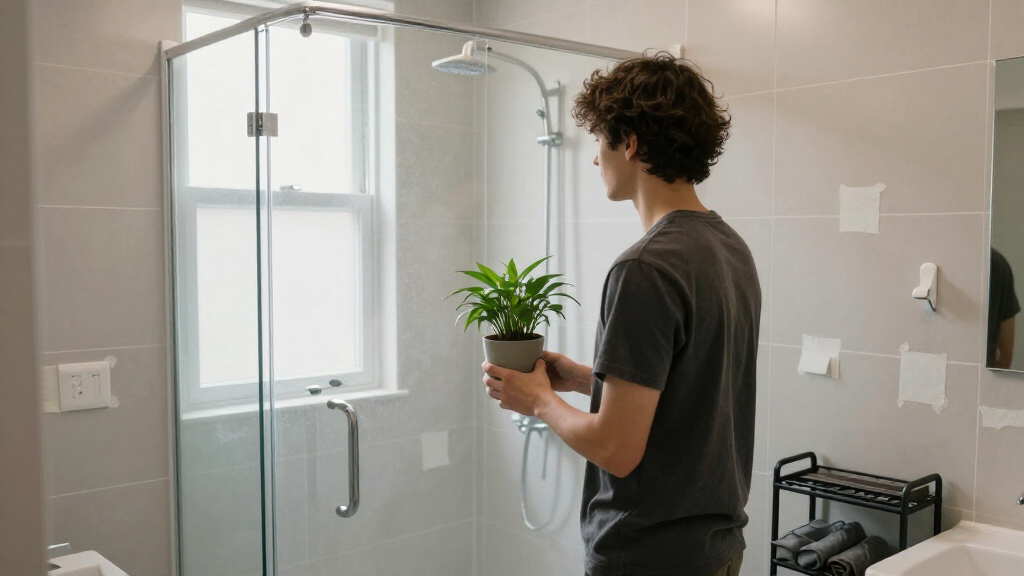
The trend centers around bathroom upgrades that can be easily removed or reversed without damaging existing fixtures or walls. These modifications often include peel-and-stick tiles, removable wallpaper, temporary storage solutions, and non-permanent fixtures. According to interior design sources, these methods allow tenants to personalize their spaces without violating lease agreements or risking financial penalties upon move-out.
Search interest for terms like ‘renter-friendly bathroom remodel’ and ‘temporary bathroom upgrades’ has spiked over the past few months, suggesting growing consumer curiosity. Industry analysts note that this reflects broader housing market pressures, including rising rental costs and increased mobility among tenants, who seek affordable ways to improve their living spaces without long-term commitments.
While the trend appears promising, specific details about the most popular methods, the scale of adoption, and landlord attitudes remain unconfirmed. No major industry or regulatory body has officially endorsed or regulated these approaches, and some landlords still prefer traditional, permanent upgrades.
Implications for Rental Market and Home Improvement
This trend could significantly impact the rental housing market by enabling tenants to upgrade their bathrooms without risking lease violations or damage deposits. Landlords may see increased tenant satisfaction and retention, while tenants benefit from affordable, customizable improvements. If widely adopted, this could shift expectations around rental property modifications, encouraging more flexible and temporary renovation options. However, the lack of formal guidelines or widespread acceptance means the full impact remains uncertain, and some landlords may resist these changes.removable bathroom peel and stick tiles
As an affiliate, we earn on qualifying purchases.
As an affiliate, we earn on qualifying purchases.
Growing Interest in Temporary and Reversible Home Upgrades
Over recent years, there has been a surge in searches related to renter-friendly home improvements, particularly in the bathroom and kitchen sectors. The trend appears to be fueled by increasing mobility in the rental market, rising housing costs, and a desire for personalization without long-term investment. While no official data confirms widespread implementation, the pattern of search interest suggests a shift toward more flexible renovation solutions. Industry observers note that this aligns with broader consumer preferences for temporary, non-invasive upgrades, especially among younger renters and urban dwellers.As an affiliate, we earn on qualifying purchases.
Unconfirmed Adoption Rates and Landlord Acceptance
Details about how widely these renter-friendly bathroom modifications are being adopted remain unclear. No comprehensive studies or official surveys have been published. It is also uncertain how landlords are responding to these trends, with some possibly resisting non-permanent changes. The long-term impact on rental agreements and property values is yet to be determined, and industry consensus has not been established.
renter-friendly bathroom storage solutions
As an affiliate, we earn on qualifying purchases.
As an affiliate, we earn on qualifying purchases.
Monitoring Industry Responses and Potential Guidelines
Further research and surveys are needed to gauge the actual adoption rate among tenants and landlord acceptance. Industry groups and housing authorities may consider developing guidelines or best practices for temporary upgrades. As interest continues to grow, more detailed case studies and pilot programs could emerge, clarifying what methods are most effective and acceptable. Meanwhile, consumers and landlords will likely observe evolving norms around renter-friendly renovations in the coming months.
As an affiliate, we earn on qualifying purchases.
Key Questions
What are common renter-friendly bathroom upgrade methods?
Popular methods include peel-and-stick tiles, removable wallpaper, temporary storage solutions, and non-permanent fixtures that can be easily removed without damage.
Are landlords generally supportive of these temporary upgrades?
Support varies; some landlords may resist non-permanent changes, while others see it as a way to retain tenants. Official attitudes are still unclear, and policies differ widely.
Can these upgrades increase the value of a rental property?
Generally, temporary upgrades do not directly increase property value, but they can improve tenant satisfaction and retention, potentially benefiting landlords indirectly.
Is there any regulation governing renter-friendly bathroom renovations?
Currently, no specific regulations govern these temporary modifications. Landlords’ policies and lease agreements typically determine what is permissible.
When might we see more formal guidelines or industry standards?
As interest grows and more case studies emerge, industry groups and housing authorities may develop guidelines within the next year or so, clarifying best practices for renter-friendly upgrades.
Source: rss
Fall Picks
fall essentials
As an affiliate, we earn on qualifying purchases.