
A bigger solar input can truly shift your decision by boosting energy output and saving you money in the long run. When you invest in a system with higher solar capacity, you’re less dependent on the grid and can maximize your savings. It also guarantees you get the most out of limited space or improve system performance. Want to discover how maximizing solar input can make your choice smarter? Keep exploring to see how this impacts your solar journey.

Get backup power and energy gear delivered free with Prime
- Fast, free delivery on millions of items
- Prime Video, Amazon Music and more included
- Member-only deals all year
Key Takeaways
- Larger solar input increases energy output, making the system more cost-effective over its lifespan.
- Bigger systems reduce reliance on the grid, enhancing energy independence and long-term savings.
- High solar input can justify higher initial costs through greater long-term financial benefits.
- Increased solar input allows for future system expansion, like adding batteries or extra panels.
- The decision to buy depends on balancing upfront investment with maximizing energy production and savings.
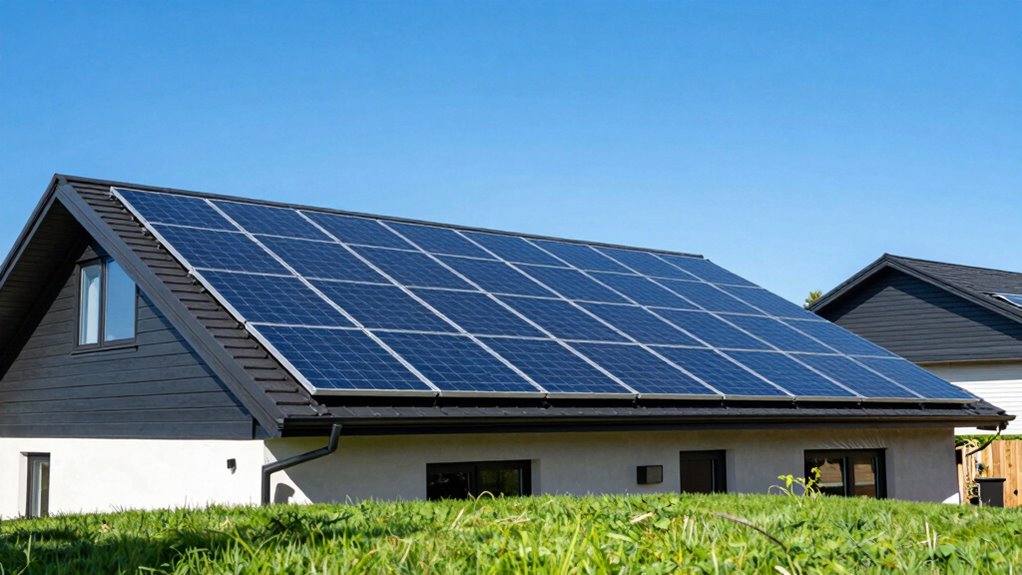
Have you noticed how solar power is becoming a major force in our energy landscape? It’s no longer just a niche option; it’s transforming how people think about energy consumption and savings. When you’re considering investing in solar, a few key factors can influence your decision, and one of the most essential is big solar input. This refers to the overall capacity of the solar system, which directly impacts your energy output and, ultimately, your savings. The more solar input your system can harness, the more energy you generate, reducing your reliance on the grid and lowering your electricity bills.
But before jumping into a purchase, you need to pay attention to solar panel efficiency. Higher efficiency panels can convert more sunlight into usable power, meaning you get more energy from the same amount of sunlight. If you’re in an area with limited space, high-efficiency panels become even more vital because they maximize output without requiring extra roof space. This can make a big difference in your overall system size and costs. When considering installation, the costs associated with setting up your solar system also matter. While installation costs can vary based on the complexity of your roof and the size of the system, they often represent a substantial upfront investment. However, these costs are steadily decreasing as technology advances and the solar industry scales up. Additionally, understanding the solar industry and its technological advancements can help you make more informed decisions about your investment. Choosing a system with a bigger solar input can seem expensive initially, but it pays off over time. A larger system with higher efficiency panels produces more energy, which translates into greater savings on your electricity bills. You may also be eligible for incentives or tax credits that help offset installation costs, making the investment even more attractive. Moreover, staying informed about technological advancements can ensure you select the most efficient and future-proof system available. As innovation continues, the availability of more efficient panels can significantly impact your system’s performance and longevity. Investing in systems with advanced monitoring options can also help you optimize energy production and maintain your system’s health over time. Additionally, a bigger solar input offers more flexibility for future energy needs, like adding batteries or expanding your system if your energy consumption increases.
A comprehensive understanding of solar system components can further improve your decision-making process, ensuring your investment aligns with your energy goals.
In the end, your decision hinges on balancing installation costs with potential energy output. A system with a higher solar input and efficient panels might require a larger initial investment, but it can profoundly boost your long-term savings and energy independence. By focusing on these factors, you guarantee that your solar investment aligns with your energy goals and budget. So, as you weigh your options, remember that big solar input can truly change the whole buying decision, leading you toward a smarter, more sustainable energy future.
Products Worth Considering

Ring Alarm 8-Piece Kit (2nd Gen) Home Security System

eufy Security 5-Piece Home Alarm Kit

Blueair Blue Pure 211i Max Air Purifier for Large Rooms
As an affiliate, we earn on qualifying purchases.
Frequently Asked Questions
How Does Solar Input Influence Long-Term Energy Savings?
Solar input considerably influences your long-term energy savings by boosting solar panel efficiency, which means you generate more power from your system. With better efficiency, you’ll rely less on grid electricity, lowering costs over time. Additionally, exploring energy storage options allows you to store excess energy for later use, maximizing savings during cloudy days or at night. Overall, higher solar input and smart storage choices make your investment more cost-effective in the long run.
What Are the Initial Costs of Installing Big Solar Systems?
The initial costs of installing big solar systems vary but typically involve a thorough cost analysis, including equipment, permits, and labor. You’ll face installation challenges like roof suitability or space constraints, which can add to expenses. Though upfront costs are significant, factoring in incentives and long-term savings makes it worthwhile. Be prepared for these initial investments, knowing they set the foundation for future energy savings and environmental benefits.
How Reliable Is Solar Energy During Cloudy or Rainy Days?
Solar energy’s reliability during cloudy or rainy days depends on the weather-dependent efficiency of your solar panels. While clouds can reduce solar panel output, durable solar panels are designed to withstand various weather conditions, maintaining performance over time. You might see a decrease in energy production on overcast days, but overall, your system remains dependable. Proper system design and energy storage solutions can help guarantee consistent power supply regardless of weather.
Can Big Solar Input Increase Property Value Significantly?
Like a knight’s shining armor, big solar input can considerably boost your property value. When you install durable solar panels, they enhance your home’s appeal in the property market, making it more attractive to buyers. The durability of your solar panels reassures future owners, increasing your home’s worth. So, investing in high-quality solar technology can turn your property into a sought-after gem, elevating its value substantially.
What Government Incentives Support Large-Scale Solar Installations?
Government incentives like policy support and subsidy programs make large-scale solar installations more affordable. You can access tax credits, grants, and rebates that reduce upfront costs and improve ROI. These incentives encourage investment in solar projects by lowering financial barriers. By taking advantage of such programs, you’re more likely to justify the investment, increasing the overall value and sustainability of your property while supporting renewable energy efforts.
Conclusion
When you see how big solar inputs can influence your buying decision, it’s clear they offer more than just energy—they provide long-term savings and environmental benefits. Sure, initial costs might seem high, but think of it as an investment in your future. By choosing solar, you’re not only powering your home sustainably but also making a smart decision that pays off over time. Don’t let the upfront price hold you back—embrace the change today.