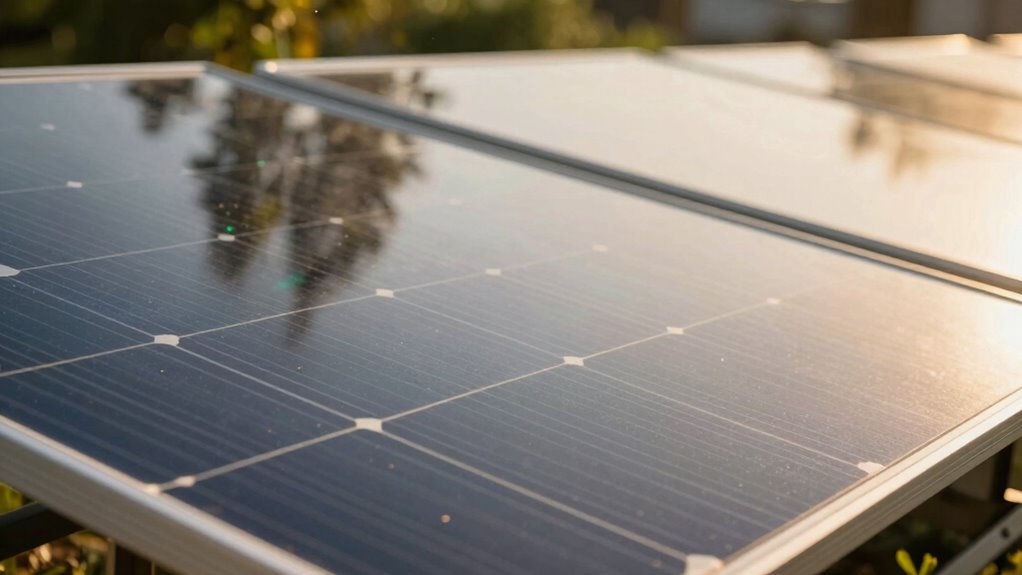
Understanding solar charging losses helps you get the most from your system. Energy is lost through heat, internal resistance in batteries, and shading on panels. Dirt, debris, and poor placement also reduce efficiency. Using good maintenance practices and thoughtful panel positioning can minimize these issues. Batteries with lower internal resistance keep more energy stored. If you keep these factors in mind, you’ll maximize your solar power’s potential and learn more about improving performance.

Get backup power and energy gear delivered free with Prime
- Fast, free delivery on millions of items
- Prime Video, Amazon Music and more included
- Member-only deals all year
Key Takeaways
- Battery inefficiencies cause energy losses, reducing the usable power stored from solar panels.
- Partial shading on panels significantly decreases overall solar output and system efficiency.
- Dirt and debris accumulation on panels lead to energy losses if not cleaned regularly.
- Proper placement and maintenance help minimize shading and dirt-related losses.
- Internal resistance in batteries causes energy dissipation during charging and discharging processes.
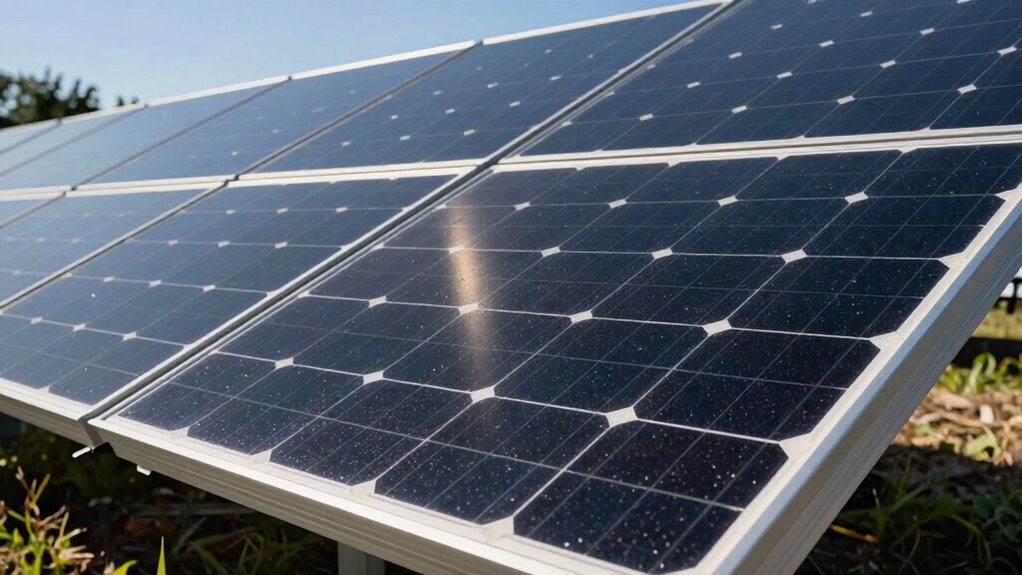
Understanding solar charging losses is essential if you want to maximize the efficiency of your solar energy system. When your solar panels convert sunlight into usable power, not all of that energy makes it to your batteries. Some of it gets lost along the way, reducing the overall amount of stored energy you can access later. One key factor that influences these losses is battery efficiency. Batteries don’t charge perfectly; a portion of the energy you send into them gets lost as heat or due to internal resistance. This means that even if your panels produce a substantial amount of electricity, your batteries might not store all of it, especially if they’re older or not well-maintained. Understanding how battery efficiency impacts your system helps you better estimate your energy capacity and avoid overestimating how much usable power you’ll have.
Another major cause of solar charging losses is shading impacts. Even partial shading on your panels can considerably reduce their output. When sunlight hits shaded areas, the entire panel’s performance drops because most panels are wired in series. This means that the shaded portion acts like a bottleneck, limiting the flow of current through the entire string. As a result, you lose a notable percentage of the energy your system could generate if the panels were fully exposed to sunlight. Knowing how shading impacts your solar charging process is critical. You should position your panels where shading from trees, buildings, or other obstructions is minimized throughout the day. Regularly inspecting for new shading issues, like growing trees or new structures, can help you maintain peak performance. Additionally, understanding cultural artifacts and their significance can inspire creative ways to incorporate decorative elements that don’t interfere with panel placement. Proper maintenance and monitoring are also essential, as they help identify and reduce energy losses caused by dirt or debris. Implementing advanced monitoring systems can help detect subtle inefficiencies and optimize your system’s performance, reducing avoidable energy losses. Being aware of the internal resistance within your batteries can also guide you in choosing the best storage options for your setup, ensuring minimal energy loss during charge and discharge cycles.
Products Worth Considering

eufy Security 5-Piece Home Alarm Kit

Ring Alarm 8-Piece Kit (2nd Gen) Home Security System

TCL 75-Inch QM6K QLED Mini LED 4K HDR Smart Google TV, 144Hz
As an affiliate, we earn on qualifying purchases.
Frequently Asked Questions
How Do Weather Conditions Affect Solar Charging Efficiency?
Weather conditions considerably impact your solar charging efficiency. Cloud cover reduces the sunlight reaching your panels, lowering energy production. Temperature effects also matter; high temperatures can decrease panel efficiency, while cooler weather often boosts performance. You might notice less charge on cloudy days or during extreme heat. To maximize charging, place panels where they get direct sunlight, and be mindful of weather patterns that can influence your system’s output.
What Are Common Signs of Solar Panel Degradation?
You’ll notice signs of solar panel degradation through decreased energy output, often caused by battery aging and reduced inverter efficiency. If your system produces less power over time, it’s a clear indicator. You might also see physical damage like cracks or dirt buildup. Regular inspections help identify these issues early, ensuring your panels stay efficient. Addressing battery aging and inverter problems promptly maintains peak performance and prolongs your solar system’s lifespan.
How Can I Reduce Shading Impacts on My Panels?
Imagine your solar panels as a lush garden, thriving in the sun’s embrace. To reduce shading impacts, you should focus on shading mitigation by trimming nearby trees and avoiding tall structures. Proper panel positioning is key—place your panels where they receive maximum sunlight throughout the day, ideally facing south and tilted at an ideal angle. This way, you guarantee your panels soak up the sun’s energy, maximizing efficiency without interruption.
What Maintenance Is Required to Optimize Solar Charging?
To enhance solar charging, you should regularly inspect and clean your panels to remove dirt and debris. Confirm your battery storage system is functioning correctly and monitor its performance to catch issues early. System monitoring helps you track energy production and identify inefficiencies. Additionally, check connections and inverters periodically for peak operation. Proper maintenance guarantees your solar system runs efficiently, maximizing energy generation and prolonging its lifespan.
Do Different Panel Types Have Varying Loss Rates?
Yes, different panel types have varying loss rates due to differences in panel efficiency. Monocrystalline panels generally have higher efficiency and lower losses compared to polycrystalline or thin-film panels. When comparing loss rates, look at each panel’s efficiency rating, as higher efficiency panels lose less energy during conversion. This means you’ll get more power output for the same sunlight exposure, making the loss comparison essential for peak solar system performance.
Conclusion
Now that you understand the common causes of solar charging losses, imagine how fine-tuning your setup could reveal hidden energy. Picture your panels soaking up the sun more efficiently, your batteries filling faster, and your system operating at peak performance. But the real question remains—are you ready to take that next step? Keep exploring, adjusting, and testing. The power is in your hands, and the full potential of your solar system might be closer than you think.