
TL;DR

Get backup power and energy gear delivered free with Prime
- Fast, free delivery on millions of items
- Prime Video, Amazon Music and more included
- Member-only deals all year
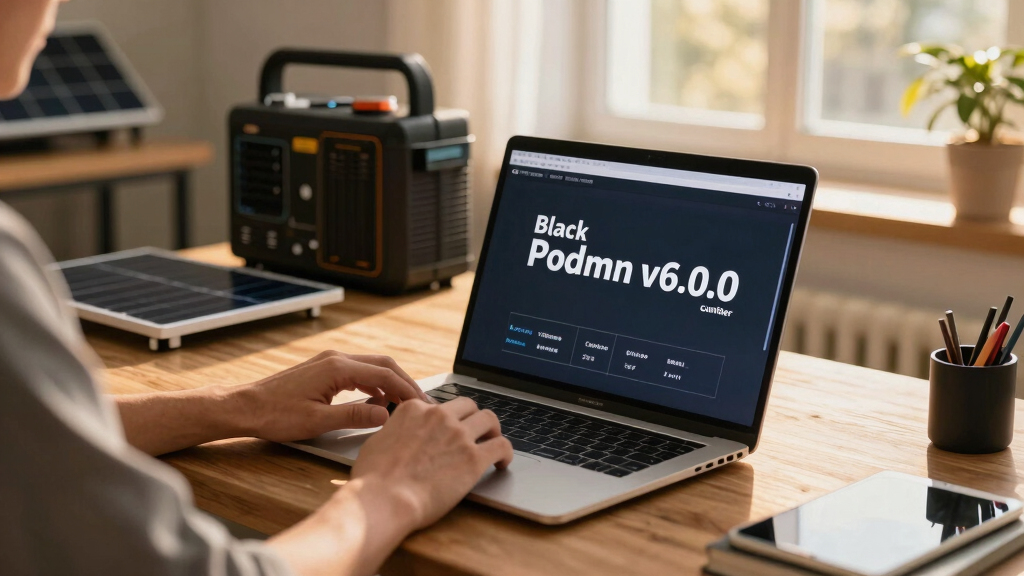
Podman v6.0.0 has been released, offering significant updates including improved performance, new features, and better compatibility. The update aims to enhance container management for developers and sysadmins.
Podman version 6.0.0 has been officially released today, featuring major updates aimed at improving container management, performance, and compatibility. The release is significant for developers and system administrators relying on Podman for container orchestration, as it introduces new features and stability enhancements.
The Podman 6.0.0 release, announced by Red Hat and the open-source community, includes several key improvements. Notably, it introduces a redesigned CLI interface, enhanced support for rootless containers, and performance optimizations that reduce startup times. The update also expands compatibility with Kubernetes, making it easier to integrate Podman-managed containers into larger orchestration environments. According to the official release notes, the new version also improves security features, including better user namespace handling and container image signing. The release was made available today through official repositories and package managers, with detailed documentation provided for users upgrading from previous versions.Impact on Container Management and DevOps Workflows
The release of Podman v6.0.0 is a notable development for the container ecosystem. It enhances the tool’s usability, stability, and security, which are critical for enterprise deployments and development workflows. The improvements in rootless container support and performance can lead to more efficient resource utilization, while expanded Kubernetes compatibility simplifies integration into existing orchestration pipelines. This update positions Podman as a more competitive alternative to Docker, especially for users prioritizing security and compliance. As container adoption grows, such enhancements are vital for maintaining flexibility and security in complex environments, making this release relevant for a broad range of IT professionals.Products Worth Considering

eufy Security 5-Piece Home Alarm Kit

Ring Alarm 8-Piece Kit (2nd Gen) Home Security System

Ring Alarm 14-Piece Wireless Security System
As an affiliate, we earn on qualifying purchases.
Recent Developments and Evolution of Podman
Podman has gained popularity over the past few years as an open-source container engine compatible with Docker but without requiring a daemon process. Its focus on rootless operation and security has driven its adoption in enterprise and developer communities. Prior to v6.0.0, the latest major release, v5.0.0, introduced initial Kubernetes support and improved image handling. The development of Podman has been closely aligned with the broader container ecosystem, including contributions from Red Hat and the Open Container Initiative. The new version continues this trajectory by emphasizing performance, security, and integration, reflecting ongoing industry demands for more secure and efficient container tools.“The performance enhancements in v6.0.0 will help developers reduce startup times and improve overall efficiency.”
— Open Source Community Contributor
Remaining Questions About Compatibility and Future Updates
It is not yet clear how the new features will perform in large-scale production environments or how quickly third-party tools will adopt the updated version. Details on long-term support and backward compatibility with older container images are still emerging, and user feedback on stability is awaited as users begin upgrading.Next Steps for Users and the Podman Development Roadmap
Users are encouraged to review the official upgrade guides and test the new version in staging environments. The Podman team has indicated plans for subsequent updates, focusing on further performance tuning and security features. Monitoring community feedback and engagement will be essential to gauge the impact of v6.0.0 and guide future development priorities.Key Questions
What are the main new features in Podman v6.0.0?
The main features include a redesigned CLI, improved rootless container support, performance optimizations, and expanded Kubernetes compatibility.
Is upgrading to v6.0.0 recommended for all users?
Users should review the release notes and test the new version in non-production environments first. Upgrading is recommended for those seeking improved performance and security.
How does Podman v6.0.0 compare to Docker?
Podman offers similar functionality to Docker but emphasizes rootless operation and security. The v6.0.0 update enhances these aspects and improves compatibility with orchestration tools like Kubernetes.
Are there any known issues or bugs in v6.0.0?
As with any new release, some users may encounter bugs or compatibility issues. The community and developers are actively monitoring feedback to address any problems promptly.
What is the long-term support plan for Podman v6.0.0?
Red Hat and the community plan to provide ongoing updates and security patches. Specific support timelines depend on the distribution and deployment environment.
Source: hn