Off-grid starter kits help you avoid costly mistakes by providing pre-selected, compatible components and clear installation guidance. They streamline your shift to off-grid living, saving time and money while reducing confusion. These kits include essential parts like solar panels, batteries, and management systems designed for your energy needs. By following the setup instructions, you’ll maximize efficiency and guarantee a reliable power supply. Keep exploring to discover how to make the most of your off-grid system.

Get backup power and energy gear delivered free with Prime
- Fast, free delivery on millions of items
- Prime Video, Amazon Music and more included
- Member-only deals all year
Key Takeaways
- Pre-selected, compatible components reduce setup errors and ensure system reliability.
- Clear installation guidance helps maximize solar efficiency and prevent common mounting mistakes.
- Energy management strategies optimize consumption, preventing overspending and underperformance.
- Suitable battery options with proper capacity ensure reliable storage and long-term savings.
- Simplified decision-making streamlines system design, avoiding costly upgrades or replacements later.

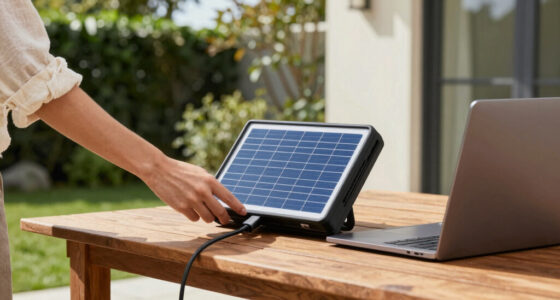
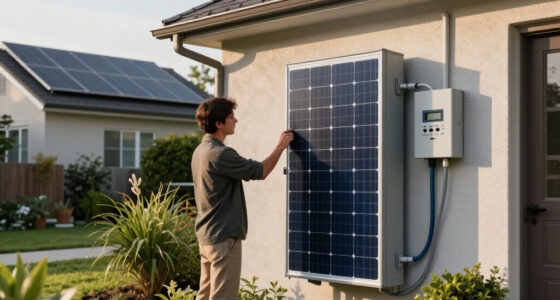
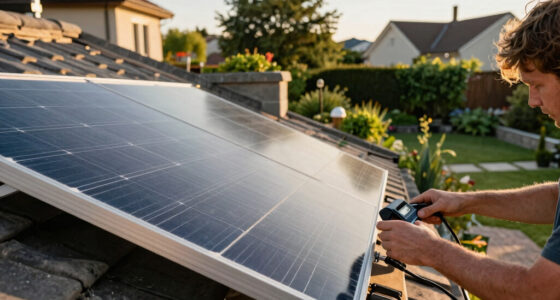
If you’re considering living off the grid, starter kits can make the shift easier by providing the essential tools and equipment you need. These kits are designed to streamline your *changeover*, saving you from costly mistakes and confusion. One of the most *significant* components of any off-grid setup is the solar panel installation. A good starter kit offers you a straightforward way to set up solar panels that generate clean, renewable energy. Instead of spending hours researching the best panels or guessing which mounting systems work best, you get pre-selected components that are compatible and reliable. Proper solar panel installation is *essential* because it directly impacts your energy efficiency and long-term savings. With the right kit, you can avoid common pitfalls like improper tilt angles, insecure mounting, or choosing panels that don’t suit your energy needs. The kit guides you through the process, helping you maximize sunlight exposure and energy output without unnecessary guesswork. Additionally, understanding solar panel efficiency can help you select the most effective system for your specific location, ensuring optimal performance. Incorporating energy management strategies into your setup can further enhance your off-grid power system and reduce waste. Exploring energy conservation techniques is also vital for maximizing the utility of your power system and minimizing overall energy consumption. Including guidance on system monitoring can help you track your energy production and consumption, making adjustments easier over time. Battery storage options are another *key* part of off-grid living, and starter kits usually include or recommend suitable solutions. Having reliable battery storage allows you to store excess solar energy during sunny days so you can tap into it during cloudy weather or at night. This flexibility ensures a steady power supply, reducing reliance on backup generators or other costly energy sources. When you choose a starter kit, you get a clear overview of different battery storage options—whether lithium-ion or lead-acid—so you can select the best type for your budget and energy demands. The kit simplifies the complex decision-making process, providing guidance on capacity, lifespan, and safety features. This helps prevent overspending on oversized batteries or underestimating your energy needs, which could lead to frequent power shortages or additional expenses down the line.
Products Worth Considering

Dyson Airwrap i.d. Multi-Styler for Straight and Wavy Hair

Dyson Airsmooth Styling Brush

eufy C28 Robot Vacuum Cleaner and Mop with HydroJet Roller, 15,000 Pa Suction
As an affiliate, we earn on qualifying purchases.
Frequently Asked Questions
How Long Do Off-Grid Starter Kits Typically Last?
Off-grid starter kits typically last several years, with battery lifespan being a key factor. Most batteries can last 3 to 7 years with proper maintenance, while solar panel durability often extends 25 to 30 years. You should regularly check and maintain your system to maximize lifespan. Investing in quality components guarantees your off-grid setup remains reliable, so you can enjoy energy independence longer without unexpected replacements.
Are Off-Grid Starter Kits Suitable for All Climates?
Off-grid starter kits aren’t suitable for all climates. You need to take into account climate adaptability and weather resilience before choosing one. Some kits are designed for mild or temperate environments, but extreme cold, heat, or humidity can impact their performance and longevity. Make sure the kit you select matches your local climate conditions. Otherwise, you risk equipment failure or reduced efficiency, which could lead to costly repairs or replacements down the line.
Can These Kits Be Expanded as Energy Needs Grow?
Yes, these kits can be expanded as your energy needs grow. You can add more renewable options like solar panels or wind turbines, and increase battery capacity to store extra power. This flexibility allows you to adapt your off-grid system over time, ensuring it keeps up with your demands. By planning for expansion, you make your setup more sustainable and reliable, avoiding costly upgrades later.
What Maintenance Is Required for Off-Grid Starter Kits?
You’ll need to perform regular maintenance on your off-grid starter kit to guarantee peak performance. Check your batteries’ lifespan and clean terminals to prevent corrosion, typically every few months. Maintaining a consistent maintenance frequency helps extend battery life and keeps the system running smoothly. Additionally, monitor your inverter and charge controller to catch issues early, ensuring your off-grid setup remains dependable and efficient for years to come.
Are There Any Government Incentives for Off-Grid Setups?
You’ll be amazed at how much you can save with government grants and tax incentives for off-grid setups! Many regions offer financial perks to encourage sustainable living, sometimes covering significant parts of your initial investment. These incentives can make your off-grid dream more affordable and accessible. Check local programs and federal initiatives—some grants and tax breaks are tailored specifically for renewable energy and off-grid projects, making your shift smoother and more budget-friendly.
Conclusion
By choosing an off-grid starter kit, you’re setting yourself up for smooth sailing and avoiding costly pitfalls. These kits act like a safety net, guiding you through the basics while giving you confidence to go it alone. Think of them as your trusty compass, helping you navigate uncharted waters and steer clear of trouble. With a solid start, you’ll be well on your way, turning a new chapter into a rewarding adventure.